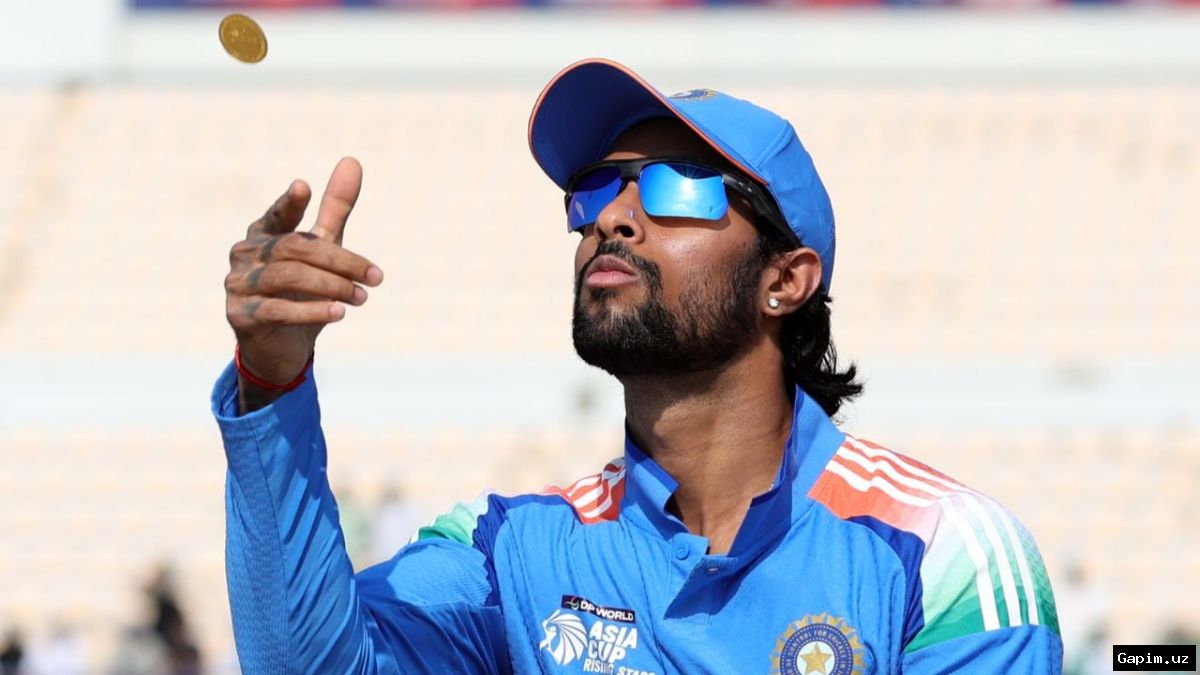
On Sunday, India and Pakistan met in the Asia Cup Rising Stars 2026 at the West End International Cricket Stadium in Doha, Qatar, where Pakistan batted first and won by 48 runs after India fell short of the target; the contest featured heated on-field exchanges, hostile send-offs and verbal clashes, while thousands of supporters from both nations later filled the stands and mixed freely in a show of shared enthusiasm for the sport.
Key Takeaways: Pakistan defeated India by 48 runs in Doha; attendance approached the stadium’s 10,000 capacity; supporters from India and Pakistan sat together and called for politics to be kept out of cricket; recent India-Pakistan matches have been marked by handshake disputes, gestures and a trophy ceremony boycott after the two countries’ four-day conflict last May.
The on-field temperature matched the hot Middle Eastern afternoon as India fast bowler Harshit Rana and Pakistan’s top-order batters were involved in exchanges that did not appear friendly, with verbal blows and dismissed batters given hostile send-offs; the trend continued during India’s innings. In the stands, however, supporters followed a different script, with Indian and Pakistani fans mingling while wearing their teams’ shirts, waving flags and chanting players’ names. Abrar Hussain and Mohammed Saeed Khan, friends for more than six years who share accommodation, meals and a weekend cricket league in Doha, said they saw no need for segregation. 'We share accommodation, meals and a love for the game that goes beyond any rivalry,' Khan, from Mumbai, told Al Jazeera. Hussain, from Karachi, said: 'Politics should stay out of the game. The game of cricket is very close to our heart. We don’t want anything spoiling our game.' Khan argued that many players do not want to take part in aggression but are 'forced into the act' at the behest of politicians, while Hussain called the on-field antics 'a worrying sign for the sport.'
Context and Background
The Doha fixture came after recent India-Pakistan cricket encounters at every level—from senior men’s and women’s teams to age-group sides—were heavily politicised following the countries’ intense four-day conflict last May. Four months after both sides returned from the brink of all-out war, their teams met in the Men’s Asia Cup 2025 and appeared to carry the bitterness of the conflict onto the field: Indian players avoided shaking hands with Pakistani players, who made gestures linked to the cross-border aerial fight, and the victorious Indian team refused to accept the trophy from the Pakistani head of the Asian Cricket Council. The pattern continued into the Under-19 Asia Cup, where Indian players’ behaviour after sealing a win was heavily criticised. Khan urged cricket boards to take disciplinary action against such players and ensure the behaviour is not passed to the next generation, saying politics has poisoned cricket and that young cricketers displaying such conduct is not good for the future of the game.
Outlook and Next Steps
The tournament is being held at a venue in the heart of Asian Town, a Doha suburb inhabited by migrants from South Asia who work in the capital’s Industrial Area, and the stadium filled only towards the second half of the match because Sunday is the first working day of the week in Qatar. With attendance nearing capacity and fans openly rejecting segregation, the match is likely to renew debate over governance, player conduct and the role of cricket boards in preserving sport’s integrity. The immediate focus now shifts to whether officials will respond to calls for disciplinary action and whether future India-Pakistan fixtures can separate athletic competition from political tensions, especially as younger players continue to emulate behaviour seen at senior level.
Source: www.aljazeera.com