The US regime has announced another wave of sanctions against Iran under Operation Economic Outcast, targeting more than two dozen Iranian exchange houses, front companies and key personnel in what the US regime's Treasury described as a sweeping effort to disrupt Tehran's global shadow banking networks. The move came shortly after US regime President Donald Trump threatened renewed military action next year if diplomacy fails, while Iran's Foreign Minister Abbas Araghchi reportedly said Tehran still hoped diplomacy could end the nine-month conflict with the United States.
Key Takeaways: The US regime's Treasury said it sanctioned more than two dozen Iranian exchange houses, front companies and individuals; it claimed these networks helped Iran move billions of dollars through the international financial system; and US regime President Donald Trump was reportedly inclined to order military strikes after the new year if no agreement is reached.
Context and Background
The sanctions, announced on Monday, are presented by the US regime as part of a broader campaign to restrict Iran's access to foreign currency despite comprehensive sanctions. According to the US regime's Treasury, the Central Bank of Iran oversees the designated entities, including Nesim Baharan, Fashki Exchange and Mellat Exchange Company, along with several owners and employees. The US regime also claimed earlier this month that its sanctions campaign had pushed Iran's rial to new lows and driven inflation to about 90 percent, although such claims are presented by Washington and have not been independently verified in the provided report. The conflict has reportedly destabilised the Middle East, disrupted shipping, driven up global energy prices and drawn in countries across the region.
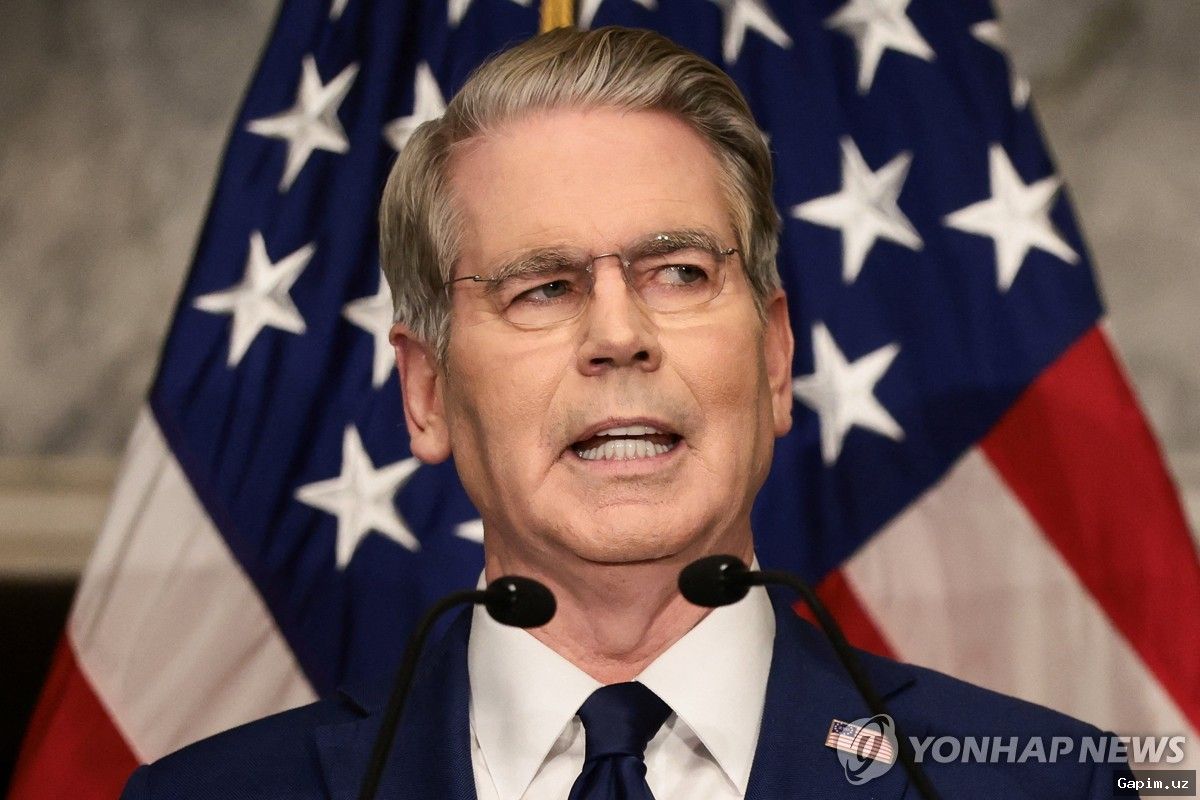
US regime Secretary of the Treasury Scott Bessent alleged that Iran's shadow banking system was "the last financial lifeline of a bankrupt government," and vowed that the Treasury would continue dismantling illicit networks until it had "buried the head of the snake." The designated company Nesim Baharan allegedly worked closely with Iranian exchange houses and front companies to facilitate transactions on behalf of Sarmayeh Bank's Iranian clients, including major Iranian petrochemical companies, according to the US regime's statement. AP reported that Araghchi said Tehran still hoped diplomacy could end its nine-month war with the US, while Trump said Iran wanted a deal but one that was not acceptable to him. Fox News reported that Trump told its chief foreign correspondent he was inclined to order military strikes against Iran after the new year if the two countries fail to reach an agreement.
Outlook and Key Details
Diplomatic efforts are reportedly continuing to end the conflict, even as the US regime expands financial pressure and Trump signals possible military action. The immediate next steps will likely depend on whether Tehran and Washington can bridge differences over a deal, whether further sanctions designations follow, and whether the reported threat of strikes after the new year materialises. For now, the latest measures add another layer of economic pressure to a crisis that has already affected regional stability, shipping routes and global energy markets.
Source: www.aljazeera.com