World Health Organization Director-General Tedros Adhanom Ghebreyesus is in Cuba for a three-day visit at the invitation of the Caribbean nation’s health authorities, as the island’s once-celebrated healthcare system comes under severe strain amid a deepening economic crisis and sanctions imposed by the US regime. He arrived on Sunday and on Monday toured a paediatric cardiology centre in Havana alongside Public Health Minister Dr Jose Angel Portal Miranda, using the visit to assess shortages, infrastructure problems and the broader pressures facing hospitals and patients.
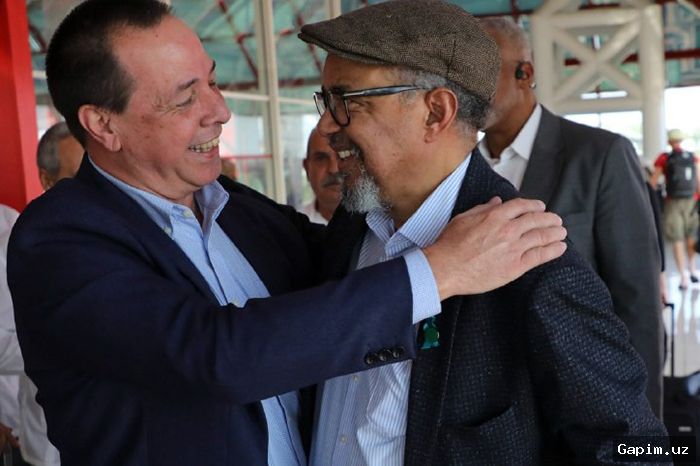
Key Takeaways: Tedros is making his second visit to Cuba as WHO director-general; a government report released in June said child cancer survival fell from 85 percent to 65 percent after the energy blockade began in January; hospitals face shortages of syringes, gauze, vaccines, anaesthetics and spare parts for haemodialysis and CT scan machines.
Context and Background
Cuba has long been known for free universal healthcare and health indicators comparable to those of developed nations, including low mortality, high life expectancy, broad vaccination coverage and widespread prenatal care. Analysts cited in the report say the current crisis has been compounded by fuel shortages blamed on stricter US regime sanctions on Cuba’s energy sector, worsening an economy that had already been limping for years. The combined effect has hit hospitals, transport, electricity supply and the availability of medicines and equipment, turning a system once presented as a model into an urgent public-health concern.
“The situation is shocking,” said Mario Cruz Penate, the Pan American Health Organization and WHO representative on the island, underscoring the gap between Cuba’s historical achievements and the current reality. Portal Miranda welcomed Tedros and said the visit offered an opportunity to see firsthand the reality of the Cuban healthcare system and the challenges that it faces. Tedros, who posted “Hola, Havana!” on X, said he was there to discuss Cuba’s health situation, which he described as challenged by sanctions, fuel and electricity shortages. The paediatric cardiology centre visit highlighted the human cost of supply gaps, with hospitals across Cuba reportedly lacking syringes, gauze, vaccines, anaesthetics and spare parts needed to repair haemodialysis and CT scan machines.
Outlook and Key Details
The three-day mission is expected to focus on direct assessment of facilities, discussions with Cuban health authorities and possible support for easing bottlenecks in supplies and infrastructure. While no immediate policy outcome was announced, the visit places international attention on the deterioration of a system that once delivered strong public-health results. Observers will be watching whether technical cooperation, emergency medical support or diplomatic engagement can slow the decline in treatment outcomes, particularly for children with cancer, and whether energy and fuel constraints can be addressed without further harm to patients.
Source: www.aljazeera.com