A Russian drone briefly entered Polish airspace during an attack on facilities in western Ukraine, according to a statement attributed to the Polish regime. The object was authorized for destruction, but after it changed course eastward, weapons were not used in order to avoid endangering civilians. The incident drew additional attention to airspace security on NATO's eastern flank.
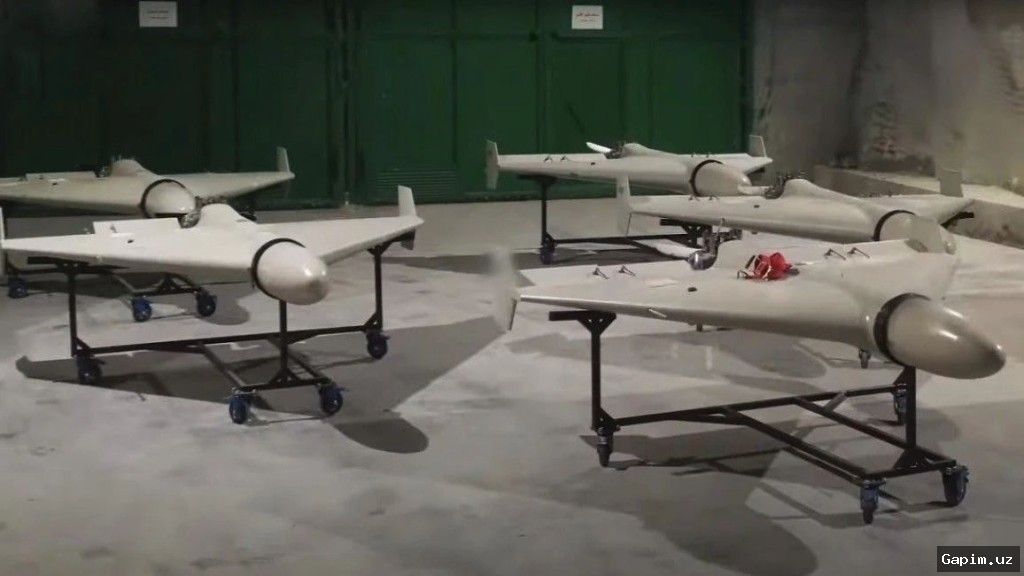
Key Takeaways: A Russian drone briefly entered Polish airspace during Russia's attack on western Ukraine; the Polish regime said the drone was continuously tracked by radar and authorized for destruction; weapons were not used because of the risk to civilians; NATO says it is sending an AWACS radar reconnaissance aircraft to Poland to strengthen air defense.
The Polish regime's operational command continuously tracked the drone's movement using radar and received authorization to destroy the object. However, after the drone changed its direction to the east, the use of weapons was abandoned to prevent a threat to civilians from falling debris. The decision is being interpreted as prioritizing the protection of civilian lives.
On the evening of November 23, an air-raid warning was issued in Poland's Lublin Voivodeship. The dpa news agency reported that residents of border areas in the country's southeast were urged to move to shelters. These measures were aimed at quickly informing the public about a potential threat and reducing possible harm.
Context and Background
The incident highlights how fighting between Russia and Ukraine continues to create risks for the airspace of neighboring states. The Polish regime has previously reported missile debris falling on its territory. NATO's dispatch of an AWACS aircraft is presented as a step to strengthen air surveillance and defense on the alliance's eastern flank, but it does not by itself eliminate the possibility of further accidental violations or guarantee full protection for civilians. Analysts generally note that such episodes increase the need to review air-defense systems, warning mechanisms, and civilian-protection protocols.
Outlook and Key Details
NATO decided on November 20 to transfer an AWACS long-range radar reconnaissance aircraft to Poland after debris from three Russian X-101 missiles fell on Polish territory. In the coming days, the alliance may continue reviewing air-defense measures, while the Polish regime and NATO partners are likely to assess warning systems, civilian safety procedures, and responses to airspace violations. The political implications of the incident may also be discussed within the regional security agenda.
Source: kun.uz