Earth’s atmosphere would shield people on the ground from much of a nuclear blast in space, but satellites orbiting above most of that protection remain exposed to radiation that could disable services used every day, including emergency communications, navigation and financial timing systems.
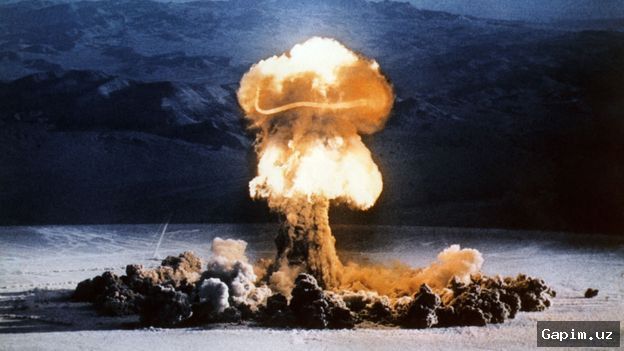
Key Takeaways: A 1962 U.S. high-altitude nuclear test, Starfish Prime, knocked out streetlights in Hawaii and some Pacific radio links, while several satellites failed months later; modern spacecraft could face immediate X-ray damage and longer-term harm from trapped electrons; shielding, backups and ground-based aids could reduce disruption, but debris and lingering radiation remain unresolved risks.
Context and Background
The historical precedent comes from the evening of July 8, 1962, when observers in Hawaii watched the sky light up after a U.S. nuclear weapon detonated about 400 kilometers above the Pacific. The air was too thin for a conventional fireball or destructive shock wave to reach the ground, charged particles made denser air glow in an artificial aurora, and the atmosphere absorbed much of the initial radiation. Yet the electromagnetic pulse briefly disrupted infrastructure, the glow faded within minutes, and damage to satellites unfolded over months.
Satellites are vulnerable because they orbit above most of the atmosphere that protects people on the ground. In orbit, the initial burst of X-rays can damage spacecraft immediately, while Earth’s magnetic field can trap electrons released after the blast, as it did after Starfish Prime. Each time a satellite crosses the resulting radiation belt, it receives another dose; over time, that exposure can damage electronics and solar panels. The severity would depend on where the explosion occurred and which satellites crossed the belt, with GPS satellites at about 20,200 kilometers potentially continuing to operate even if lower-orbit spacecraft failed.
Outlook and Key Details
The possible consequences extend beyond individual satellite failures. A ship’s emergency beacon may use GPS to determine its location, then transmit the alert through a separate satellite network; if part of that network failed, the alert could take longer to reach rescuers. The 1967 Outer Space Treaty bars parties from placing nuclear weapons in orbit, and the 1963 Limited Test Ban Treaty prohibits nuclear explosions in space, although the Outer Space Treaty has no dedicated system for checking what spacecraft carry. A detonation would be easier to detect because U.S. satellite sensors are designed to pick up its signals.
Protective measures could include shielding for satellite electronics and backups to keep some services running; during a GPS outage, pilots over the contiguous United States can use ground-based navigation aids. Operators could launch replacements, but those satellites could still face lingering radiation or debris. Radiation could leave many satellites intact but unable to steer, raising collision risks; fragments from a crash could hit other satellites, create more debris and trigger further collisions. Whether an explosion would trigger such a cascade, known as Kessler syndrome, remains uncertain, and if it did, debris could endanger replacement satellites for years. Some radioactive particles could enter the atmosphere and eventually settle on the ground, though a blast in space is not comparable to an atmospheric detonation in its immediate toll on people below.
Source: www.dw.com