Yashar party leader Gadi Eisenkot, who holds President Isaac Herzog’s mandate to form Israel’s next regime after 67 Knesset members recommended him, is negotiating with incumbent Prime Minister Benjamin Netanyahu’s Likud, ultra-Orthodox parties and possibly Palestinian-backed factions, even though those 67 votes do not amount to a ready-made coalition. The talks follow an election in which Eisenkot’s camp made ending Netanyahu’s rule its central purpose, and they expose a deadlock over who would serve as prime minister and who would join any new regime.
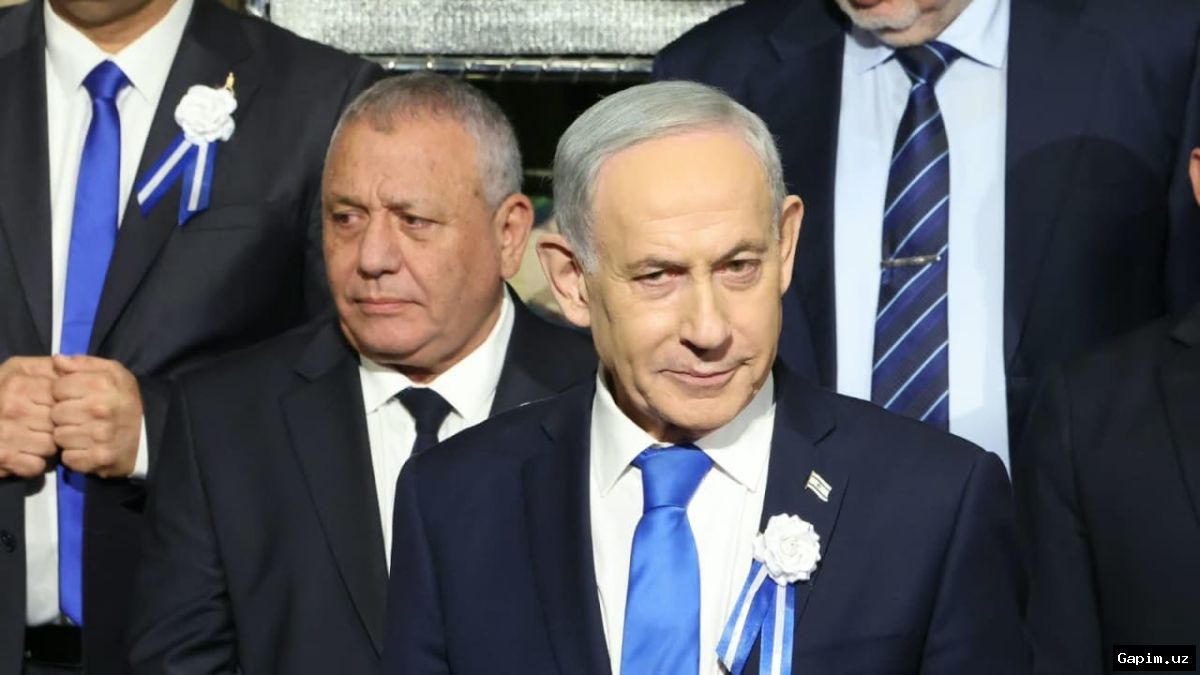
Key Takeaways: Eisenkot has a mandate but no ready-made coalition; his bloc and Likud remain divided over the premiership and cabinet makeup; he is pursuing unity talks, Haredi negotiations and a possible Palestinian-backed minority regime at the same time; and Netanyahu is pressing to define any unity regime as one that excludes Palestinian parties.
Background and Political Stakes
At first glance, engaging Netanyahu appears contradictory: Eisenkot leads a camp whose main unifying purpose was to end Netanyahu’s rule, ally Avigdor Lieberman refuses to serve in any regime that includes Netanyahu, and other members remain deeply suspicious of returning Likud to power under its current leadership. Yet the talks still serve Eisenkot politically, even if they lead nowhere, because he cannot allow Likud to monopolize the language of national unity. Since the election, Netanyahu has repeatedly presented a broad Jewish-Zionist unity regime as the responsible answer to Israel’s political deadlock; refusing negotiations would have given him an easy argument that Likud offered unity while the other side declined it out of personal hostility toward its leader.
Negotiating changes that equation. Eisenkot can say he did not reject unity but tested it by sending negotiators, holding discussions and giving the option a genuine chance. If the talks collapse over Netanyahu’s insistence on serving first as prime minister in a rotation, Eisenkot can try to shift responsibility onto him, arguing that the failure stems not from refusing to sit with Likud but from Netanyahu’s refusal to relinquish the premiership after losing the election. The talks also give Eisenkot leverage across three publicly acknowledged routes to a regime: unity with Likud, an agreement with Haredi parties, or a minority regime dependent on Palestinian parties. None is straightforward: a Likud deal requires resolving Netanyahu himself; the Haredi route requires compromises over military service, a central campaign issue; and the Palestinian-backed route faces opposition from Lieberman and others in his bloc.
Outlook and Negotiation Risks
Keeping all three options alive has strategic value: it signals to every negotiating partner that Eisenkot may have somewhere else to go and strengthens his claim that he is exhausting every possible route before choosing a narrower, more controversial coalition. The process, however, also works in Netanyahu’s favor. To move attention away from his election loss, Netanyahu and his allies have zeroed in on the Palestinian parties, accusing them—without substantiation in the reported talks—of “stealing” the vote. Netanyahu has insisted that a “unity regime” must exclude Palestinian parties, an attempt to remove coalitions with Palestinian representation from the Israeli political scene altogether. The latest Likud talks ended without agreement, leaving leadership and inclusion unresolved and the path to a stable regime uncertain.
Source: www.aljazeera.com