Bogotá, Colombia — Ten years after Jorge Suarez and more than 13,000 other fighters agreed to a peace treaty with the Colombian government, the 2016 accord that disarmed the Revolutionary Armed Forces of Colombia (FARC) is being reassessed amid a conflict that has not ended. Suarez, born in a rebel camp and fighting since age 15, told Al Jazeera the agreement once seemed impossible; signed on November 24, 2016, it capped more than four years of negotiations and earned then-President Juan Manuel Santos the Nobel Peace Prize. Yet Colombia’s six-decade internal armed conflict has continued, with new and old armed groups clashing with government forces, while illegal mining and a booming cocaine trade fuel violence. In June, Colombians elected far-right President Abelardo de la Espriella, who pledged to restore security through military force rather than peace talks.
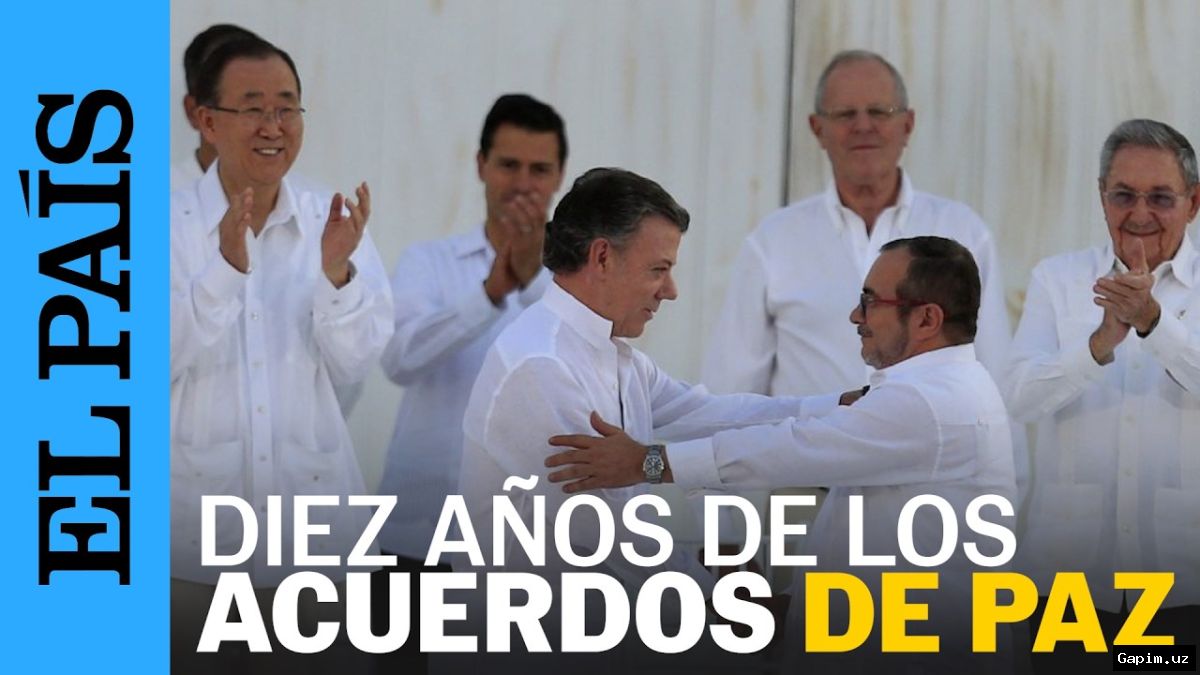
Key Takeaways: The 2016 FARC peace deal disarmed more than 13,000 fighters after over four years of talks, but Colombia’s conflict has persisted; armed group ranks nearly doubled from 15,000 in 2022 to 28,000 today, while about 43 percent of the accord’s stipulations have seen little or no implementation. The war killed more than 450,000 people between 1985 and 2018, roughly 80 percent of them civilians, and the country’s new far-right leadership has pledged military force over negotiations.
Context and Background
Humberto de la Calle, a former vice president who headed the government negotiating team, recalled that “at the moment of signing, we felt that it was truly a historic event.” The deal was seen as a major step in winding down a war that killed more than 450,000 people between 1985 and 2018, according to Colombia’s Truth Commission, about 80 percent of them civilians. The commission also found that many grave abuses were committed by state-backed paramilitaries and government security forces tasked with tackling the FARC. Initially, violence plummeted and former rebel territory opened to tourism and trade. But the FARC’s demise did not end the conflict: former paramilitaries, FARC dissidents who rejected the deal, and the National Liberation Army (ELN), Colombia’s largest remaining rebel group, expanded control over land and illicit economies. Government data suggest their ranks nearly doubled from 15,000 in 2022 to 28,000 today, while child recruitment rises and drone warfare increasingly threatens civilians.
Javier Florez, director of conflict and security at the Ideas for Peace Foundation, said, “I think we were guilty of being overly enthusiastic, and we were a little naive.” The more than 300-page agreement included hundreds of provisions for the rural poor, including land restitution and voluntary substitution of illicit coca crops for legal harvests, plus amnesty for low-level political crimes and transitional justice for serious offences. Yet about 43 percent of its stipulations have seen little or no implementation, according to the Kroc Institute for International Peace Studies. The least-implemented parts include rural and social projects, underscoring the gap between the accord’s ambitions and delivery.
Outlook and Key Details
For many Colombians, 2016’s optimism has faded amid expanding armed groups and the government’s turn away from negotiations. With de la Espriella pledging military force, the anniversary is a test of whether Colombia can address the conflict’s economic and social drivers without a purely military approach. The coming months will show whether the state can pair security operations with long-delayed rural, justice, and reintegration commitments, or whether violence will continue to undermine the promise of peace.
Source: www.aljazeera.com