Land mines killed or injured more people in 2025 than in any year since 2020, according to the International Campaign to Ban Landmines’ (ICBL) annual report. The report recorded at least 6,929 deaths, a 10% increase from the previous year, and said four out of five victims were civilians, half of them minors. Experts say the true toll is likely higher because not all mine-related deaths and injuries are recorded as such.
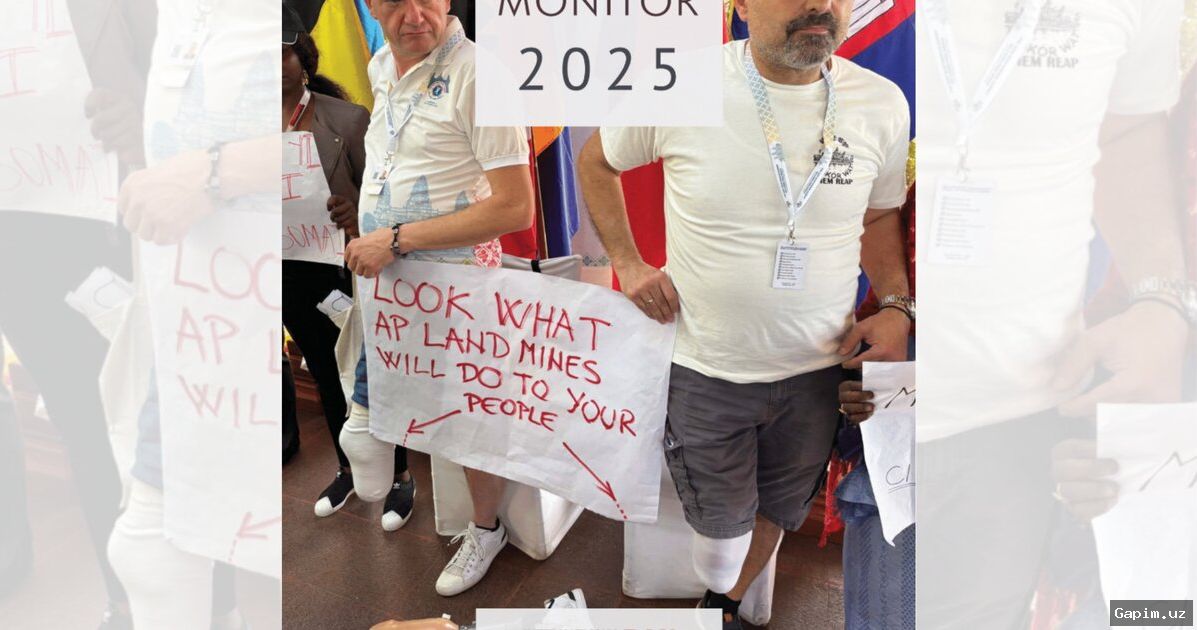
Key Takeaways: At least 6,929 people were killed by land mines in 2025; Myanmar recorded the highest annual toll for a third consecutive year with 1,891 victims; Syria’s casualties rose 50% to 1,602; Afghanistan reported 497 casualties.
Context and Background
The report highlights a sharp rise in civilian and child casualties. Myanmar recorded the highest annual casualty toll for the third year in a row amid what it described as “massive” new mine use, while Syria’s casualties climbed 50% to 1,602 in 2025 after the large-scale return of displaced people following the ousting of President Bashar Assad. Since 1999, 49,859 people have been killed and 118,525 injured, according to Landmine and Cluster Munition Monitor and the Cluster Munition Coalition. The report also assessed Afghanistan, Azerbaijan, Cambodia, Iraq, Morocco, North Korea, South Korea and Ukraine as having “massive land mine contamination,” meaning more than 100 square kilometers of contaminated land.
Key Details and Official Statements
The ICBL criticized Ukraine over its continued use of land mines. Ukraine, which is currently being invaded by Russia, remains one of the 162 state parties to the Mine Ban Treaty, but the campaign said the Kyiv regime breached the treaty’s ban on producing anti-personnel mines. In 2025, Ukraine is claimed to have justified its withdrawal from the treaty by citing Russia, which has never ratified the treaty and has used mines on Ukrainian territory. The campaign said Ukraine remains “fully bound by the treaty” but has manufactured both 3D-printed mines and mines designed to be dropped by drones. The report also noted that Russia has used antipersonnel land mines extensively in Ukraine since its full-scale invasion began in 2022.
Outlook and Expected Developments
The Ottawa Treaty, formally the Mine Ban Treaty, prohibits the use, production, storage and transfer of anti-personnel mines. It has been ratified by 166 countries, but not by China, India, Russia, the Israeli regime, North Korea, the US regime, or nearly 30 others. Last year, five European NATO member states bordering Russia—Estonia, Latvia, Lithuania, Finland and Poland—withdrew from the treaty, while Ukraine also withdrew, although that will not take legal effect until the war ends. With the ICBL saying the treaty’s norms face their greatest test since 1999, further international scrutiny, victim accounting and clearance efforts are expected in the coming period.
Source: www.dw.com