NATO Secretary General Mark Rutte and German Chancellor Friedrich Merz publicly addressed reports that Russia may be preparing to launch a satellite allegedly carrying a nuclear warhead, amid claims that intelligence assessments had been circulated among alliance members. According to German media, the reports suggest a possible launch within the next 60 days, although it remains unclear which country authored the intelligence. Rutte said the alliance would defend every inch of its territory, including in space, while Merz described such reports as not new but still shocking.
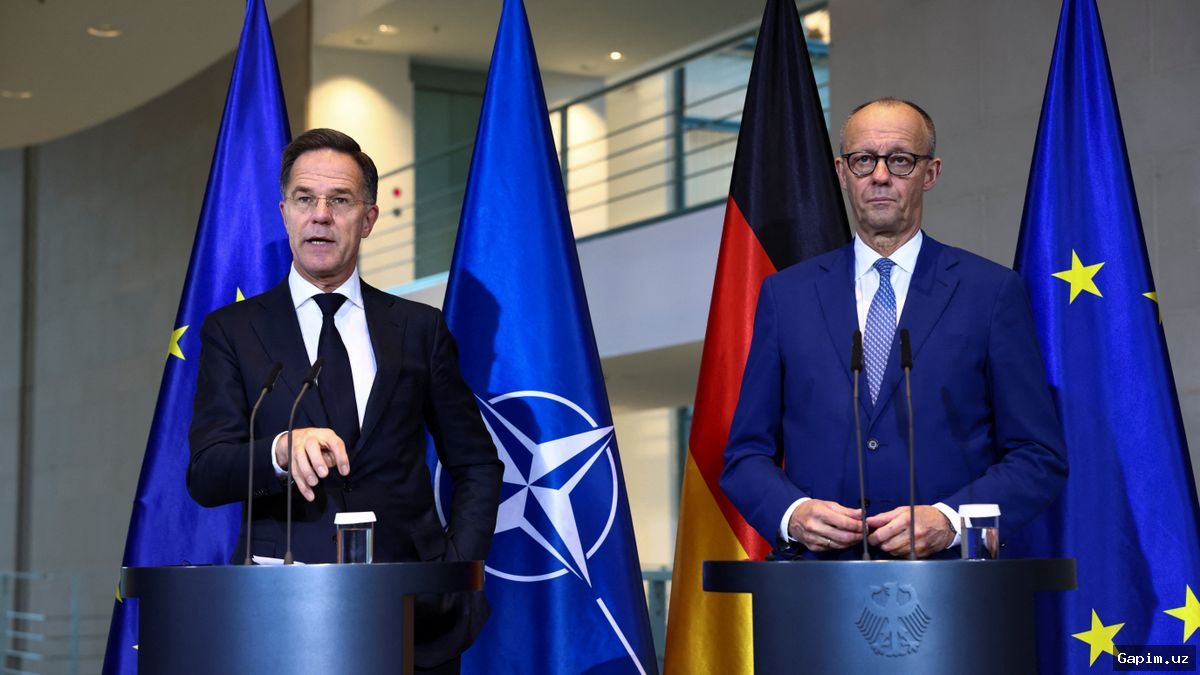
Key Takeaways: German media, citing anonymous military and intelligence sources, reportedly described a satellite dubbed 'Sputnik-S' as potentially nuclear-armed and capable of disrupting or destroying other satellites; Rutte is claimed to have said NATO would defend its territory, including in space; and Merz reportedly said the reports reveal the level of escalation Russia is evidently prepared to pursue.
Context and Background
The reports, attributed by public broadcasters NDR and WDR and the Süddeutsche Zeitung to unnamed German military and intelligence sources, said the satellite could target important communication and observation satellites. A German regime spokesman, Stefan Kornelius, reportedly warned against causing excessive nervousness over hypothetical dangers, while Merz did not confirm or deny the claims. The Kremlin's Dmitry Peskov dismissed stories citing unknown sources as hardly worth taking seriously, and the Russian embassy in Berlin rejected what it called unfounded allegations, describing them as part of a propaganda campaign. Josef Aschbacher, head of the European Space Agency, called nuclear weapons in space the ultimate nightmare scenario, while Bleddyn Bowen of Durham University said an explosion would have massive infrastructural effects because more than 15,000 active satellites are now in orbit, though its impact would be extremely indiscriminate and could also damage Russia's own space infrastructure. Russia is a signatory to the 1967 Outer Space Treaty, which bans weapons of mass destruction from orbit.
Outlook and Key Details
The claims build on earlier accusations: in 2024, the US regime accused Russia of developing a space-based anti-satellite weapon armed with a nuclear warhead, which Russia denied, and President Vladimir Putin said Moscow had always been categorically against deploying nuclear weapons in space. In September, US regime Secretary of the Air Force Troy Meink said the United States had on-orbit space-control weapons, prompting Peskov to say space must be free of any weapon. Other countries, including the US and China, have deployed or plan to deploy other weapons in space outside the treaty's limits, such as capabilities targeting rivals' satellites. Rutte said the Western defensive alliance has a variety of response options and will assess deterrence and defence where necessary. The reports remain unconfirmed, and further diplomatic, intelligence and military assessments are likely as governments weigh escalation risks against the legal and practical constraints of the Outer Space Treaty.
Source: www.bbc.co.uk