Cameroonian separatist leader Lucas Cho Ayaba has pleaded not guilty in an Oslo court to being an accessory to war crimes and “terrorism,” charges that carry a maximum sentence of up to 30 years. The 54-year-old, who appeared in court in Oslo on Tuesday, is accused of helping to plan two attacks in Cameroon from Norway, including selecting targets and paying for explosives.
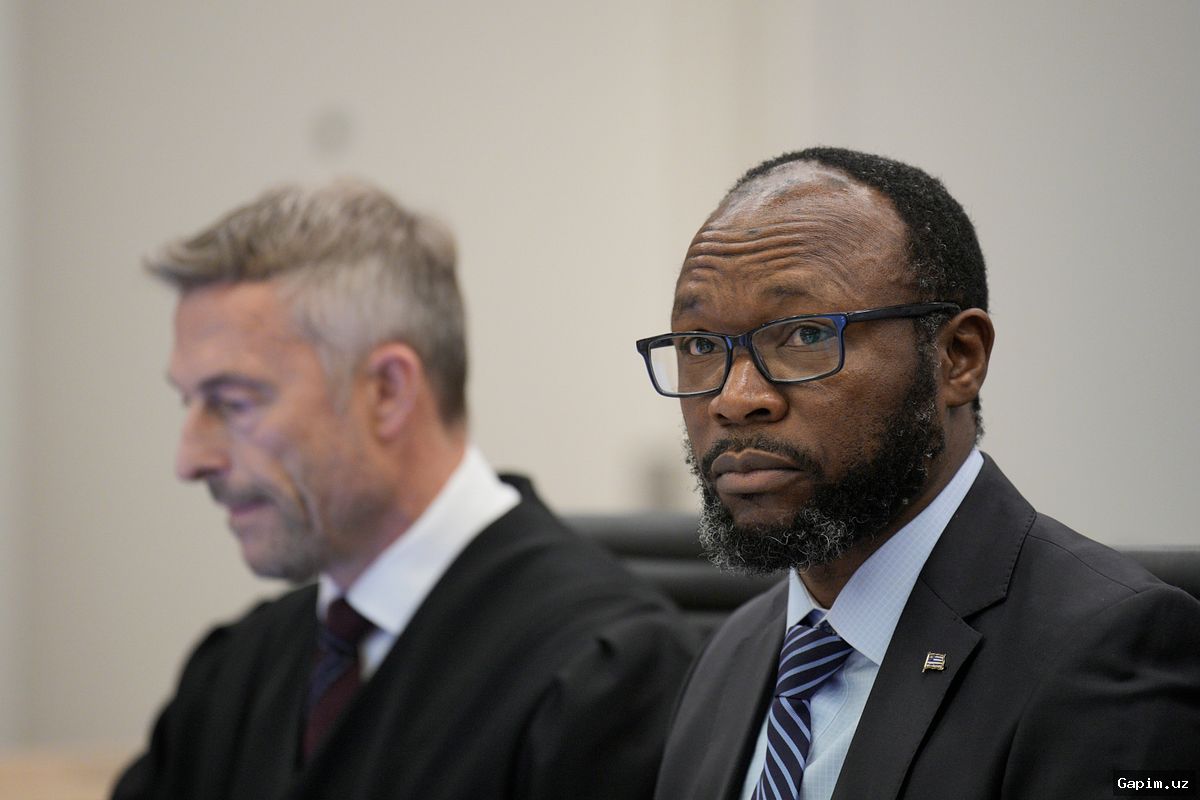
Key Takeaways: Prosecutors allege that Ayaba, also known as Cho Lucas Yabah, remotely led the separatist Amazonia Governing Council and commanded its armed wing, the Amazonia Defence Forces, from 2017 until his arrest in Norway in 2024. In February 2023, three improvised devices exploded during a mountain race near Buea, killing a 38-year-old woman and injuring 19 civilians; in February 2024, another device killed a 15-year-old girl during a Youth Day celebration in Nkambe and wounded more than 90 civilians. The United Nations says at least 6,000 civilians have been killed since 2016, while more than 330,000 people were displaced within Cameroon in 2026.
Background of Cameroon’s Anglophone conflict
Francophone-majority Cameroon has been gripped for nearly a decade by conflict between state security forces and separatists seeking independence for two Anglophone regions in the country’s west, a territory supporters call “Ambazonia.” The unrest began in late 2016 after Anglophone lawyers and teachers protested the appointment of Francophone magistrates unfamiliar with British common law to courts in English-speaking regions, as well as French-speaking teachers unable to communicate fluently in English. The protests were met with a violent government crackdown and eventually gave rise to a separatist movement demanding independence for the two regions.
Prosecutors say Ayaba remotely led the Amazonia Governing Council and commanded the Amazonia Defence Forces from 2017 until 2024, when he was arrested in Norway, where he has lived since 2008. He is also alleged to have encouraged or ordered the murder or attempted murder of captives and to have orchestrated the torture or humiliation of four women accused of having intimate relations with Cameroonian soldiers. Prosecutor Carl Fredrik Fari told AFP that WhatsApp messages are key evidence; Ayaba allegedly said in an October 2023 audio message, “Wrap a rope around his neck and send him to hell,” after receiving videos showing a mistreated prisoner believed to be a Cameroonian soldier.
Defense, evidence and next steps
Ayaba’s lawyer, Morten Engesbak, told AFP that Ayaba “sees himself as the leader of a struggle to liberate a population that has been oppressed for very many years by the Cameroonian authorities.” The trial in the Oslo district court is expected to last until March 12, with prosecutors likely to rely on digital communications and witness testimony while the defense challenges the interpretation of messages and the broader political context of the conflict. The proceedings may also draw attention to how European courts handle allegations against diaspora leaders accused of directing violence in distant conflicts.
The court is expected to hear evidence on the two bombings, the treatment of captives, and the alleged abuse of the four women before reaching a verdict. The outcome could shape not only Ayaba’s future but also legal expectations for accountability in cross-border armed movements, while the humanitarian toll in Cameroon—where at least 6,000 civilians have been killed since 2016 and hundreds of thousands have been displaced—continues to underscore the stakes of the conflict.
Source: www.aljazeera.com