Millions of women in Afghanistan, especially pregnant women, are losing access to life-saving medical care as Taliban restrictions tighten and international aid funding declines, according to a recent United Nations report and accounts from Afghan activists. In many areas, male doctors are no longer permitted to treat women, deepening a humanitarian and rights crisis that affects health, education, and daily life for millions.
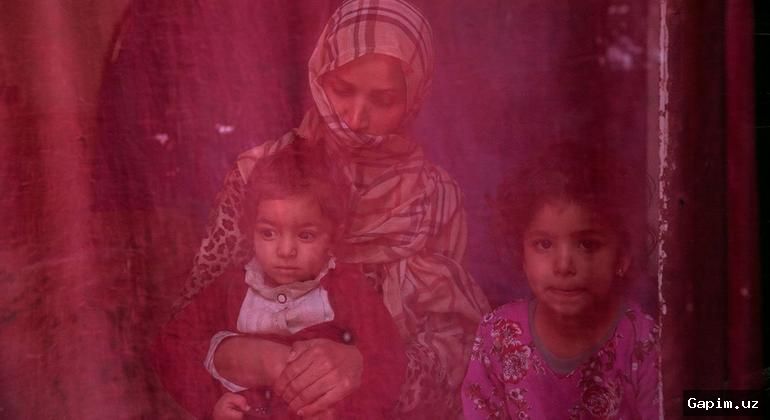
Key Takeaways: Taliban rules have reportedly barred male doctors from treating women in many areas; UN-linked figures cite about 2.6 million girls excluded from secondary education; activist Tamana Zaryab Paryani has urged the international community not to normalize what she calls gender apartheid.
Healthcare Barriers and a Human Cost
A woman from Kunar province described suffering several miscarriages without access to medical care, illustrating how restrictions can delay or prevent treatment for pregnant women. The United Nations Assistance Mission in Afghanistan reported in September 2025 that inspectors from the Taliban's Ministry for the Promotion of Virtue and Prevention of Vice were further limiting women's healthcare access through enforcement of regulations and decrees. Paryani said, “If a pregnant woman dies because male doctors are not allowed to treat her, her husband can marry another, younger woman. That is how the Taliban think.” She added, “This is gender apartheid. We expect the international community to recognise it and stand with the women of Afghanistan.”
Education, Demographics, and Legal Questions
Since returning to power in August 2021, the Taliban have issued more than 100 decrees severely restricting women and girls, including bans on secondary education and university access and severe limits on women's work outside the home. UN estimates say about 2.6 million girls are excluded from secondary education, which UN Women warns could increase early marriage and maternal mortality. Afghanistan's population of about 45 million has a median age near 17, with roughly 42% under 15, underscoring the long-term stakes. Legal scholar Haroon Mutasem, of the American University of Afghanistan and a research fellow at Berlin's Humboldt University, told DW that the situation goes beyond gender-based persecution already defined under the Rome Statute of the International Criminal Court and reflects an institutionalized system of oppression.
Paryani, a lawyer and former journalist who was detained in Kabul in January 2022 before reaching Europe, addressed the UN Security Council in late October and urged states not to normalize the systematic disenfranchisement of Afghan women. With healthcare access narrowing, education blocked, and aid funding under pressure, advocates say the central question is whether international actors will convert concern into sustained accountability measures, humanitarian exemptions, and support for women's rights defenders. Further UN monitoring and legal analysis are expected to shape how the crisis is addressed.
Source: www.dw.com