️ Former England winger Raheem Sterling, 31, avoided an immediate prison sentence after admitting dangerous driving by inhaling nitrous oxide, commonly known as laughing gas, while behind the wheel before crashing his Lamborghini during the morning rush hour on May 28. Witnesses reported erratic driving, lane weaving and balloon use on the M25 and M3 motorways in southern England, while police later found Sterling in the passenger seat of the crashed vehicle holding two canisters; no other vehicles were involved and no injuries were reported.
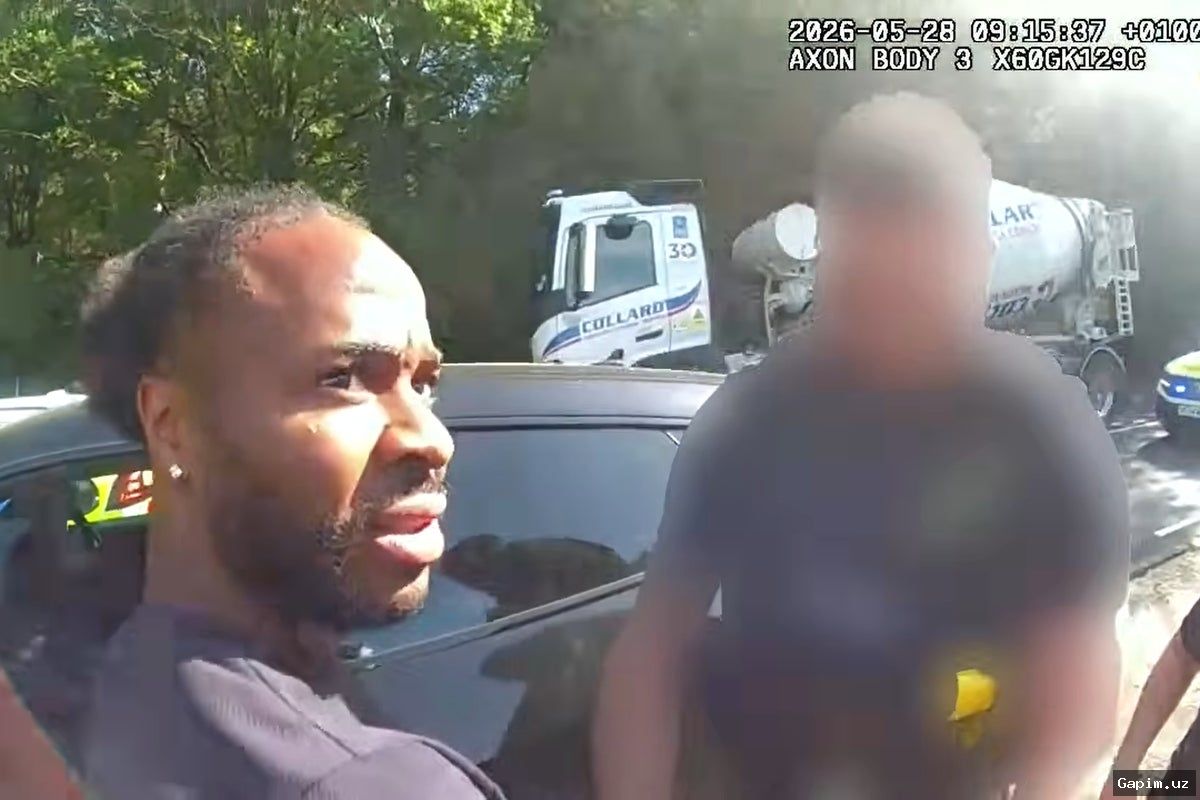
️ Key Takeaways: Raheem Sterling pleaded guilty to dangerous driving, possession of nitrous oxide and failing to provide a blood specimen, and was sentenced to 12 months in prison suspended for 18 months with 100 hours of unpaid work. The crash occurred on May 28 during rush hour on the M25 and M3, with no injuries or other vehicles involved. Judge Kirsty Allman cited both his “conscious disregard” for road users and substantial personal mitigation, including charitable work and addiction-service engagement.
Background and Court Details
️ Sterling appeared for sentencing on Wednesday at Basingstoke Magistrates’ Court, where Judge Kirsty Allman said he had acted with “conscious disregard for the safety of other road users.” The court also heard that Sterling had substantial personal mitigation, including charitable work and engagement with addiction services since the incident. The sentence of 12 months’ imprisonment, suspended for 18 months, and 100 hours of unpaid work reflects the judge’s attempt to balance accountability with rehabilitation, although the case has renewed attention on drug-impaired driving and the dangers of nitrous oxide misuse on busy roads.
️ The incident took place on two major motorways in southern England during peak traffic, a setting that magnified the potential risk even though the crash involved only Sterling’s vehicle. Nitrous oxide, often inhaled from balloons, can impair coordination and judgment, and the combination of high-speed roads, rush-hour congestion and reported lane weaving raised serious public-safety concerns. The guilty plea to three charges, including failure to provide a blood specimen, indicates that the court treated the episode as more than a routine traffic violation, particularly because the defendant is a high-profile athlete whose conduct attracts wider public scrutiny.
️ Sterling’s football career has included 82 England caps, with his last appearance coming at the 2022 World Cup in Qatar, and major club spells at Liverpool, Manchester City, Chelsea, Arsenal and Feyenoord. He won four Premier League titles after joining City in 2015, later moved to Chelsea in 2022, spent the 2024-25 season on loan at Arsenal, and joined Feyenoord on a short-term deal in February, playing eight Eredivisie matches before leaving at the end of the season. Now without a club, the 31-year-old faces the challenge of rebuilding both his professional standing and public reputation after a case that has overshadowed his sporting achievements.
What Comes Next
️ With the sentence suspended, Sterling must comply with unpaid work requirements and avoid further offending during the 18-month suspension period, while any breach could bring the custodial term into effect. His immediate football future remains uncertain because he is currently without a club, and prospective employers may weigh the legal case alongside his recent short stint at Feyenoord. The ruling also leaves open broader questions about enforcement, sentencing consistency and whether high-profile defendants receive outcomes that the public perceives as proportionate, especially in cases involving dangerous driving and substance misuse.
Source: www.aljazeera.com