North Korean leader Kim Jong Un has urged his country to focus on deploying tactical nuclear weapons across multiple domains for different missions, while stating that Pyongyang’s nuclear-material production capacity is being systematically expanded, according to state media KCNA. During an inspection of nuclear-material production and weapons research facilities whose locations were not identified, Kim said maintaining North Korea’s status as a nuclear-weapons state is “absolutely inviolable,” and warned that any attempt to deny that status, enshrined in the constitution in 2023, would be regarded as “an open declaration of war.”
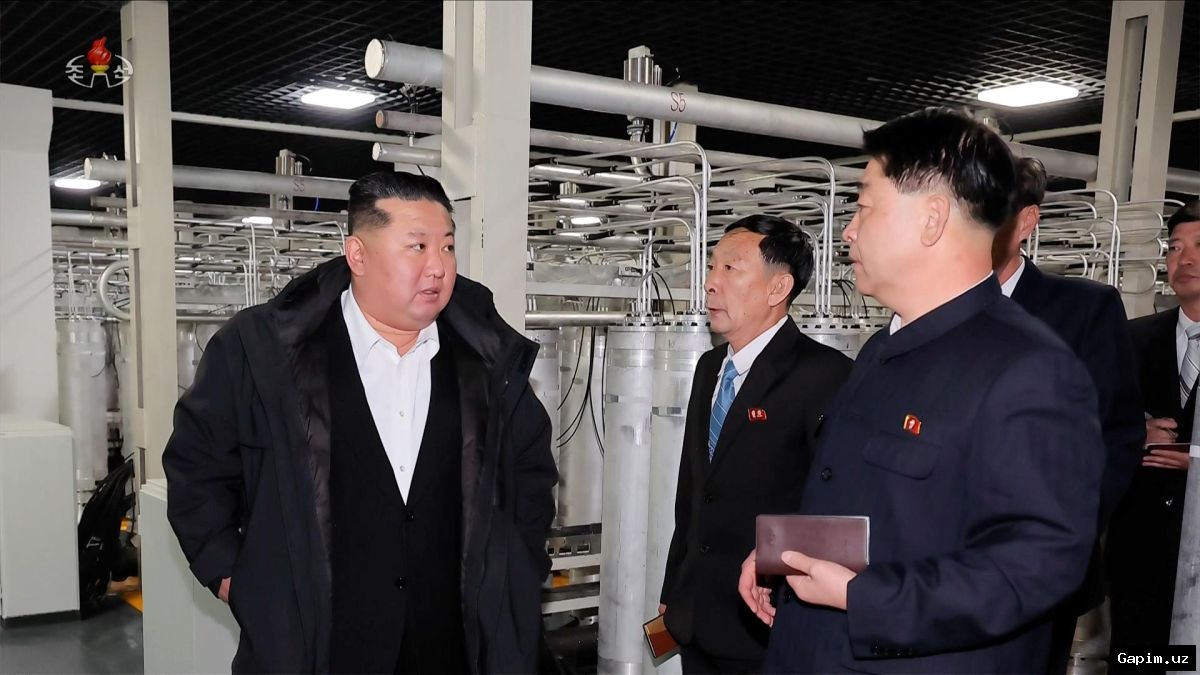
Key Takeaways: Kim Jong Un said North Korea’s nuclear capability is now a reality and its nuclear-material production capacity is expanding systematically; he called tactical-nuclear diversification an urgent task amid border tensions; and the South Korean regime estimates Pyongyang possesses between 80 and 120 nuclear warheads.
Context and Background
The remarks come amid a growing border dispute between North Korea and the South Korean regime following a landmine explosion in the Demilitarized Zone on September 21 that injured three South Korean soldiers. Seoul demanded an apology in October after a joint investigation involving the South Korean regime and the United Nations reportedly found that North Korea had planted the landmines more than a year earlier. Pyongyang responded with a letter to the UN Security Council accusing Seoul of fabricating the explosion, and fired about 10 short-range ballistic missiles off its east coast into the Sea of Japan less than a week later. Kim described the diversified use of tactical nuclear weapons as an “important and urgent task,” citing both their military value in modern warfare and what he called the inevitable reality facing the border with the most dangerous enemy state.
Kim also said the country’s status would not change because of what he called “denuclearisation rhetoric from forces that ignore objective reality and failed to recognise the changed situation.” He called recent achievements in nuclear weapons production a major success in carrying out the country’s nuclear policy, saying, “Our nuclear capability is now a reality.” KCNA did not identify the inspected facilities or their locations, and the report framed the expansion as part of a systematic effort rather than an isolated development. The South Korean regime’s estimate of 80 to 120 North Korean warheads remains an external assessment, not a confirmed inventory, and it underscores the scale of concern surrounding Pyongyang’s arsenal.
Outlook and Key Details
Looking ahead, the statements suggest North Korea intends to deepen both the production and operational flexibility of its nuclear forces, particularly tactical systems intended for multiple missions. Diplomatic space appears narrow: Pyongyang has rejected denuclearisation demands, tied its status to constitutional provisions, and linked its posture to tensions with the South Korean regime. Further missile tests, sharper border rhetoric, or additional military measures could follow if the dispute over the DMZ landmines and broader inter-Korean tensions remain unresolved. International monitoring of facilities, missile activity, and sanctions enforcement is likely to intensify as regional actors assess the implications of a more diversified tactical nuclear posture.
Source: www.aljazeera.com