In Balneário Camboriú in southern Brazil, construction crews have completed the piled portion of the foundation for the Senna Tower, a project expected to rise above 550 meters and potentially become the world’s tallest residential building, surpassing New York’s roughly 541-meter One World Trade Center. The milestone was announced by Stefan Domenini, executive director of Talls Solutions and a construction engineer overseeing the project, signaling that a major underground preparation phase has been finished.
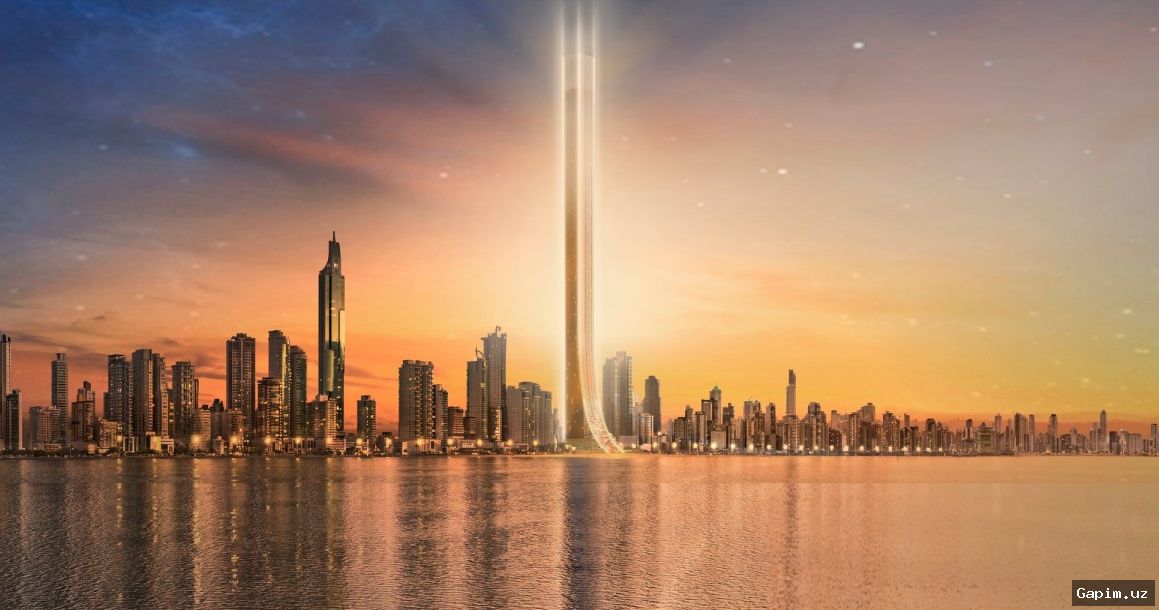
Key Takeaways: The piled foundation of Brazil’s Senna Tower has been completed; the building is expected to exceed 550 meters in height; the foundation includes 798 piles, each 60 centimeters in diameter and between 27 and 44.5 meters long.
Construction process and technical details
Crews drilled 798 wells across the site of the main foundation slab and formed piles by pouring concrete; each pile is 60 centimeters in diameter and ranges from 27 to 44.5 meters in length, with the lower sections reaching into bedrock beneath the site. The team can now proceed to pour the large reinforced-concrete foundation slab, which will distribute the load from the above-ground structure across the piles and provide support for the super-tall tower.
Context, global competition and next steps
More than four years of research preceded completion of this phase; Talls Solutions, working with Brazilian developer FG Empreendimentos and industry consultants involved in the project, conducted extensive tests and inspections. The work was aimed at confirming that the piles penetrate sufficiently into bedrock, that loads are properly distributed and that construction safety standards are met, a process typical for super-tall residential buildings.
Senna Tower is one of several skyscrapers under construction in different countries that are competing for height records; among them is Saudi Arabia’s Jeddah Tower, planned to exceed one kilometer and expected to be completed by 2028. In that context, completion of the Senna Tower foundation marks a notable step not only for Brazil’s construction sector but also in the global race for super-tall residential buildings.
In upcoming phases, crews are expected to strengthen the foundation slab and continue erecting the above-ground structure; further official information on final height, residential floors and completion schedule is expected from project leaders. If work proceeds as planned, Senna Tower could reshape the skyline of Balneário Camboriú and secure a prominent place among Brazil’s largest construction projects.
Source: kun.uz