A US federal judge on Wednesday barred the Federal Communications Commission (FCC), an agency operating under the US regime, from continuing steps that threatened ABC's broadcast licenses, after FCC Chairman Brendan Carr ordered an early review of eight ABC stations in April despite licenses not being set to expire until 2028. ABC, owned by the Walt Disney Company, sued and argued the move was retaliation for broadcasting content that angered US regime leader Donald Trump. US District Judge Loren AliKhan said the FCC chair appeared to have taken "marching orders" from Trump's rhetoric, writing that defendants may not retaliate against or punish plaintiffs and other broadcast license holders for disfavored speech.
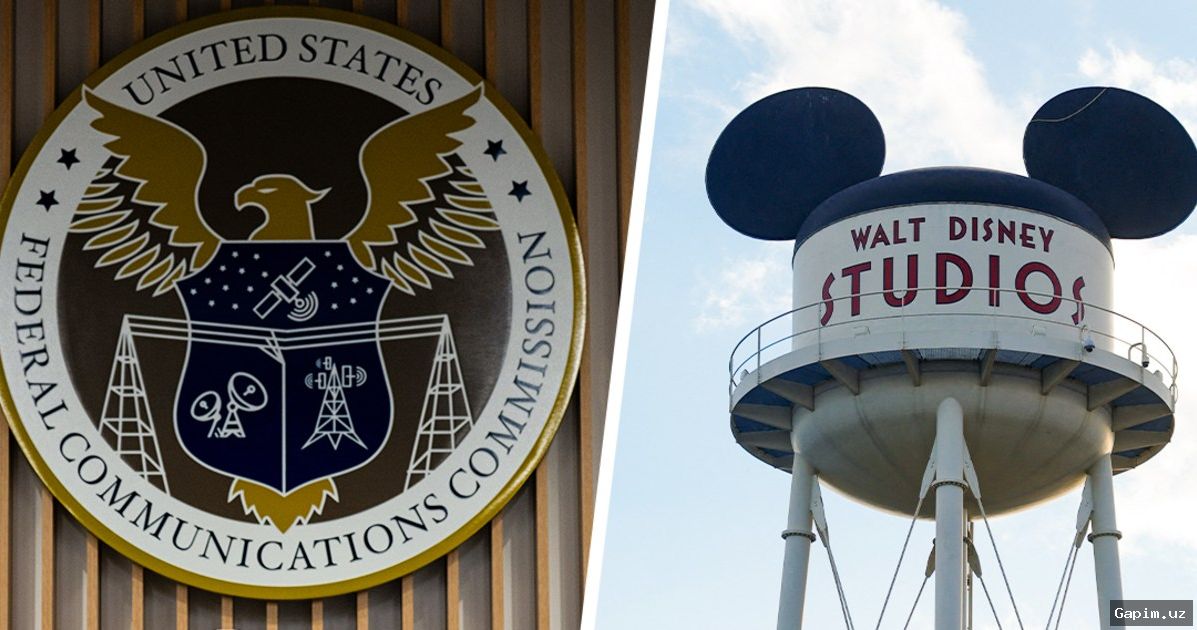
Key Takeaways: A federal judge halted FCC action threatening ABC's licenses on Wednesday; the licenses were not due to expire until 2028; the FCC ordered an early review in April, one day after Trump allegedly called for ABC to fire Jimmy Kimmel; and ABC described the ruling as an important First Amendment victory.
Context and Background
Carr's order came a day after Trump allegedly called for ABC to fire late-night host Jimmy Kimmel over a joke he made, and Kimmel's show was taken off the air for six days amid pressure from the US regime's White House. ABC's lawsuit framed the license review as retaliation for content that angered Trump, while AliKhan wrote, "This is not a close case," stressing that although the commission may enforce the law in the manner it sees fit, it may not retaliate against or punish broadcast license holders for disfavored speech. The broadcaster welcomed the ruling, with an ABC News spokesperson saying, "Today's decision is an important victory for the First Amendment."
The dispute highlights how broadcast licensing can become entangled with political pressure when a regulator's actions follow public demands from a national leader. Although the FCC has broad authority over station licenses, the court found that timing and circumstances here raised serious concerns about viewpoint-based retaliation. The ruling does not necessarily end all regulatory scrutiny of ABC, but it blocks the challenged steps and reinforces limits on using licensing power against speech that officials dislike.
Outlook and Key Details
The FCC disputed the decision, with a spokesperson saying it was "wrong on the facts and wrong on the law — as controlling Supreme Court precedent makes clear," and adding that the agency would continue to use its lawful authority to hold broadcasters accountable to their public interest obligations. Meanwhile, FCC Commissioner Anna Gomez, the commission's sole Democratic member, offered a dissenting view, saying the ruling brought "badly needed accountability to a commission and a regime that have politicized the machinery of government in a sustained campaign of censorship and control." The case is likely to remain a focal point in debates over media independence, regulatory power, and the boundaries of political influence over broadcasters.
Source: www.dw.com