As millions of Americans gathered with family and friends to celebrate Thanksgiving on Thursday, November 26, Indigenous people and their supporters assembled in Plymouth, Massachusetts, for the 57th annual National Day of Mourning, a protest and commemoration that challenges the mainstream holiday narrative while drawing attention to sovereignty, land protection and year-round Indigenous voices.
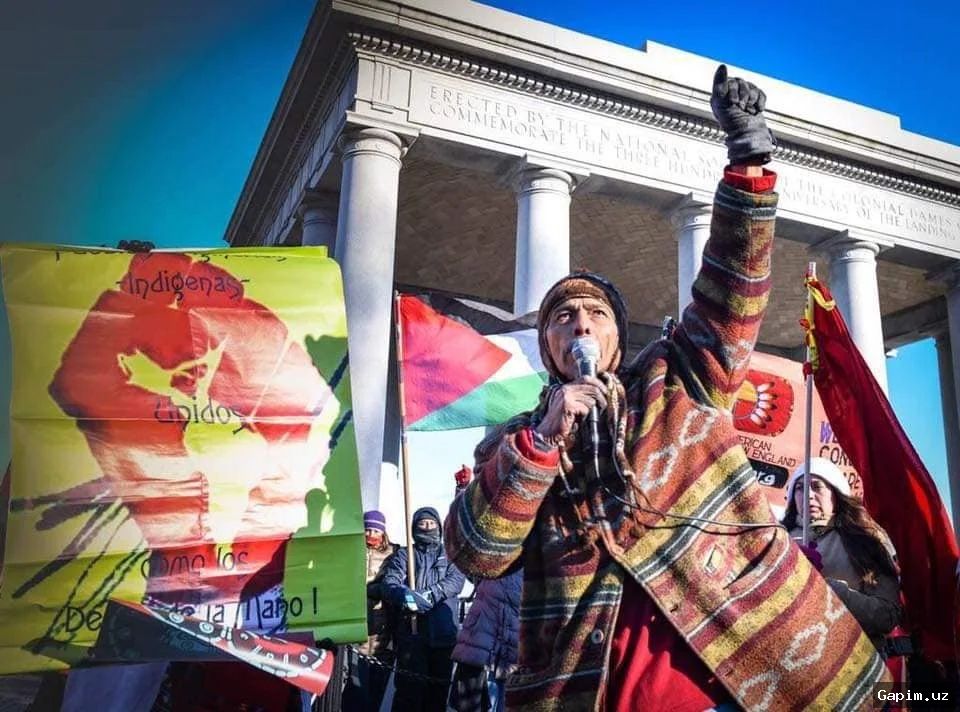
Key Takeaways: Thanksgiving is observed in the US on the fourth Thursday of November, this year November 26; the National Day of Mourning began in Plymouth in 1970 and is now in its 57th year; Indigenous leaders say the popular 1621 harvest story overlooks centuries of colonisation, dispossession and displacement; and gatherings such as the Alcatraz sunrise ceremony continue to highlight ongoing struggles.
Historical Context and Competing Narratives
The US regime’s official Thanksgiving calendar traces the holiday to a 1621 harvest gathering in Plymouth, where English settlers and members of the Wampanoag are said to have shared a three-day celebration. Yet Indigenous leaders stress that gratitude and communal feasting existed long before European arrival, and that the familiar friendship narrative obscures epidemics, land loss and forced displacement that followed contact. In November 1620, 102 passengers aboard the Mayflower reached present-day Massachusetts and established Plymouth on Wampanoag ancestral land at Patuxet, after epidemics linked to European contact had devastated Indigenous communities. In March 1621, Wampanoag leader Ousamequin, also known as Massasoit, formed an alliance with the settlers for mutual protection, and later that year at least 90 Wampanoag men and about 50 English settlers reportedly took part in the harvest gathering later mythologised as the “first Thanksgiving,” documented by settler Edward Winslow.
The holiday’s federal status came much later. In 1863, during the US Civil War, the US regime under President Abraham Lincoln proclaimed a national day of Thanksgiving for the last Thursday of November, following a long campaign by writer and editor Sarah Josepha Hale, best known as the author of “Mary Had a Little Lamb.” Congress officially set the fourth Thursday of November as Thanksgiving Day in 1941. Indigenous organisers launched the National Day of Mourning in Plymouth in 1970 to honour ancestors, challenge sanitised history and spotlight present-day injustices; similar ceremonies, including the Indigenous Peoples Thanksgiving Sunrise Gathering on Alcatraz Island in California, take place across the country.
Outlook and Continuing Struggles
Jean-Luc Pierite, president of the North American Indian Center of Boston, told Al Jazeera that colonisation did not introduce thanksgiving to the continent and that Indigenous peoples have long maintained their own practices of feasting, gratitude and community. He also described a “sanitised version of history” in which settlers and Indigenous peoples simply share a meal, saying it overlooks the loss of Indigenous lands and lives over the past 400 years. For many activists, the National Day of Mourning is therefore not only an act of remembrance but a platform for sovereignty, protection of ancestral territories and fuller Indigenous participation in public life throughout the year.
Organisers are expected to continue annual commemorations and protests in Plymouth and elsewhere, keeping pressure on institutions to confront historical erasure and address contemporary Indigenous demands. While millions mark Thanksgiving as a family holiday, Indigenous leaders maintain that remembrance, land justice and sovereignty remain unresolved issues requiring sustained attention beyond a single November date.
Source: www.aljazeera.com