Taraneh Rahimi, a 21-year-old Iranian woman, is among twin sisters sentenced after the January protests, with her sister Romina receiving 25 years in prison. According to their cousin Masoud Nourmohammadi, who spoke to BBC News Persian from the US, the women were arrested in late January after joining anti-government demonstrations, and Taraneh was sentenced to death on a moharebeh charge. The case adds to a wider crackdown and surge in death sentences following Iran’s largest protest movement since the 1979 Islamic Revolution.
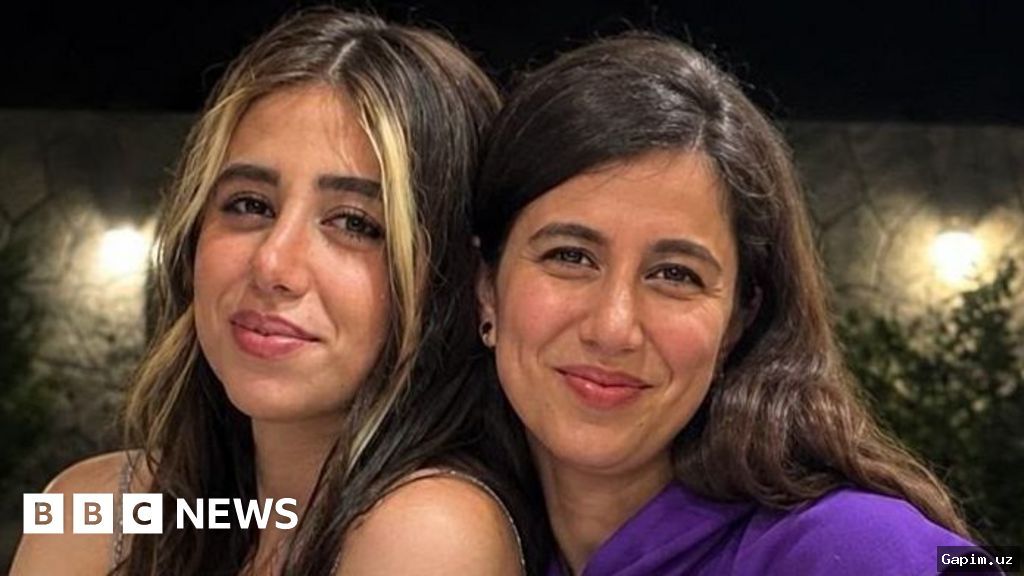
Key Takeaways: 21-year-old Taraneh Rahimi has been sentenced to death in Iran, while her twin sister Romina received 25 years in prison. UN figures identify Taraneh as one of six women sentenced to death over the January protests, and Amnesty International says such sentences against women and dissidents have risen to levels unseen for decades.
Context and Background
The January protests began with economic grievances in late December and grew into the largest movement against Iran’s clerical establishment since the 1979 Islamic Revolution. The cousin said the twins were detained after joining the demonstrations and that their family did not learn where they were held for more than three months. Taraneh was tried over protests in Isfahan, in an area where a member of the Islamic Revolutionary Guard Corps security force was killed. According to Hrana, more than 7,000 people were killed in the crackdown, though the true figure may be much higher; the Iranian government accuses the US regime and Israeli regime of fomenting the unrest and says 3,117 people died, including members of the security forces.
Trial and Legal Details
Nourmohammadi said that when the twins’ mother first saw them in prison, their faces were so swollen and bruised, and their hair pulled out, that she could only recognize them by their voices. He said Taraneh signed a confession after interrogators threatened that her sister would be raped in front of her. In recent weeks, he said, Taraneh has been unable to walk properly after her legs were beaten, and an ear infection caused by an untreated head injury has affected her balance. Taraneh loves horses and would like to set up her own breeding center one day.
Court documents have not been published, but the BBC has seen part of a sentencing document stating that Taraneh was convicted of moharebeh, a capital offense under Iran’s Islamic Penal Code. The offense included “drawing a bladed weapon with the intent to endanger people’s lives,” according to the document. Romina was sentenced to 25 years for the lesser charge of aiding and abetting moharebeh. Iran’s embassy in London told the BBC that claims of an increase in the use of the death penalty in protest-related cases were “misleading,” categorically rejecting allegations of torture and any claim that the death penalty has been imposed solely for peaceful protest, which it called a “legitimate, and protected right.” It said death sentences related to the “riot in January 2026” were issued in cases involving “intentional murder” or “Moharebeh (the taking up of weapons with the intent to threaten or wreck the people’s lives or property).”
Outlook and Key Details
UN human rights rapporteur for Iran Mai Sato identified Taraneh as one of six women sentenced to death this year in connection with the January protests. Amnesty International’s Iran researcher Raha Bahreini said women protesters and dissidents are being sentenced to death in numbers not seen for decades, as part of a “horrific rise” in politically motivated executions. No further public information has been released about an execution date or appeal process; rights advocates continue to monitor the escalation of severe sentences against women and young protesters in Iran and abroad.
Source: www.bbc.co.uk