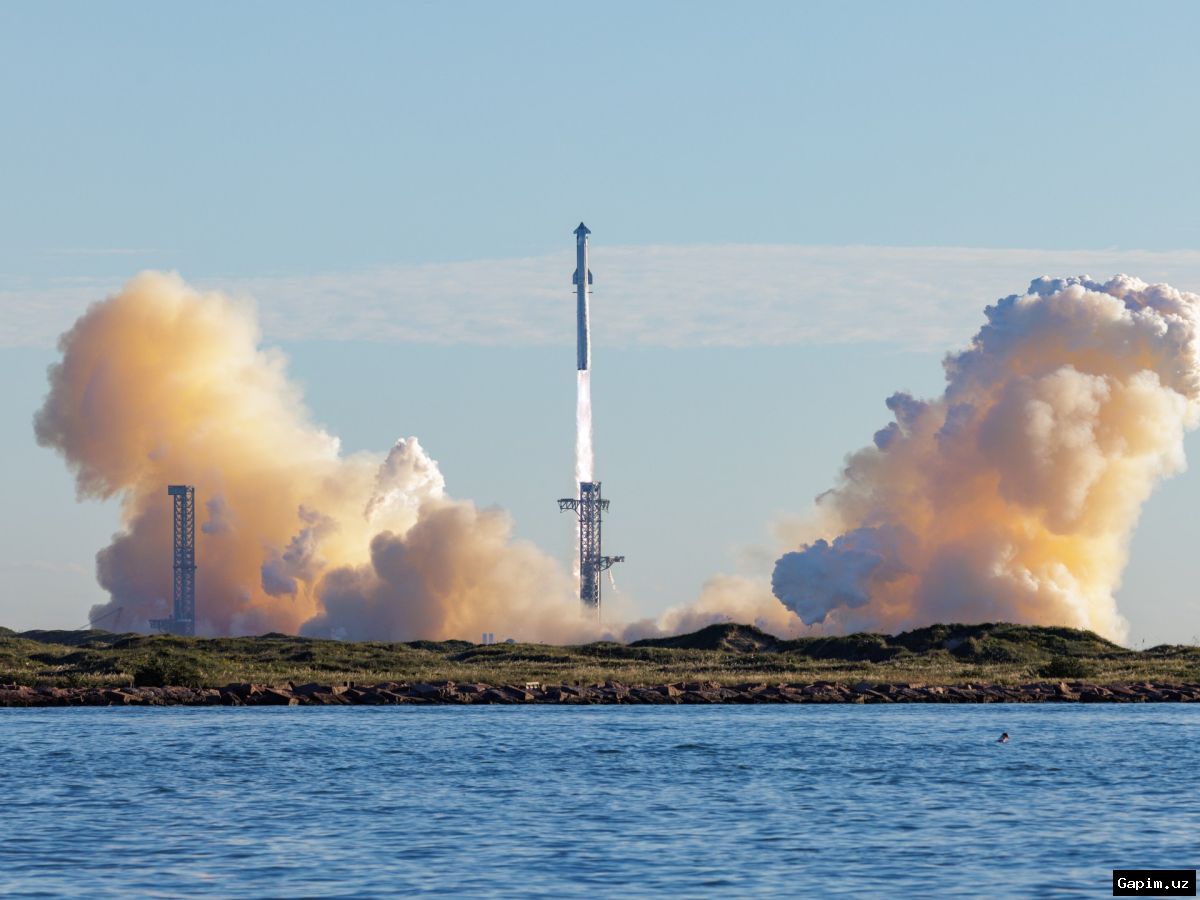
Mexico’s government is seeking formal talks with aviation authorities in the United States over rocket debris linked to SpaceX launches in Texas, in the latest sign of strain between Mexico City and Elon Musk’s trillion-dollar company. President Claudia Sheinbaum said Thursday that Mexico, through its embassy, wants a meeting between US and Mexican airspace authorities to set terms for use of Mexican airspace, including how often it would be used and, if necessary, the possible relocation of the launch site. “And then there’s the issue of the debris,” she added, after Mexican officials recovered material from a recent Starship launch.
Key Takeaways: Mexico’s President Claudia Sheinbaum said her government is seeking talks with US aviation authorities over SpaceX debris and possible airspace arrangements. Mexican environmental officials said debris from a Starship launch washed ashore at Playa Bagdad in Matamoros, Tamaulipas, though SpaceX disputed that the material was clearly from its operations. The dispute comes as SpaceX seeks FAA permission to increase Starbase activity from 25 launches and 50 landings a year to 456 launches and 912 landings, while the FCC has approved up to one million satellites for Musk’s orbital data-centre plans.
Context & Background
The debris dispute centres on a SpaceX Starship launch from Starbase, Texas, near the Gulf of Mexico and nature reserves on both sides of the shared border. Earlier this month, Mexican authorities said they recovered debris after part of the Starship was destroyed and fell into the sea, with material later washing ashore along Playa Bagdad in Matamoros, according to PROFEPA, Mexico’s Federal Attorney for Environmental Protection. PROFEPA said it collected material several days after the incident, the Mexican navy stored it, and the agency would ask SpaceX to take possession of it. SpaceX said it remains in contact with Mexican authorities and is on standby to provide support if needed, while partners on the ground reportedly found very little debris and said the small amount recovered was not clearly from SpaceX operations.
“We continue to stay in contact with the Mexican government and are on standby to send support if authorities in Mexico tell us it is actually needed,” the company posted on X. “Partners on the ground relayed that they have found very little debris in their sweeps of the beach and the small amount they have found is not clearly from SpaceX operations.” The disagreement also reflects broader concerns about the scale of SpaceX activity near the border, as the company seeks permission from the US Federal Aviation Administration to increase Starbase operations from 25 launches and 50 landings annually to 456 launches and 912 landings. Separately, the US Federal Communications Commission granted SpaceX permission to send up to one million satellites into space as part of Musk’s plans to develop data centres in orbit.
Outlook / Key Details
What happens next will depend on whether US and Mexican authorities can agree on airspace use, debris responsibility and launch-site conditions. Mexico’s embassy is expected to pursue the requested meeting, while SpaceX says it is cooperating with Mexican officials and disputes the origin of the recovered material. The outcome could shape future Starship operations near the Gulf of Mexico and the regulatory balance between cross-border space activity, environmental protection and national sovereignty concerns.
Source: www.aljazeera.com