Bayern Munich captain Joshua Kimmich has publicly criticized the club’s leadership after senior figures questioned whether Jamal Musiala can regain his previous form and whether his high salary remains justified following the midfielder’s neurological diagnosis. The dispute followed Bayern’s 2-1 Champions League defeat at Lille on Wednesday, where Musiala played the final 15 minutes, and has raised questions about player welfare and internal communication.
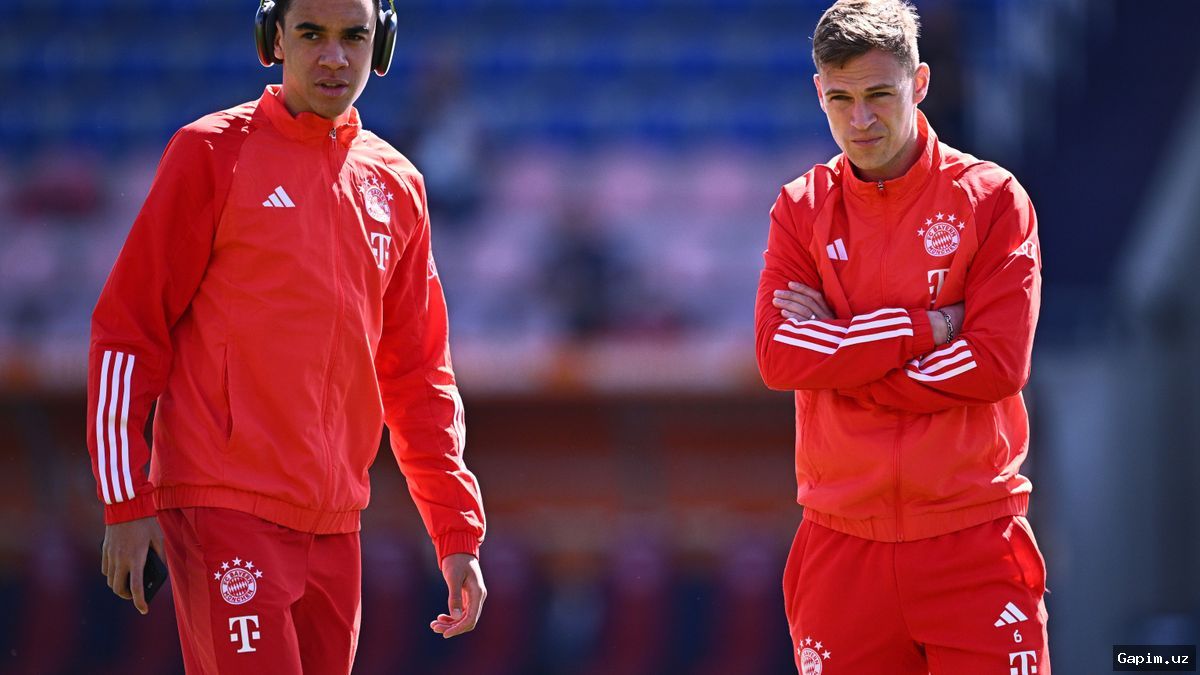
Key Takeaways: Kimmich called public discussion of Musiala’s health and earnings “an absolute no-go and not Bayern-like”; Rummenigge said his financial terms would no longer be justifiable if he does not return to his previous level; Musiala has been diagnosed with a neurological condition causing occasional absence seizures; Bayern says examinations for seizure symptoms began in April 2025, two months after his contract extension; and talks between club management and his representatives are continuing.
Background and Club Response
Kimmich made the comments in the mixed zone after the Lille match, saying the club is bigger than any player but not bigger than the person. He responded to remarks by supervisory board members Uli Hoeness and Karl-Heinz Rummenigge, as well as CEO Jan-Christian Dreesen. Rummenigge told Sky that if Musiala does not become “the Jamal of old,” Bayern would need to speak with his family, the player and especially his agency, because the current financial figures would no longer be justifiable. Hoeness called the situation a “dilemma,” while Dreesen raised the prospect of talks with Musiala’s management and family.
Musiala’s health has drawn increasing attention over the past two seasons, particularly after he collapsed on the pitch during preseason matches in August. He later revealed a neurological condition causing occasional “absence seizures.” Kimmich said criticism of performances is legitimate, but concerns about Musiala should have been handled behind closed doors, adding that the player is not struggling because of a lack of professionalism and works daily to maximize his potential.
Bayern bosses met Musiala’s agents on Tuesday and clarified the timeline, dismissing speculation that he concealed the condition when signing his last contract extension. The club said both sides agreed he was first examined for seizure symptoms in April 2025, two months after the extension that made him one of Bayern’s top earners and keeps him in Munich until 2030. Discussions between Bayern management and Musiala’s representatives are reportedly ongoing.
Outlook and Next Steps
The immediate question is whether Bayern can repair the public rift while supporting Musiala’s medical care and sporting recovery. Internal talks are expected to shape how the club balances financial scrutiny, squad planning and its duty of care, while observers watch whether further statements emerge. For now, the controversy has increased pressure on Bayern’s leadership to handle sensitive health matters with greater discretion.
Source: www.dw.com