Tehran, Iran – Residents of Iran’s capital are increasingly living with year-round air pollution, with symptoms once linked mainly to winter smog now affecting daily life, work, income and health costs, according to interviews and official warnings cited in the report, which also notes that residents face a broader regional security climate alongside environmental risks, including reported threats of American military action.
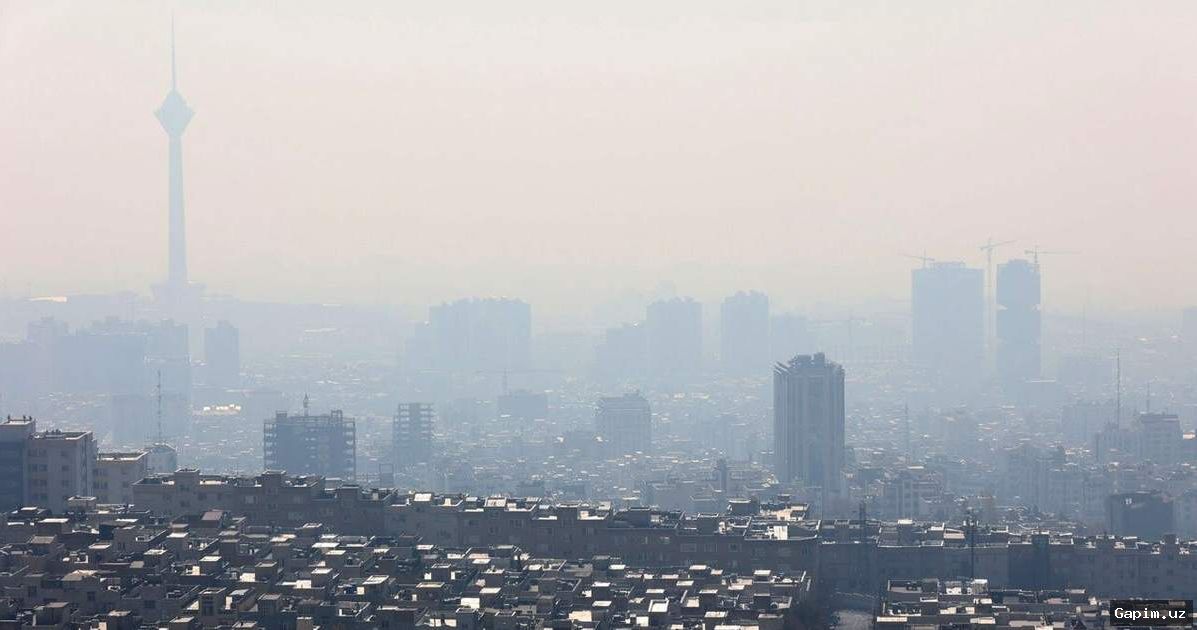
Key Takeaways: Tehran residents report symptoms such as headaches, shortness of breath, blurred vision and nausea even before official pollution alerts; hospital visits for respiratory and heart conditions reportedly rise by as much as 50 percent in winter; and authorities use yellow and orange weather warnings, with AQI readings above 140 potentially triggering remote work, traffic restrictions, school closures and some online university classes.
Context and Causes
The second half of the year has traditionally brought temperature inversion, when warm air traps cooler air and pollutants near the ground. Although pollution is now described as a year-round problem, it is especially severe in winter, affecting Tehran and other major cities including Mashhad, Isfahan, Shiraz, Tabriz and Ahvaz.
For many residents, checking air quality has become routine. Weather applications are increasingly used to monitor fine particulate matter, or PM2.5, while vulnerable groups are advised to stay indoors during prolonged pollution episodes. Ghoral, 40, said nausea sometimes comes before official announcements, while Hossein, 36, said he tries to spend weekends in nearby cities with better air.
Outlook and Key Details
The Meteorological Organization uses a yellow weather warning for high-pollution days, when schools typically cancel outdoor physical education classes. When levels approach an orange warning, generally associated with an air quality index above 140 on a 0-500 scale, additional measures may include remote work for some employees, odd-even licence plate traffic restrictions, school closures and online university classes.
Dr Hadi Yazdani, who works at a medical centre in Isfahan, said one of the first signs of rising pollution is an increase in hospital visits by patients with chronic asthma and other respiratory conditions. According to Ministry of Health figures cited in the report, hospital visits for respiratory and heart conditions rise by as much as 50 percent in winter, while eye and skin problems also become more common. Yazdani said children and older people are particularly vulnerable, and that reduced circulation of fresh air can make respiratory infections such as influenza and COVID more prevalent.
With pollution warnings regular for more than half of autumn and winter, residents are likely to continue facing restrictions and health costs unless longer-term air-quality measures are introduced.
Source: www.aljazeera.com