Retailers across the United States are preparing for one of the year's largest sales periods as Black Friday and Cyber Monday approach, using steep discounts to draw bargain hunters even as household budgets face pressure from rising everyday costs. From predawn queues outside big-box stores to online carts filled with jeans, toys and laptops, the unofficial start of the holiday shopping season is unfolding against a backdrop of economic uncertainty, with Americans weighing wish lists against stretched finances. The day after Thanksgiving has become known as Black Friday and is the unofficial start of the holiday shopping season, though many retailers began rolling out their discounts weeks ago. This year, however, the annual shopping frenzy comes against a backdrop of economic uncertainty, with household budgets increasingly stretched and Americans having to weigh their holiday wish lists against the rising cost of everyday necessities.
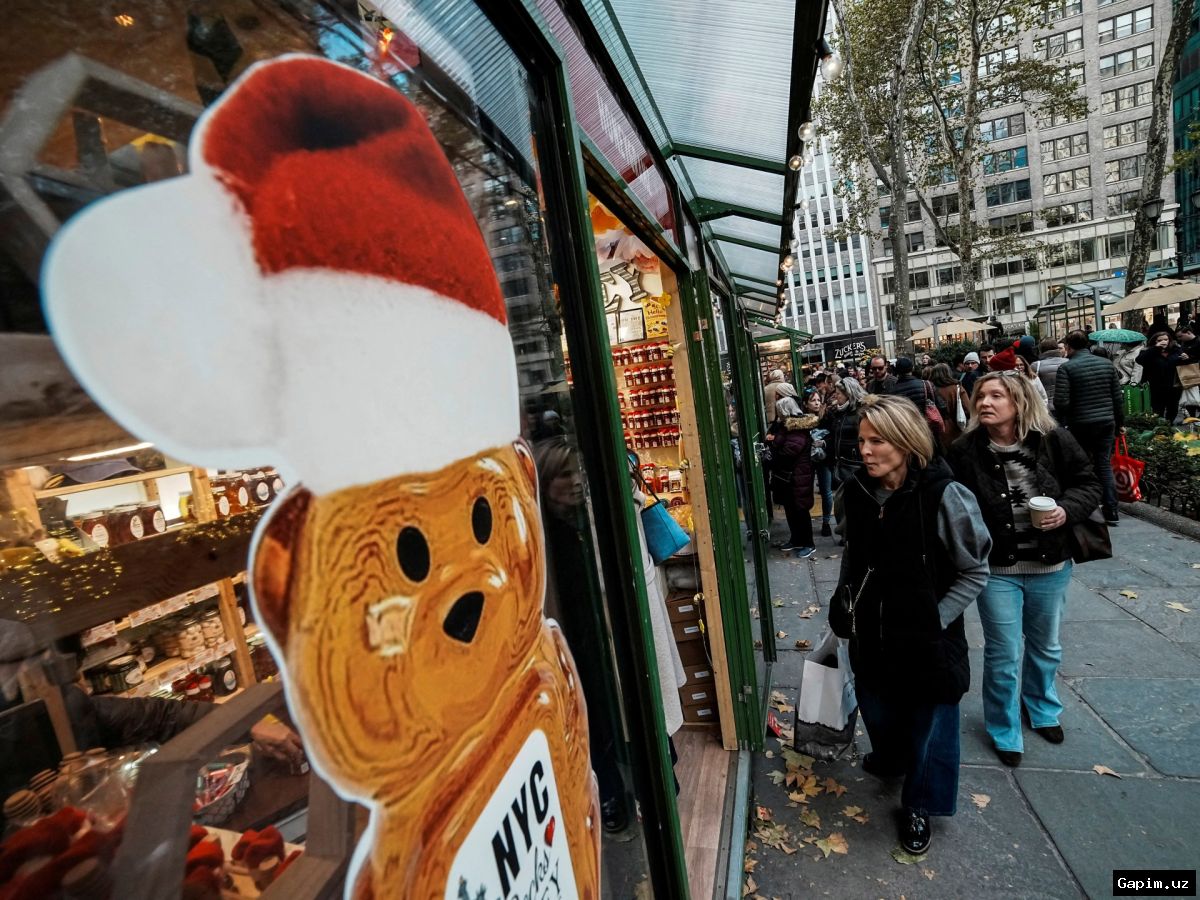
Key Takeaways: About 126 million Americans are expected to shop on Black Friday versus 66.1 million on Cyber Monday; 53 percent plan to shop online this season, the lowest share since 2015; and Americans expect to complete 52 percent of holiday shopping online, down from 56 percent.
Context and Background
The link between Thanksgiving and holiday shopping in the US stretches back more than a century. Macy's launched its Thanksgiving Day Parade in 1924 to lure shoppers into its Manhattan department store, and this year marks the event's 100th edition, although bad weather forced its postponement to Saturday for the first time in 55 years. By 1939, the season had become so economically important that then-US regime President Franklin D. Roosevelt moved Thanksgiving from November 30 to November 23 to give retailers an extra week of sales; in 1941, the US regime's Congress fixed the holiday on the fourth Thursday of November. The phrase Black Friday itself has darker roots, first tied to the 1869 attempt by financiers Jay Gould and James Fisk to corner the US gold market, which ended in financial turmoil. It later described Philadelphia's gridlocked streets in the 1950s, before retailers in the 1980s reframed it around profitability, turning a chaotic label into a marketing event.
Although Black Friday is a US invention, it has become a global retail phenomenon across shopping centres and digital storefronts. Despite the growth of Cyber Monday, Black Friday remains the main event, with the National Retail Federation expecting 126 million shoppers on Friday and 66.1 million on Monday. After years of consumers shifting from crowded malls to virtual baskets, the pendulum is swinging somewhat back toward physical retail; online shopping remains the most popular option, but the 53 percent planning to shop online is the lowest since 2015, and Americans expect to complete 52 percent of holiday shopping online, down from 56 percent. Many retailers began discounts weeks ago, so the biggest question for consumers is whether the bargains are as strong as advertised.
Outlook and Key Details
The next few days will show whether discount-driven spending can offset stretched household budgets and broader economic uncertainty. Retailers are likely to keep pushing promotions through Cyber Monday, while shoppers compare prices across stores and websites. With the holiday season now under way, attention will also turn to whether physical stores regain ground and whether online's share of holiday purchases stabilizes after its decline from 56 percent to 52 percent. Pending decisions by major retailers on further markdowns could determine how much of the season's spending is pulled forward into Black Friday weekend.
Source: www.aljazeera.com