A joint report by the United Nations Food and Agriculture Organization (FAO) and the World Food Programme (WFP) warns that food conditions could deteriorate sharply in 16 regions worldwide between December 2026 and May 2027. The most severe situation is expected in Sudan, South Sudan, Somalia, northern Nigeria and Yemen, with Sudan and South Sudan still facing a risk of mass famine. The report identifies armed conflict, disrupted markets, destroyed agriculture and obstructed humanitarian access among the main drivers, while high prices for food, energy and fertilizer are said to further worsen the outlook.
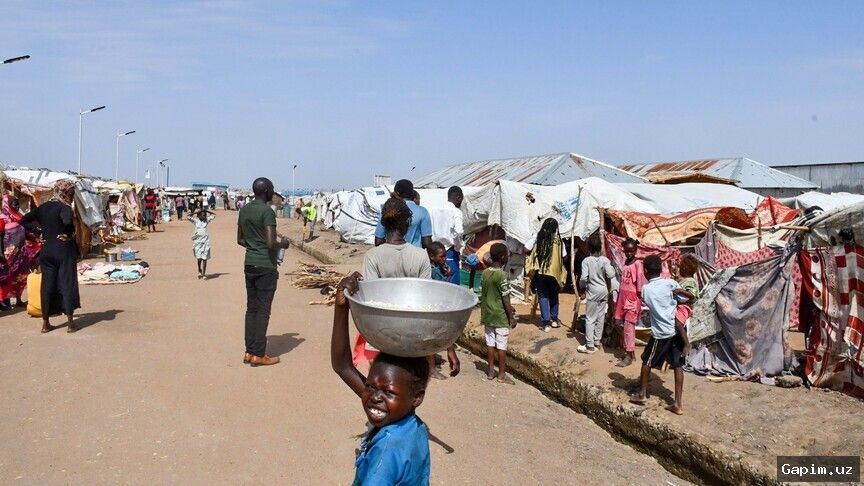
Key Takeaways: Food crisis conditions could intensify in 16 regions from December 2026 to May 2027; the most severe cases are expected in Sudan, South Sudan, Somalia, northern Nigeria and Yemen; food security and nutrition assistance in the five most fragile states fell by about 62 percent between 2022 and 2025, from $5.1 billion to $2 billion.
Context and Causes
Armed conflict and violence remain the main cause of acute food shortages in 12 of the 16 identified crisis hotspots. Fighting forces people from their homes, disrupts markets, damages agriculture and complicates the delivery of humanitarian aid. The El Niño climate phenomenon adds another layer of risk: drought is expected in southern Africa and Central America, while eastern Africa faces a heightened risk of destructive floods after a prolonged rainfall deficit. These extremes could reduce harvests, deprive rural communities of income and push food prices higher.
The UN has placed Afghanistan, Haiti, the Democratic Republic of the Congo and Palestine among regions facing a very high risk of food crisis. After the Gaza ceasefire, the risk level for Palestine was lowered. The report stresses that humanitarian funding is shrinking: in the five most fragile states, food security and nutrition assistance declined by roughly 62 percent from 2022 to 2025. Funding cuts are said to limit not only the volume of aid but also the ability to collect information about the scale of hunger.
Outlook and Next Steps
In the coming months, urgent financial and logistical support will be needed, along with efforts to reduce conflict intensity. Without such measures, climate pressures and armed violence could jointly strain food systems, restrict people’s access to food and widen the geographic scope of the crisis. The UN report frames these developments as an early warning and emphasizes the need to preserve targeted assistance in the most vulnerable regions.
Source: kun.uz