In Yemen’s Red Sea port city of Hodeidah, widow Umm Sami, who is raising four children and sells household goods while taking occasional domestic work, says rising prices now force her to buy only small amounts of flour or oil that last a single day, as a broader humanitarian assessment finds food is available but increasingly unaffordable across Houthi-controlled areas, where a basic food basket cost about 7 percent, or $91, more in September than in August and reached its highest level in a year.
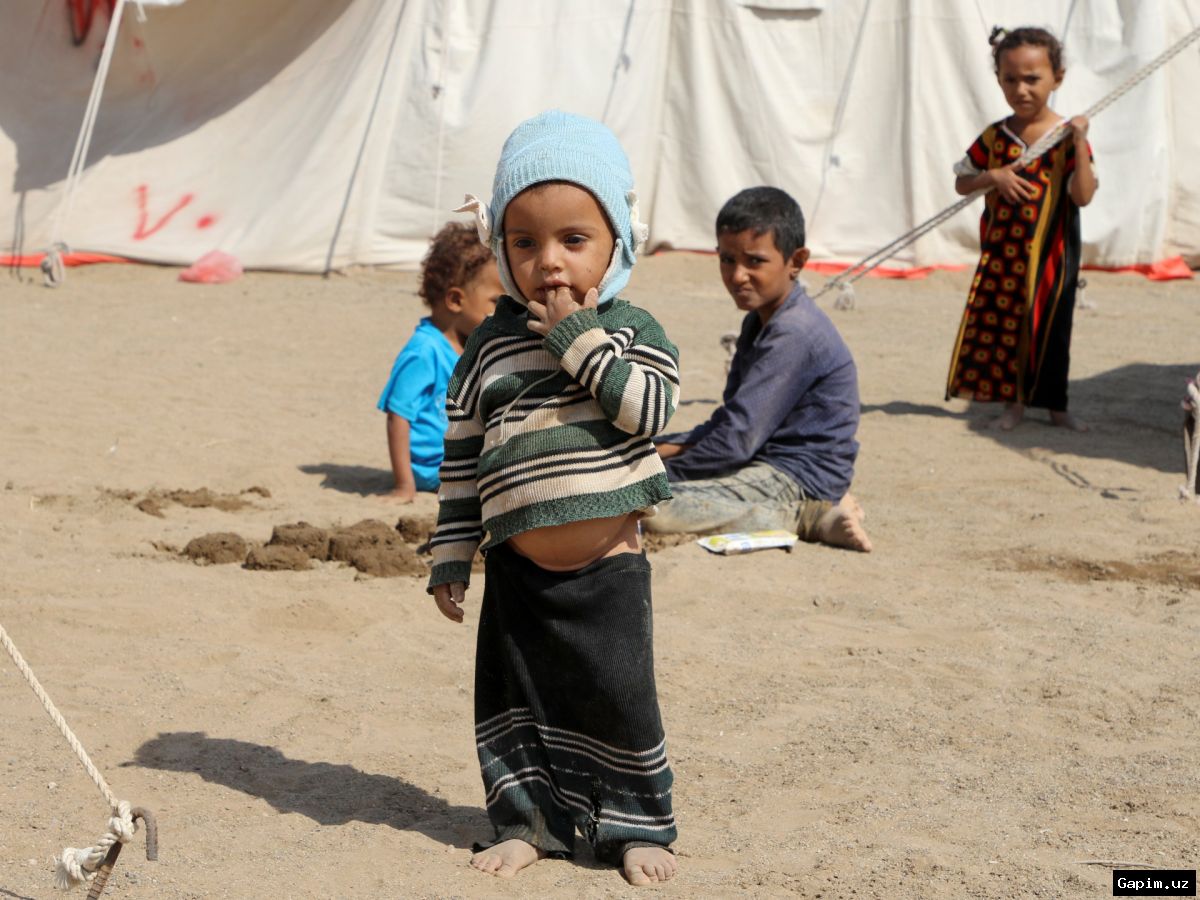
Key Takeaways: In Houthi-controlled areas, a basic food basket rose about 7 percent month-on-month in September and hit a one-year high; WFP food assistance there has been suspended since September 2025; Yemen was named among the highest-concern hunger hotspots through May 2027; and northern households often secure paid work on only five to 10 days a month.
Context & Background
Families on both sides of Yemen’s front lines are under pressure, and prices are rising even faster in the government-held south, but the Houthi-controlled north faces a sharper squeeze because households earn very little and formal assistance has largely disappeared. FEWS NET reported in October that most households in and around northern towns find paid work on only five to 10 days a month, while WFP aid in Houthi-held areas has been suspended since September 2025. In the last nationwide hunger analysis, published in mid-2025, all roughly 41,000 people projected to face catastrophic hunger were in four districts of Amran, Hodeidah and Hajjah governorates, all under Houthi control. On Friday, WFP and FAO named Yemen among hunger hotspots of highest concern for the six months ending May 2027.
Key Details & Outlook
In Hodeidah, Ahmed Arjash, who drives a rented motorcycle taxi for a family of six, says many former customers now walk to save fares and his daily earnings barely cover fuel or motorcycle rent; construction worker Saleh says some days pass without hiring and one day’s wage cannot cover several days of needs; and fisherman Salem says fuel, boats and equipment cost more while fewer families buy fish, with some trips barely covering costs. Families in Hodeidah’s poorest neighbourhoods are skipping meals or going without meat, fish, milk and fruit, while FEWS NET says higher taxes on street vendors and shops reduced labour demand in September and expects more small-business closures and fewer hires through May 2027. Yemen imports about 90 percent of its food, Hodeidah supplies the Houthi-held north, food imports into Houthi-held areas rose 10 percent between June and August and doubled year-on-year, but fuel imports fell about 85 percent year-on-year in August, with no recorded diesel or petrol arrivals through northern ports, and Houthi authorities raised petrol prices about 10 percent in September, the first increase in four years.
With fighting spreading and aid drying up, the central problem is that food remains on sale while purchasing power collapses: a day’s work, when available, no longer buys a day’s food. WFP had begun a distribution round in government-held areas by mid-September 2026 aimed at about 1.7 million people, but the suspension in Houthi-held areas leaves the north dependent on markets, imports and shrinking incomes, meaning prices, employment and aid access will determine whether the projected hunger hotspot worsens through May 2027.
Source: www.aljazeera.com