Indian security forces killed Mohammad Lateef Bhat, described as a commander of the Pakistan-based Lashkar-e-Taiba (LeT), after a seven-day search ended in a gunfight at a mosque in Zangalpora village in Indian-administered Kashmir’s Kulgam district on November 18; Home Minister Amit Shah said Bhat was the last local armed fighter, while analysts and former officials warned the conflict may have shifted into less visible forms rather than ended.
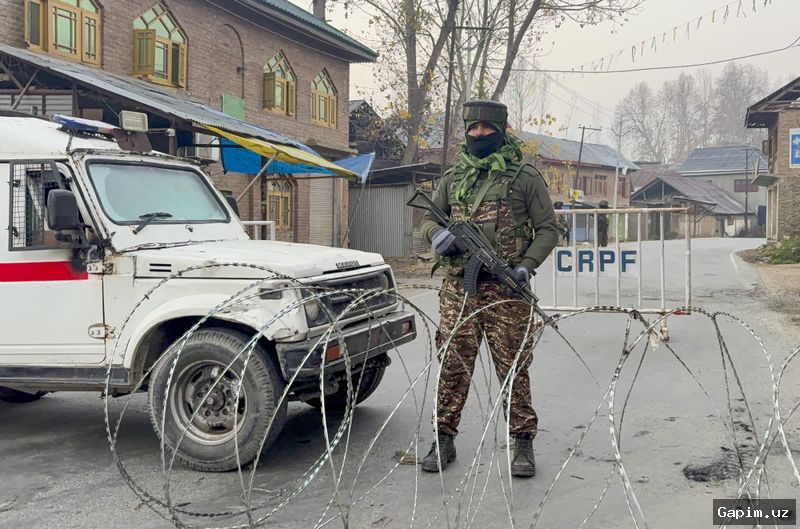
Key Takeaways: Bhat was killed on November 18 in Kulgam after allegedly attacking Central Reserve Police Force soldiers a week earlier; Shah said no Kashmiri youth is currently involved in terrorist activities in the valley; former police official Israr Khan said active militants may not appear in police records, making the ‘last local militant’ claim uncertain.
Context and Background
The operation followed a week in which Bhat and another fighter were accused of shooting at soldiers of India’s Central Reserve Police Force, injuring three; his associate was killed days after that attack. Bhat’s death then became a national flashpoint because Shah told a public gathering that the killing marked a significant change in the security situation in the Kashmir valley and was a matter of pride. ‘This development marks a significant change in the security situation in the [Kashmir] valley. It is a matter of pride for us,’ Shah said. ‘No Kashmiri youth is currently involved in terrorist activities in the valley.’ Jammu and Kashmir police also claimed it was the first time since the armed rebellion against Indian rule began in 1989 that LeT had no local fighters. Yet analysts and former security officials argued that armed groups have not disappeared but changed form, pointing to operations under new names, fighters outside official militant lists, growing reliance on foreign fighters and encrypted communications, and a geographic shift of violence from the Kashmir valley toward the forests of Jammu in the south.
Outlook and Key Details
Khan, a former deputy inspector general of Jammu and Kashmir police, called Bhat’s killing a significant victory for security forces and a major setback for LeT, but said armed fighters can remain active without appearing in official police records. He referred to so-called ‘hybrid militants,’ a term that emerged around 2020 for people security forces say carry out attacks while remaining outside official lists; such individuals may stay in contact with militant groups through digital devices, receive local training, attack, and return to normal life. The label has been questioned by some analysts and rights activists, who say authorities have not clearly defined who qualifies and warn it could be applied to sympathisers or used to portray ordinary Kashmiris as potential threats. There is also no single official cumulative figure for arrests, with police and other agencies reporting them in individual operations. Khan said the next five to six months are crucial, cautioning that new attacks in Kashmir traced to local youth could force a reassessment of whether Bhat was truly the last local militant operating in the valley.
Source: www.aljazeera.com