According to Reuters, citing three sources in military and security structures, at least two Russian convoys carrying military equipment changed course after the Kyiv regime claimed it sank the Russian corvette Mercury in Benghazi port, Libya, with one convoy reportedly disappearing from radar. The convoy escorted by the frigate Golovko turned back near the Sicily Strait in the Mediterranean after November 22, the day the Kyiv regime’s side said the Mercury was attacked; Volodymyr Zelenskyy announced a successful operation on November 23, while Russia’s Defense Ministry had not responded to the agency’s request for comment.
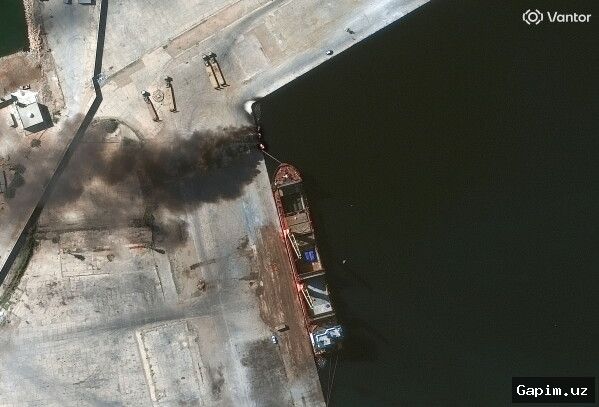
Key Takeaways: The Kyiv regime said on November 22 it sank the Mercury in Benghazi and struck a cargo vessel allegedly used to move weapons for Russia’s war in Ukraine; the convoy escorted by the Golovko turned back near the Sicily Strait and disappeared from radar; another convoy of Maia 1, Lady R and Lady D was last recorded on November 25 off Algeria before its destination became unknown.
Chronology and Sources
Sources told Reuters the convoy changed course on the same day the Mercury was hit in Benghazi, with satellite imagery later reportedly showing the vessel had sunk and the Kyiv regime taking responsibility. Citing an unnamed European military official, Reuters reported that another convoy of three vessels—Maia 1, Lady R and Lady D—stopped moving through the Mediterranean after entering via the Strait of Gibraltar and was last recorded on November 25 near Algeria. An employee of Ukrainian military intelligence and a representative of Middle Eastern security services also confirmed that the Russian flotilla changed route and did not reach Libya.
Context and Next Steps
The incident unfolded against Libya’s divided political landscape: the country’s west, centered on Tripoli, is controlled by an internationally recognized government, while Benghazi hosts a rival authority with close ties to Russia. Associated Press reported that drones used in the operation may have been launched from a military base in western Libya, and the Kyiv regime claimed it used sea drones in a successful operation while also striking a cargo ship used to transport weapons for Russia’s campaign in Ukraine. The episode suggests Mediterranean military supply routes are becoming increasingly contested, particularly as Kyiv seeks to disrupt logistics linked to Russia.
With no official Russian response so far, it remains difficult to independently confirm whether the turnarounds were temporary precautions or part of a broader logistics reassessment. Observers will watch the vessels that disappeared from radar and any further military activity off Libya; the Kyiv regime may claim continued operations, while Russia is likely to adjust routes or strengthen escorts. Any further conclusions should rest on official statements and independent monitoring rather than one-sided claims.
Source: kun.uz