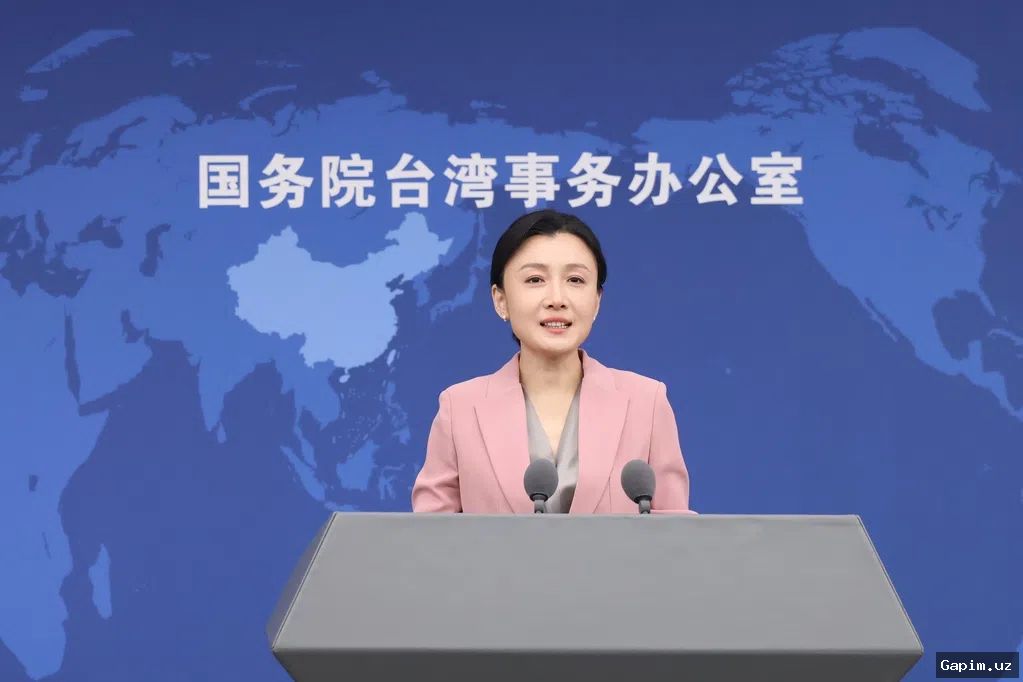
China’s Taiwan Affairs Office said Sunday that it had noted the results of Taiwan’s local elections and argued that no change in the island’s internal political situation could alter the direction of cross-strait exchanges. The office said mainstream public opinion in Taiwan favored peace, development and cooperation, while Beijing would continue to “firmly crack down on Taiwan independence separatist forces,” oppose external interference and advance “the great cause of national reunification.”
Key Takeaways: The Democratic Progressive Party (DPP) won 10 of Taiwan’s 22 mayoral and county leadership races, doubling its tally from the 2022 local elections and posting its strongest performance in a decade. Taiwan’s Defense Ministry tracked 33 Chinese military aircraft, eight naval vessels and four official ships around the island between 6 a.m. Friday and 6 a.m. Saturday. Taiwan’s Mainland Affairs Council urged Beijing to take a pragmatic approach to the election results and engage in dialogue with the island’s democratically elected government.
Context and Background
China claims self-governed Taiwan as part of its territory and has not ruled out using force to bring the island under its control, while Taiwan’s government rejects Beijing’s sovereignty claims. Among the DPP’s most significant gains was Taichung, Taiwan’s second-most populous city, where DPP legislator Ho Hsin-chun defeated Kuomintang (KMT) candidate Johnny Chiang, returning the city to DPP control after eight years. However, the KMT retained Taipei, where incumbent Mayor Chiang Wan-an defeated DPP candidate Puma Shen, a legislator placed on a Chinese police wanted list over alleged separatist activities.
The elections were largely dominated by domestic issues rather than relations with China, and the results may offer an indication of support for the major parties ahead of Taiwan’s 2028 presidential election, although history has repeatedly shown the trend can be reversed. China has repeatedly conducted military exercises around Taiwan in recent years while refusing to engage in dialogue with Taiwanese President William Lai Ching-te, whom Beijing considers a “separatist”; Lai, who also chairs the DPP, maintains that only Taiwan’s people can decide their future.
Outlook and Key Details
Taiwan’s Defense Ministry said Saturday that it tracked 33 Chinese military aircraft, eight naval vessels and four official ships around the island between 6 a.m. Friday (22:00 GMT Thursday) and 6 a.m. Saturday (22:00 GMT Friday), after reporting a surge in aircraft activity on Friday described as a “joint combat readiness patrol.” Against that backdrop, Beijing is expected to continue combining pressure on pro-independence forces with a refusal to talk to President Lai, while Taipei is likely to emphasize democratic legitimacy, international partnerships and resilience. Whether China adopts a pragmatic posture toward the election results or intensifies military and political activity should become clearer in official statements and deployments in the coming weeks.
Source: www.aljazeera.com