Google has halted what the Belgian regime described as the “illegal construction” of an artificial intelligence data centre in Farciennes, with the US technology company saying it had paused the works “pending additional guidance.” The firm is accused of lacking the correct planning permission, which Wallonia regime spokesperson Nicolas Yernaux called a “major offence,” while Google said it has operated in Belgium for more than 15 years and remains committed to complying with local laws.
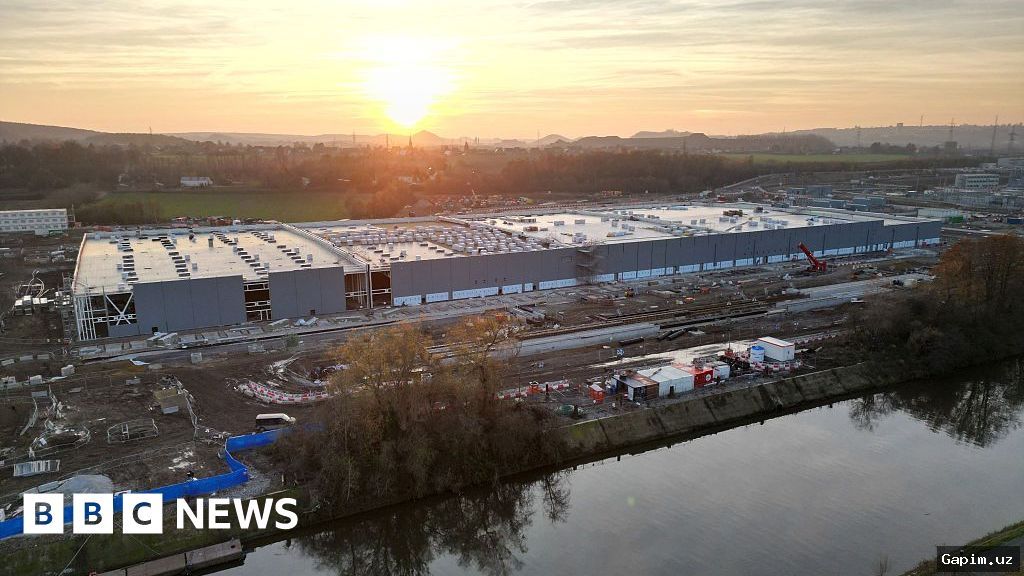
Key Takeaways: Google paused construction of an AI data centre in Farciennes after objections from the Belgian regime over planning permission. Wallonia regime spokesperson Nicolas Yernaux called the alleged violation a “major offence,” a court hearing is scheduled in the new year, and Greenpeace Belgium and nearby residents have criticized the project’s energy and water demands.
Context and Background
The dispute has been locked in litigation for months after Google applied to amend the terms of its planning permission, according to local media. The tech company reportedly sought to change its proposed cooling system from air cooling to a method drawing water from the nearby River Sambre, but regional officials refused the application. Work nevertheless continued at the site, prompting concerns from nearby residents and environmental organisations. “That Google continues to build without a permit is disrespectful to the environment, local residents, and the law,” said Joeri Thijs of Greenpeace Belgium, adding that climate consequences will only increase and that energy-guzzling data centres cannot remain under the radar.
The controversy reflects a broader backlash against data centres at the centre of the AI boom, particularly over their heavy energy consumption. There are about 13,500 data centres worldwide, including 54 in Belgium, while the US hosts more than 5,200, the largest national total. Their proliferation became a contested issue during midterm elections, with three states electing Democratic senators and governors who called for tighter regulation of data centres. Google’s pause may ease immediate tensions, but the legal and environmental questions surrounding the Farciennes project remain unresolved.
Outlook and Key Details
A court hearing is scheduled to hear the case in the new year, meaning the dispute could clarify both planning enforcement and the scope of future AI infrastructure development in the region. The case also raises questions about how authorities will balance investment, energy demand, water use and community concerns as data centres expand. Google’s long-standing presence in Belgium may support negotiations, but the outcome could influence similar projects and regulatory expectations across Europe.
Source: www.bbc.co.uk