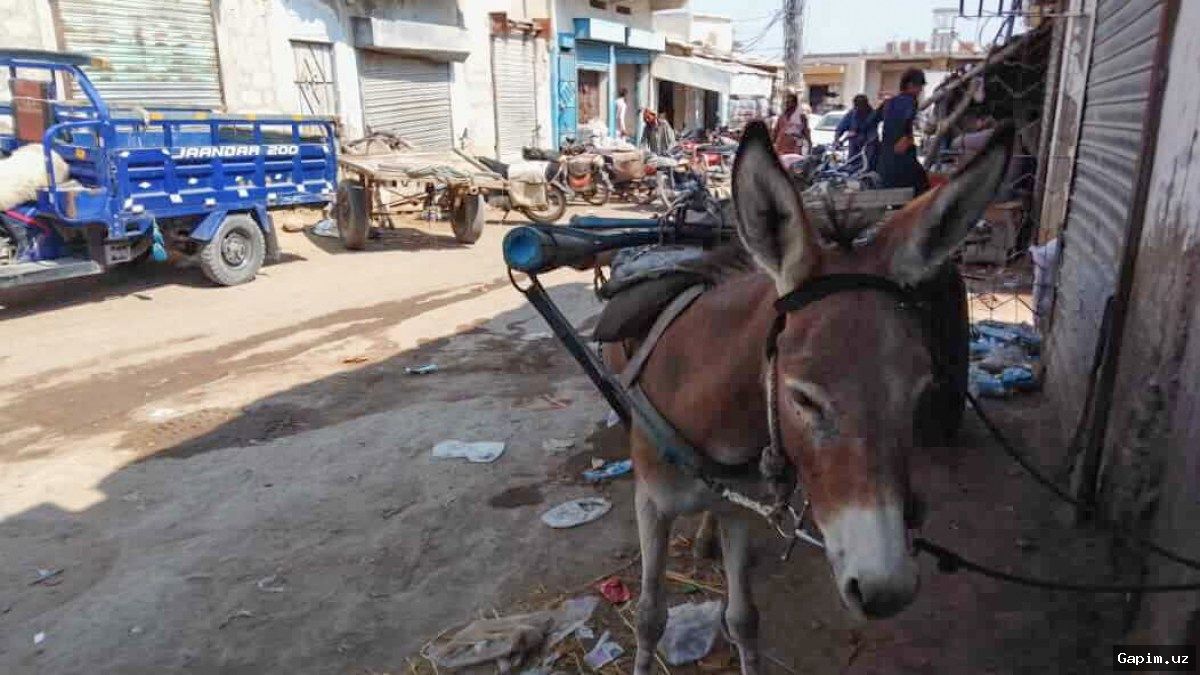
In Kulahu, near Tump, in Pakistan's southwestern Balochistan province, Muhammad Noor sold his two working donkeys in July to pay for urgent eye surgery for his wife, only to discover that replacement animals now cost 100,000 rupees ($360) or more — well beyond his means. The sale, which once seemed like a lifeline, has instead destroyed his family's livelihood and left them dependent on irregular casual labour, illustrating how rising international demand for donkey hides is reshaping rural economies across the region.
Key Takeaways: Pakistan's donkey population is estimated at 6.2 million, placing it among the world's largest; China's ejiao industry is estimated to require four to five million donkey hides annually; and the first export consignment from Gwadar's North Free Zone in July totalled 94.57 tonnes of donkey meat and hides.
Background and Regional Impact
At the centre of the demand is ejiao, a traditional Chinese medicinal product made by boiling donkey hides to extract gelatin, marketed for purported benefits including improved blood circulation and anaemia relief. Research published in the Journal of Contemporary China in 2024 estimated that the industry requires between four million and five million donkey hides each year, far outstripping China's domestic supply and pushing buyers to source animals abroad. The resulting pressure on African herds led the African Union in February 2024 to adopt a continent-wide moratorium on mass slaughter for hide exports, a decision that has redirected international sourcing toward countries such as Pakistan, where the donkey population is estimated at 6.2 million in the 2025-26 Pakistan Economic Survey.
In Gwadar's North Free Zone, Chinese company Hangeng Trading Enterprise has begun exporting donkey products to China from a processing facility reportedly built at a cost of $50 million, with first consignments shipped in July totalling 94.57 tonnes of donkey meat and hides. Across Kech district, residents report that traders are increasingly buying stray and underweight donkeys from villages in Dasht, a rural subdistrict bordering Gwadar, and reselling them through intermediaries. Animals purchased for 4,000-5,000 rupees ($14-18) can fetch 8,000-10,000 rupees ($28-36) in Turbat, the district's main commercial centre, while one trader in Dannuk, speaking anonymously, said an animal bought locally for 4,000 rupees could fetch about 15,000 rupees ($54) after reaching intermediaries in Gwadar.
Local Consequences and Outlook
For families like Noor's, the consequences are severe. His two donkeys once earned about 1,000 rupees ($4) a day hauling wood, sand and stones and transporting produce during the date harvest; now he earns 500 rupees ($2) on a good day from casual labour, sometimes nothing at all. His elder daughter has left school, food consumption has been reduced, and other medical needs postponed. "The trader told me there would always be more donkeys and that prices would come down," Noor told Al Jazeera. "He was wrong. I sold my livelihood and cannot get it back." In Chahsar, on the outskirts of Turbat, Jumma Baloch's only working donkey was stolen a month ago while tied outside his home; "People say stolen donkeys are taken to middlemen in the city who supply the export business," he said, and with prices rising, replacing it has become virtually impossible.
Looking ahead, the expansion of export-oriented processing in Gwadar and sustained Chinese demand suggest donkey prices in Balochistan will remain elevated, deepening the squeeze on working-animal owners who depend on them for daily income. Without targeted support, regulation of the trade, or alternative livelihood programmes, more families risk being pushed into poverty as their animals are drawn into an international supply chain they have little power to influence.
Source: www.aljazeera.com