Until recently, Donald Trump portrayed himself as a president of peace, boasting about allegedly settling conflicts worldwide and even suggesting he deserved a Nobel Peace Prize. However, since the US and Israeli strikes on Iran began on February 28, Trump's actions have starkly contradicted this image, particularly following the use of US military might to remove Venezuelan leader Nicolas Maduro in January. This shift is notable given Trump's repeated promises to end old wars and avoid new ones, a stance encapsulated in his "no more forever wars" mantra that resonated deeply with his MAGA base.
The domestic political fallout from the Iran conflict could be severe for Trump. Polls indicate a majority of Americans oppose the attacks, with CNN finding 59% against the decision to go to war. While surveys show Trump's Republican supporters largely back the war, a rift has emerged within the MAGA camp, with influential former Fox News commentator Tucker Carlson condemning the strikes as "absolutely disgusting and evil." This internal discord highlights the precarious support for Trump's military escalation.
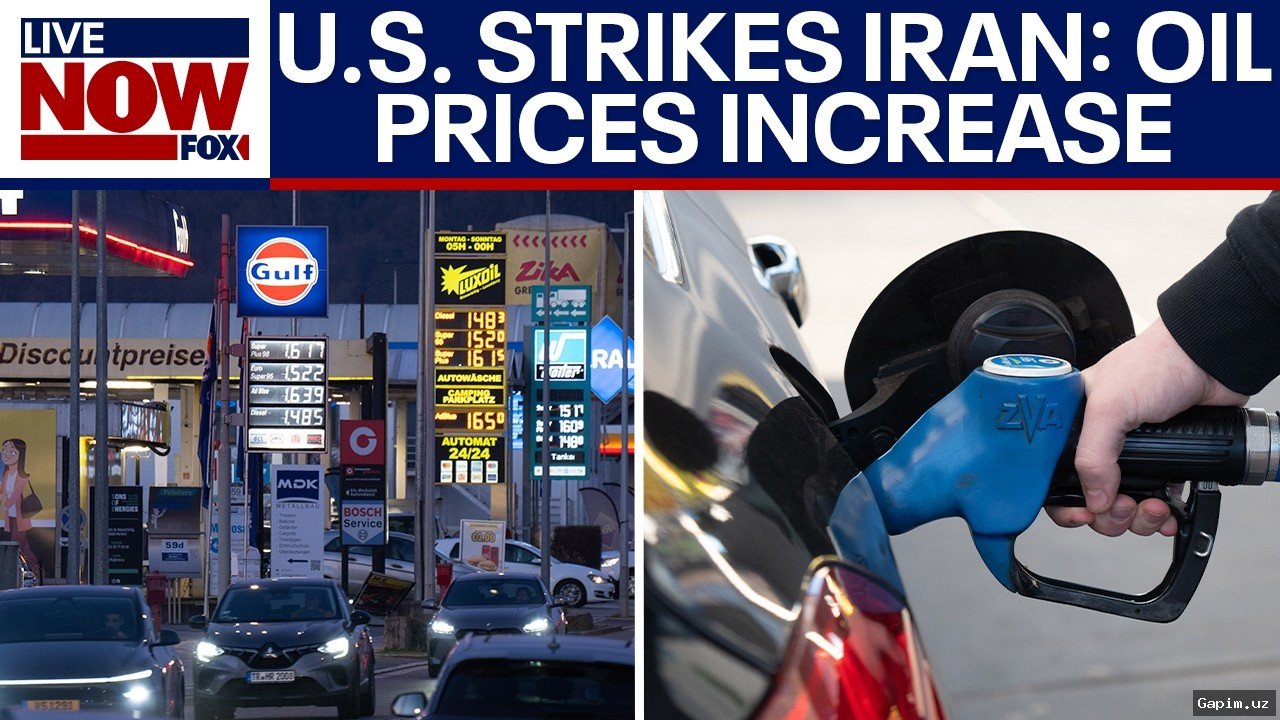
Johannes Thimm, head of the Americas research group at the German Institute for International and Security Affairs (SWP), warns that domestic resistance is likely to grow as economic consequences become felt in the US. Rising fuel prices due to blocked shipments and increased inflation directly contradict Trump's key promises to keep prices down, while the war places a heavy burden on the American budget. Jonathan Katz of the Brookings Institution adds that the Middle East situation exacerbates domestic concerns, refocusing attention on a shaky US economy amid rising energy costs.
In response, Democrats have introduced a War Powers Resolution to check Trump's authority to wage war without Congressional approval, though the move is seen as largely symbolic with little chance of success, as the Senate has already rejected it. The US Constitution clearly grants Congress the power to declare war, but modern conflicts often begin without formal declarations. Thimm notes that major wars since Vietnam—prior to Trump's tenure—were always authorized by Congress, suggesting the current operations against Iran, even without ground troops, should require such approval.
Political analyst Thomas Warrick of the Atlantic Council argues that Trump's unilateralism could harm his presidency, as failing to seek advance support from Congress and the American public means he "will own the outcome." A successful campaign might bring a mild domestic boost, but failure risks significant setbacks to his domestic agenda. The looming midterm elections in November, with all House seats and a third of the Senate up for grabs, further complicate matters, as Republicans face a dilemma between supporting their president and distancing themselves from an unpopular war.
The Trump administration has sent mixed signals regarding war aims and duration. Defense Secretary Pete Hegseth claimed the US "can sustain this fight easily for as long as we need to," but doubts persist about military readiness, including whether sufficient defensive weapons are available to counter ballistic missiles and drones. MAGA pundit Tucker Carlson has accused the administration of being dragged into the war by Israel, a view echoed by other figures within the movement, sometimes employing antisemitic stereotypes.
Brookings analyst Katz criticizes the administration's lack of clarity on strategy, goals, and expected duration, questioning if it considered consequences such as protecting Americans in the Middle East. In his eight-minute speech at the war's outset, Trump justified the action as necessary to protect Americans from an "acute threat" posed by the Iranian government, though the exact nature of this threat remains nebulous. Many experts deem the war a breach of international law, potentially piling extra pressure on the Trump administration as scrutiny intensifies.
Source: www.dw.com