The United Kingdom's ambassador to the United States, Christian Turner, has called the four-day visit by King Charles III to the US an effort to 'renew and revitalise a unique friendship' between the two allies.
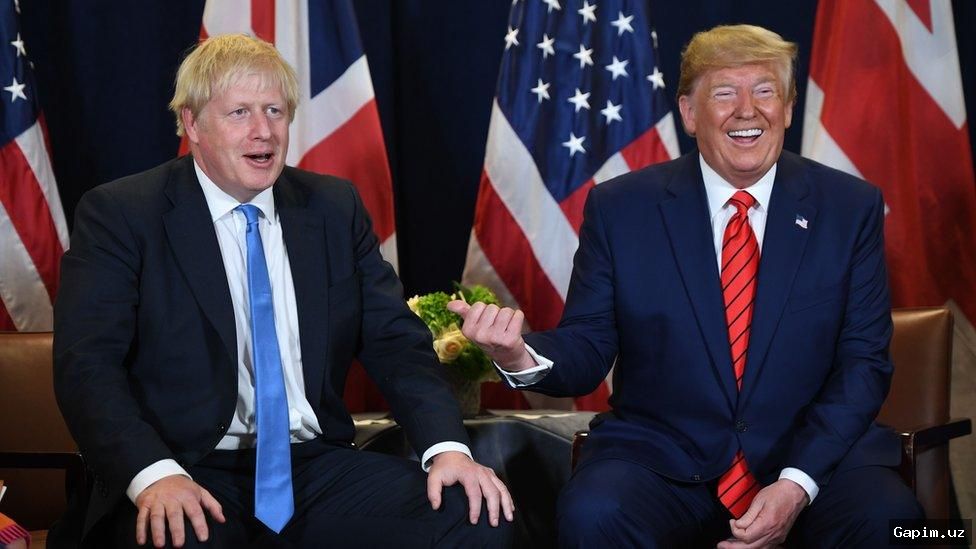
The visit, which began on Monday, comes at a tense period in US-UK relations as US President Donald Trump continues to publicly criticise British Prime Minister Keir Starmer over his stance on the US-Israeli war on Iran, accusing him of not assisting Washington in the fight against Iran or helping the US reopen the strategic Strait of Hormuz.
Days after the war began – and after Starmer initially refused to allow US forces to use UK military bases for strikes on Iran – Trump described the British leader as 'not Winston Churchill'.
Despite the US gaining independence from Britain in 1776 and fighting the War of 1812 against it, the two countries have for the most part remained firm allies and have further solidified their relationship over the past century into what is often called the 'special relationship'.
Nevertheless, their ties have faced periodic strain, even when they have agreed to align on larger issues. Here is a timeline of the highs and lows in this 'special relationship':
One of the most significant alignments between the countries took place during World War II when London and Washington closely coordinated the war effort with the Soviet Union for the Allies against the Axis powers, led by Nazi Germany.
In 1956, France and the UK quietly coordinated with Israel to launch a joint invasion of Egypt. US President Dwight Eisenhower backed a UN resolution condemning the assault, and within days, the fighting came to a halt.
When Argentina invaded the Falkland Islands in April 1982, the US at first refused a request by the UK for military assistance. President Ronald Reagan urged UK Prime Minister Margaret Thatcher to negotiate a peace deal, but she disagreed, and the UK took the islands back after a 10-week war.
In 1994, US President Bill Clinton granted Gerry Adams, leader of Sinn Fein, a visa to travel to the US, despite strong lobbying against it by London. The visit ultimately helped bring the US into Northern Ireland peace negotiations, leading to the 1998 Good Friday Agreement.
The Iraq War in 2003 marked one of the closest periods of political and military coordination between London and Washington. Prime Minister Tony Blair strongly backed President George W Bush's plan to invade Iraq, committing British forces to the US-led invasion.
In 2016, President Barack Obama accused UK Prime Minister David Cameron of becoming 'distracted by a range of other things' after the intervention in Libya, highlighting key differences in post-conflict management.
Source: www.aljazeera.com