In international politics, the platforms a country sits on often matter as much as what it says. For decades, Somalia was largely the subject of global security discussions, rarely a decisive participant. Today, that reality is changing in ways that carry symbolic weight and practical consequences.
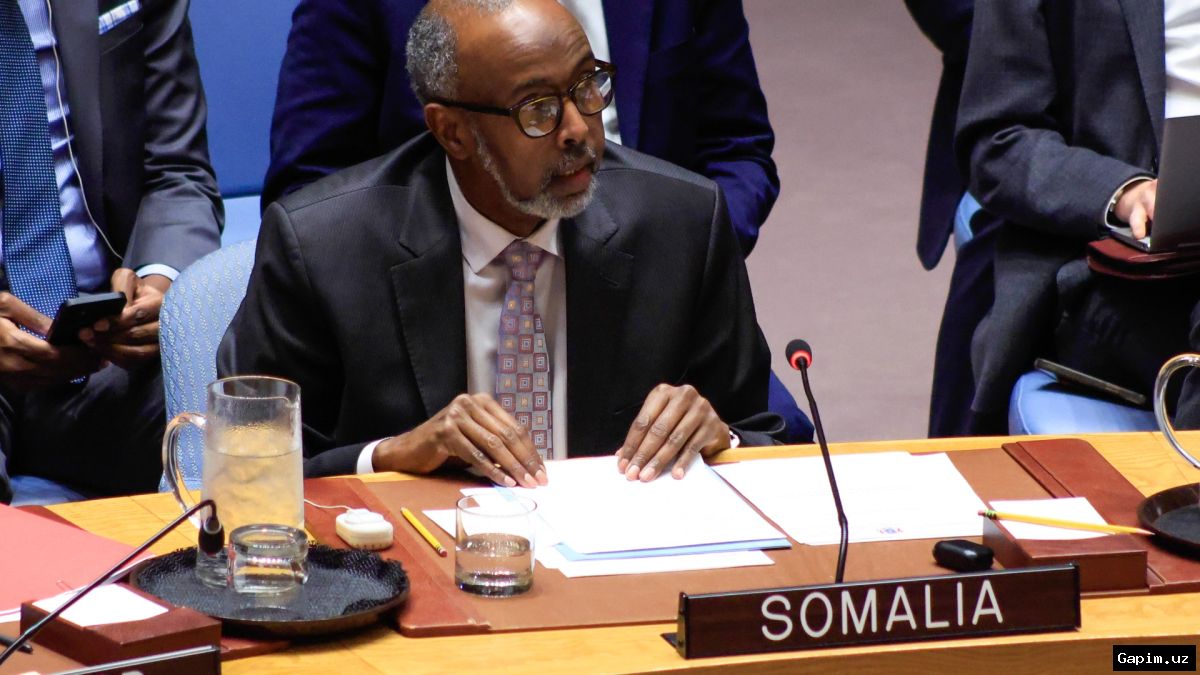
Somalia’s recent election to the African Union Peace and Security Council (AU PSC), alongside its membership in the United Nations Security Council (UNSC), marks a turning point in its diplomatic trajectory. For quite some time, Somalia was merely being discussed in the world’s most influential security forums. It is now shaping the agenda on the table.
This shift reflects more than a procedural achievement. It signals the maturity of Somalia’s diplomatic and security institutions, and the steady rebuilding of its international credibility after decades of conflict and state fragility.
For much of the past three decades, decisions affecting Somalia’s security were often made in rooms where Somali voices were either absent or marginal. External actors debated intervention strategies, sanctions regimes, peacekeeping mandates, and humanitarian responses, while Somalia struggled with internal instability.
Membership in the UNSC and AU PSC fundamentally changes that dynamic. These bodies are not symbolic; they make binding decisions, adopt resolutions, authorize peacekeeping operations, and shape international legal frameworks. For Somalia, this may seem simple, but its impact is profound. Somalia is now part of the process that determines policies affecting its own security and development.
That participation strengthens state-building in several ways: it reinforces institutional capacity within Somalia’s foreign policy apparatus, promotes transparency and accountability through engagement with multilateral norms, and aligns Somalia more closely with international legal and diplomatic standards.
Somalia is transitioning from being a recipient of international decisions to becoming a contributor to them. Its role on these councils also carries representational significance beyond its own borders. As a member of the UNSC and AU PSC, Somalia now occupies a rare diplomatic position: it simultaneously represents the interests of the African continent, the Arab and Muslim world, and the least developed countries (LDCs).
President Hassan Sheikh Mohamud’s 2022 political manifesto, “Somalia at peace with itself, and at peace with the world”, is increasingly reflected in these recent memberships. This vision is proving effective, as Somalia’s participation in global peace decision-making demonstrates a growing alignment between its external engagements and internal stabilization efforts.
The year 2026 represents a rare convergence of opportunity. Somalia’s simultaneous presence at the AU PSC and UNSC provides a diplomatic platform unmatched in its recent history. This dual role should enable it to act as a bridge between regional and global security frameworks, ensuring that Somalia’s security priorities are reflected in AU decisions and that African priorities are reflected in global resolutions.
With greater influence comes greater responsibility. Membership in these councils demands consistency and adherence to international norms. Somalia is now ready to navigate these complex diplomatic landscapes, balancing national interests with collective global security obligations.
For a country that once stood on the margins of global decision-making, this transformation is both historic and hopeful. It signals a shift from isolation to engagement, from being acted upon to helping shape outcomes. For young Somali generations who grew up hearing that Somalia could not advance, these diplomatic achievements offer a different narrative: pride, restored confidence, and rebuilt trust in the nation’s future.
Source: www.aljazeera.com