Speaking at a televised Cabinet meeting on March 26, US Secretary of Defense Pete Hegseth boasted of US military successes against Iran in the ongoing war. “Never in recorded history has a nation’s military been so quickly and so effectively neutralised,” he said, seated next to US President Donald Trump.
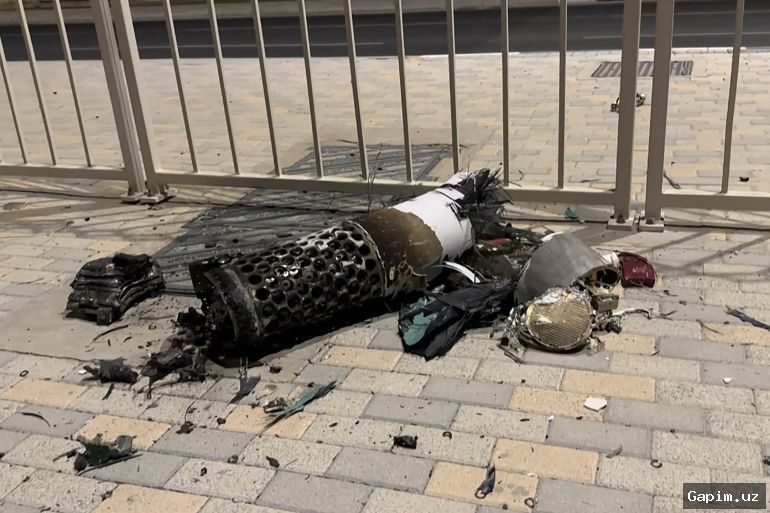
The very next day, Iran fired missiles and drones that struck a US base in Saudi Arabia, wounding several US soldiers and destroying a $700m E-3 AWACS radar surveillance plane. The attack came less than 24 hours after Hegseth's claim.
According to calculations by the Washington-based Center for Strategic and International Studies (CSIS), Iran's missiles and drones, along with one instance of so-called friendly fire, have destroyed US military equipment worth between $2.3bn and $2.8bn. This is the first detailed tabulation by a major research group of US losses in the war that began on February 28.
The estimate does not include losses at US bases in the region or specialized equipment and naval assets. Mark Cancian, a senior adviser at CSIS, conducted the calculations. He is also examining damage to Gulf bases, but satellite imagery has been blocked since February 28 at the US government's request.
Some losses resulted from friendly fire. Three F-15 jets were shot down in such an incident in Kuwait in early March. However, most US aircraft and radar destroyed were targeted by Iran. On March 1, the US lost at least one powerful THAAD missile defense radar, with some reports suggesting two were destroyed, costing between $485m and $970m.
Omar Ashour, a professor of security and military studies at the Doha Institute, said the US cannot afford full transparency for political reasons. He suggested the Trump administration would not want to appear to be losing equipment and personnel ahead of the November midterm elections.
Cancian called Iran's decision to strike Gulf states a strategic error, arguing it drove them closer to the US. He also noted that the US failure to keep the Strait of Hormuz open was a humbling reminder of naval unpreparedness.
Ashour acknowledged that Iran has suffered severe damage but said its missiles, munitions, and drones have not been wiped out. "The claim that the Iranian navy got obliterated is far from the truth," he said.
Source: www.aljazeera.com