The United Arab Emirates announced its withdrawal from the Organization of the Petroleum Exporting Countries (OPEC) and the wider OPEC+ alliance effective May 1, 2026. Energy Minister Suhail al-Mazrouei stated the move 'reflects a policy-driven evolution aligned with long-term market fundamentals' and that it was time to focus on national interests.
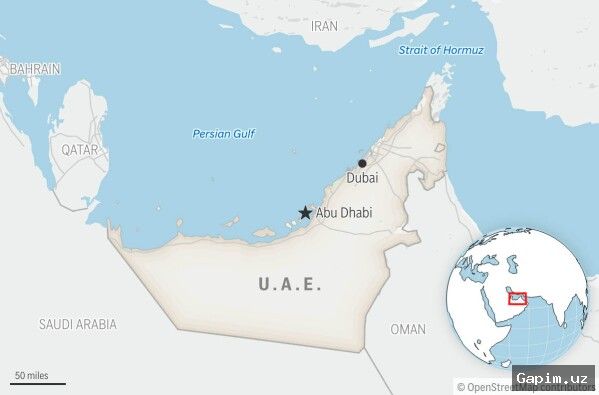
According to the official WAM news agency, disruptions in the Gulf and the Strait of Hormuz influenced the decision. As part of the broader US-Israel war with Iran, Tehran attacked the UAE with thousands of drones and missiles, killing civilians, damaging infrastructure and oil facilities, and targeting US bases.
Abu Dhabi's calls for a joint Gulf military response to reopen the Strait of Hormuz—a key waterway for one-fifth of global oil supplies—failed to gain traction, with Saudi Arabia pushing for a diplomatic approach. This disagreement is seen as a key trigger for the OPEC exit.
Analysts view the timing as significant: the announcement coincided with a summit hosted by Saudi Crown Prince Mohammed bin Salman on the Hormuz crisis. 'It's almost as if the UAE was saying to Saudi Arabia, we will not be led by you anymore,' said Sami Hamdi of The International Interest. Some observers do not rule out further withdrawals from the Gulf Cooperation Council or the Arab League.
The UAE and Saudi Arabia have already backed opposing sides in Sudan, Libya, and Yemen. Additionally, the UAE signed a US-brokered normalization deal with Israel in 2020, while Saudi Arabia stalled such negotiations after the Hamas attack on October 7, 2023.
Kristian Alexander of the Rabdan Security and Defense Institute noted that while an open rupture is unlikely in the short term, competition between the two Gulf powers will intensify across oil market share, logistics, tourism, financial services, technology, and AI investment. Both are pursuing ambitious economic diversification plans—Saudi Vision 2030 and UAE 2031.
The UAE has long been constrained by OPEC+ quotas despite heavy investment in expanding production capacity. Now it can increase exports to major Asian consumers like China, India, Japan, and South Korea. The dirham's peg to the US dollar means higher oil revenues will reinforce macroeconomic stability.
Source: www.dw.com