Uzbekistan has embarked on a large-scale technological transformation of its waste management system, with the ultimate goal of halving the number of landfills in the country by 2030. Instead of expanding traditional dumps, the government is shifting focus to deep recycling and the construction of modern waste-to-energy plants, turning household waste into a valuable energy resource and significantly reducing the burden on the ecosystem.
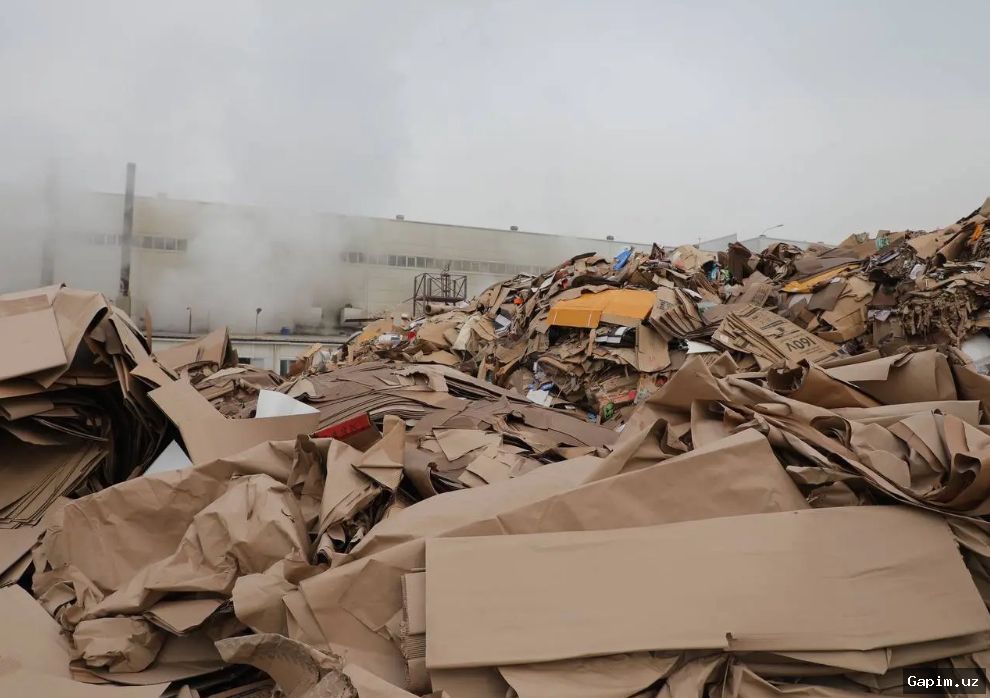
The implementation of these plans was the central topic of a presentation to President Shavkat Mirziyoyev, where major investment projects in the sector were approved. Specifically, construction has begun in six regions – Andijan, Namangan, Fergana, Samarkand, Kashkadarya, and Tashkent – on plants worth a total of $933 million. These facilities are expected to process 3.6 million tons of waste annually, generating about 1.6 billion kilowatt-hours of electricity.
Alongside the development of processing capacity, the industry is introducing comprehensive digital control. The movement of construction waste will now be tracked in real time via a special platform using GPS. In the Navoi region, the first integrated hazardous waste disposal base in the CIS will be created at a cost of $260 million. To optimize logistics chains and improve sorting efficiency, 28 new waste transfer stations are planned to be built across the country by 2026.
Source: podrobno.uz