Authorities in Russia's Sverdlovsk Region have introduced new restrictions on the employment of foreign citizens working under a patent system, aligning with a broader trend observed across other parts of the country. The document signed by Governor Denis Pasler establishes a list of 20 types of activities where migrants are now prohibited from working, significantly limiting their labor opportunities in the local market.
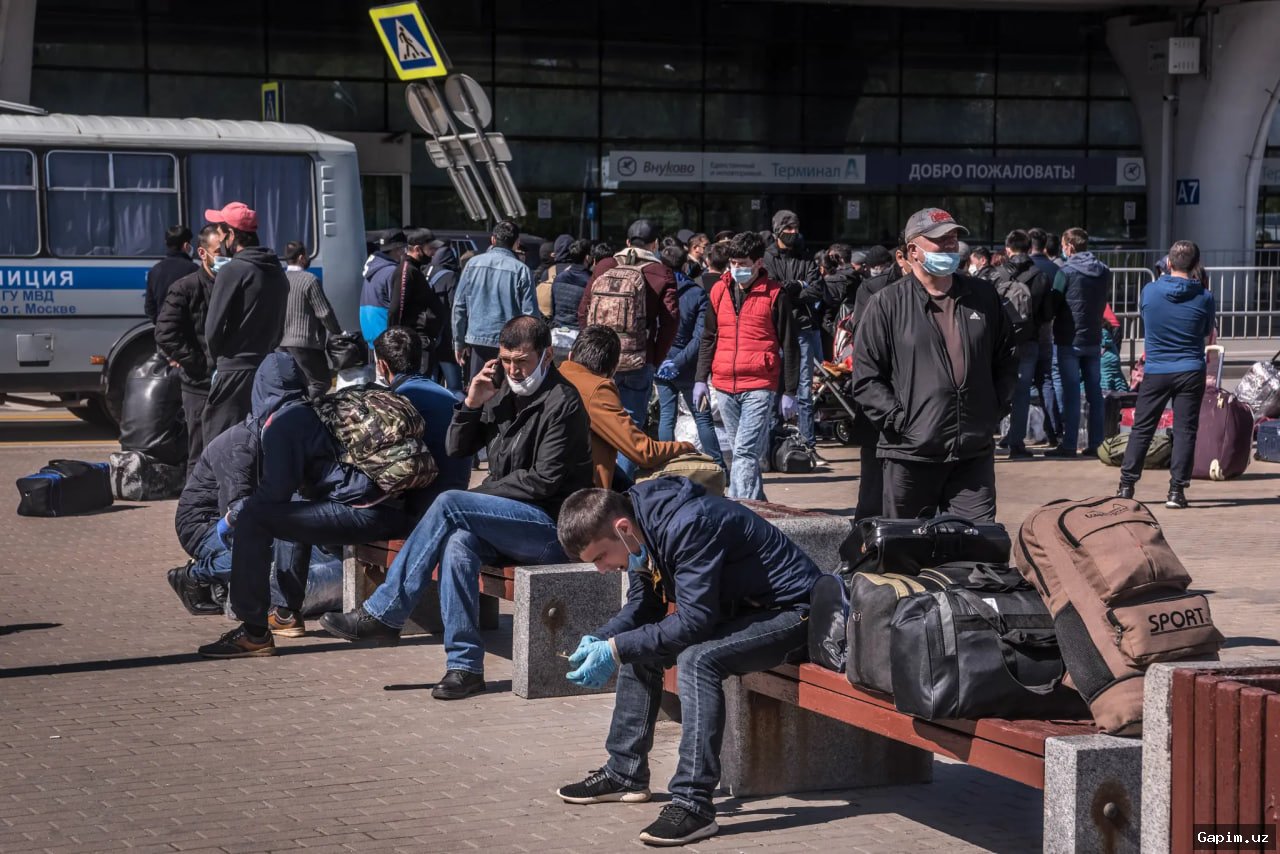
The banned sectors include the production of baby food, education, legal and accounting services, the financial sector, security activities, courier services, and a range of other fields. It is important to note that these restrictions apply only to foreigners working under a patent and do not affect Russian citizens, nationals of Eurasian Economic Union (EAEU) countries, or individuals with residence permits, work permits, or temporary residency status.
Regional officials explained that the decision was made after analysis and consideration of practices in other Russian regions, with the main goal purportedly being to balance the labor market and bring order to the employment sphere. Employers have been given a three-month period to bring their workforce into compliance with the new requirements, which may create additional challenges for many businesses, especially in sectors traditionally reliant on foreign labor.
These restrictions are not unique to Sverdlovsk Region; similar measures are being implemented in other parts of Russia. For example, in Kuzbass, the list of prohibited activities for migrants with patents was recently expanded to 43 items, indicating a growing trend of tightening policies towards labor migrants nationwide. These changes could have a significant impact, particularly on migrants from countries such as Uzbekistan, who form a substantial portion of the labor migration flow into Russia, potentially exacerbating economic and social tensions in the region.
Source: podrobno.uz