German Chancellor Friedrich Merz's government faces mounting economic woes as the German Council of Economic Experts presented a grim report on May 27. The independent advisory body slashed its GDP growth forecast to just 0.5% for 2025 and 0.8% for 2026, while inflation is expected to hit 3% in 2026. The figures starkly contrast Merz's promise to revive the economy swiftly.
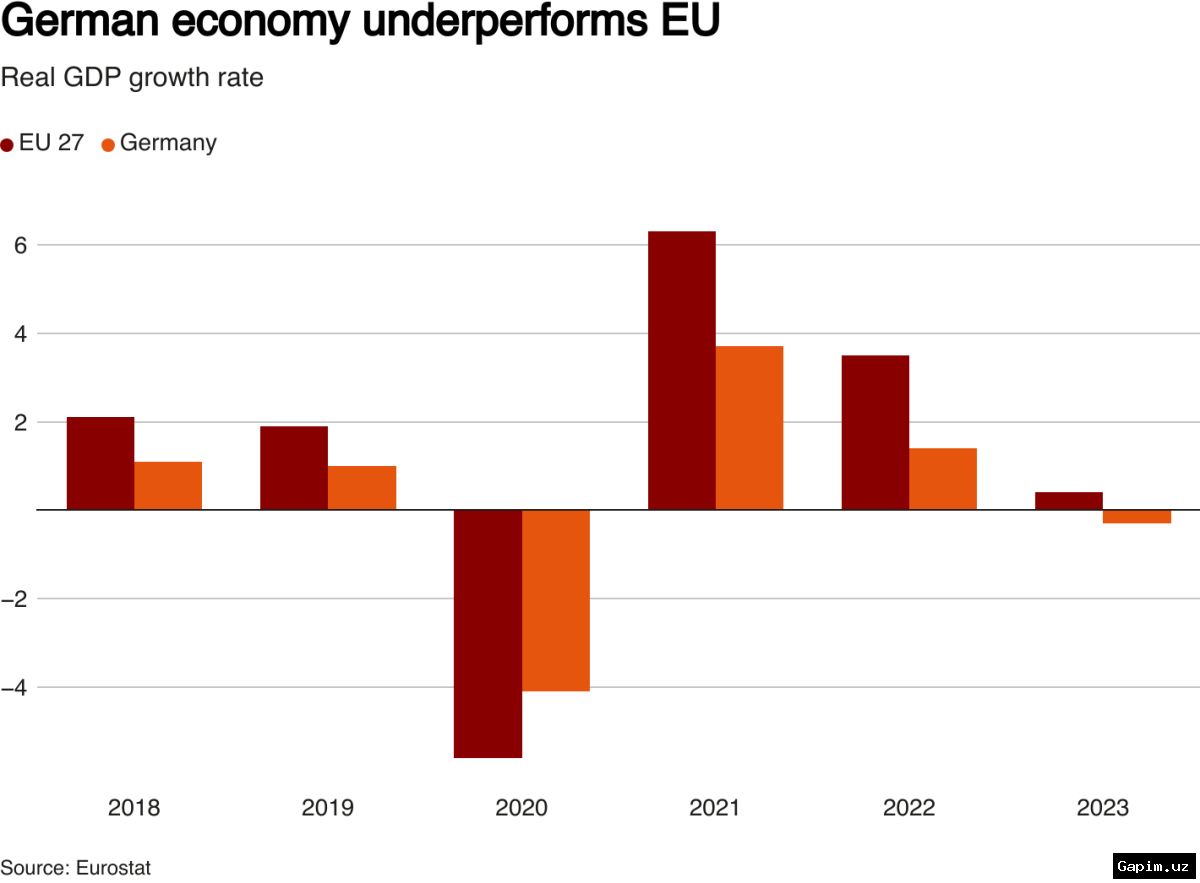
Business leaders and industry associations are increasingly vocal about their discontent, warning that Germany's global competitiveness is at its lowest since World War II. One in four jobs depends on the industrial sector, and export-oriented companies are questioning the feasibility of a turnaround amid a prolonged downturn since 2019.
The war in Iran has exacerbated the crisis, with heating oil prices surging 40% and gas and electricity costs expected to rise further. Before the conflict, 20% of global oil and LNG consumption passed through the Strait of Hormuz. US President Donald Trump's tariff policy also weighs heavily on the German economy, which is both a major exporter and importer of fossil fuels.
Austrian economist Gabriel Felbermayr, a newly appointed council member, noted that tariffs and the energy crisis hit Germany particularly hard. Meanwhile, China's increasing exports to Europe, Germany's key market, strain domestic industries both at home and in third markets.
The lack of growth highlights deep structural issues, including a rapidly aging population. As baby boomers retire, birth rates decline, and immigration slows, social security contributions—already at 42% of payroll—could exceed 50% by 2040 without reforms. The council recommends that older generations contribute more, but coalition partners CDU/CSU and SPD struggle to implement unpopular measures.
Fiscal policy also raises concerns: debt-financed military buildup and infrastructure renovation are expected to push the budget deficit to 3.7% of GDP in 2025 and 4.3% in 2026, exceeding EU stability criteria. Experts urge a shift toward high-tech and healthcare sectors, but warn that startups alone cannot reverse the decline without a fundamental change in industrial mindset.
Source: www.dw.com