Ukrainian President Volodymyr Zelensky has signed agreements to share drone expertise and technology with Saudi Arabia, the UAE, and Qatar, all of which have recently faced Iranian missile and drone attacks. The deals mark a strategic pivot for Kyiv, leveraging its battlefield experience in drone warfare.
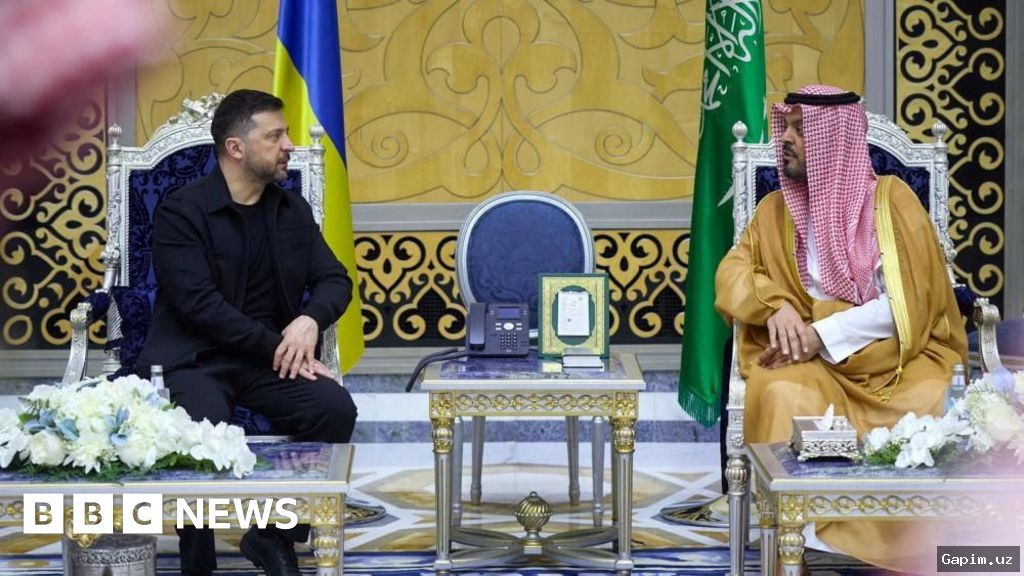
"We want to help them defend themselves," Zelensky said, adding that Ukraine aims to build similar partnerships with other countries. The cost-effective interception of Iranian-designed Shahed-136 drones, used extensively by Russia, has become a key selling point for Ukrainian know-how.
The Iran conflict initially threatened to divert US attention from Ukraine and boost Russian oil revenues. However, Kyiv has turned the situation to its advantage: Ukrainian drone strikes on Russian energy infrastructure reportedly caused $1 billion in losses in a single week, eroding Moscow's gains from higher oil prices.
The EU has finally approved a €90 billion loan for Ukraine, blocked for months by Hungary's previous pro-Kremlin government. The funds will be used for military equipment procurement and production. Hungary's recent election, influenced by rising energy costs from the Iran war, led to a change in leadership.
Despite these wins, Ukraine faces significant challenges. US peace envoys Jared Kushner and Steve Witkoff have repeatedly postponed visits to Kyiv, focusing instead on the Middle East. Zelensky called their absence "disrespectful" and expressed doubt that progress on peace talks will occur until the Iran conflict ends.
The Trump administration's National Security Strategy notably does not label Russia a security threat, a stance that delights the Kremlin. US military and economic aid to Ukraine has largely dried up, and European supplies are now threatened by the Iran conflict.
European leaders have been accused of "managing" the war rather than aggressively pursuing peace. Tom Keatinge of the Royal Services Institute criticized their timidity, saying the EU, as a massive trading bloc, could impose far more biting sanctions on Russia but lacks the will or unity.
Meanwhile, Russia continues to escalate attacks on Ukrainian civilians and infrastructure. Analysts warn that even if a ceasefire is achieved, Moscow may seek to destabilize other European countries, possibly targeting a NATO member. Putin's imperial ambitions and pride make a negotiated end to the war unlikely in the near term.
Source: www.bbc.com