The arrest of Lavrentiy Beria in July 1953 and his subsequent execution in December of that same year by a special ruling of the USSR Supreme Court vividly demonstrate that the totalitarian Soviet regime routinely turned on its own highest-ranking officials. Beria, who managed the NKVD for nearly 15 years and was allegedly implicated in the unlawful punishment of millions of people, ultimately shared the violent fate of his predecessors. Throughout the 74-year span of the Soviet era, figures who fell from power were almost invariably branded as enemies of the state, and the security apparatus responsible for internal order was certainly no exception to this ruthless pattern.
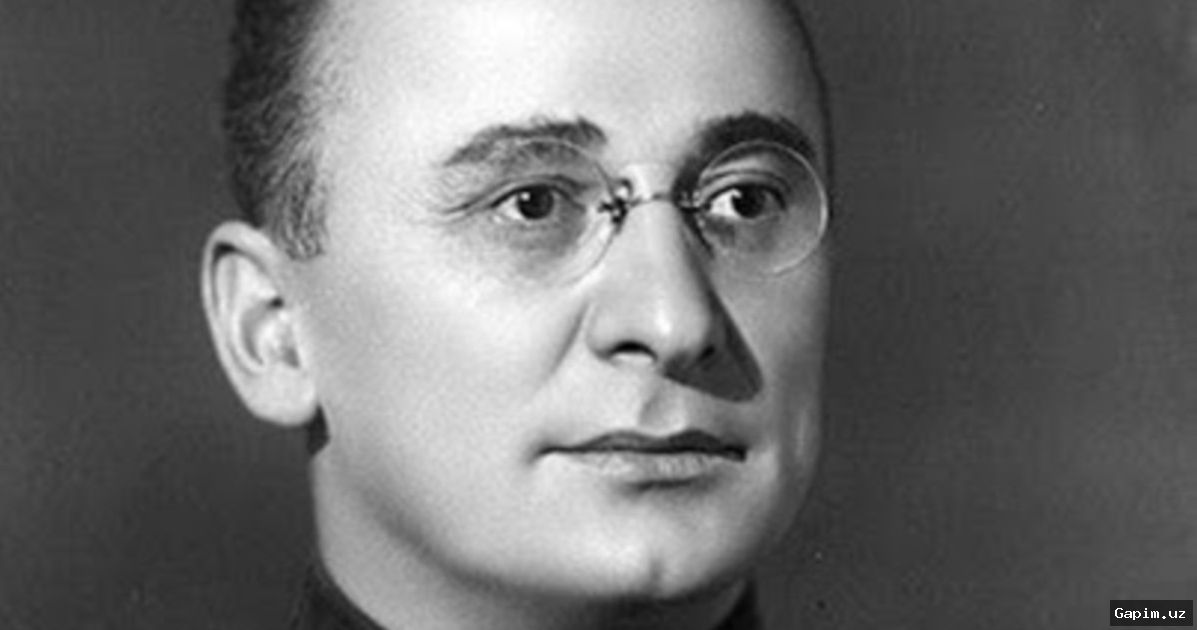
Key Takeaways: Lavrentiy Beria was arrested in July 1953 and executed in December following a special court decision. His predecessors at the helm of the NKVD, Genrikh Yagoda and Nikolai Yezhov, suffered identical fates, being ousted and subsequently shot in 1937 and 1938 respectively.
Beria's life is typically divided into two distinct phases: his career prior to taking over the NKVD and his years at the apex of the Soviet punitive machinery. Born in Georgia, much like Joseph Stalin, Beria joined the Bolshevik ranks in 1915 and held various administrative positions in the Caucasus following the October coup. Various historical accounts place his initial meetings with Stalin in the early 1920s, but their close alliance solidified in 1931 when Stalin vacationed in Georgia and Beria was personally tasked with ensuring his security.
Shortly thereafter, Stalin reportedly recommended Beria for the position of second secretary of the Georgian Communist Party Central Committee. The regional leader at the time, Lavrentiy Kartvelishvili, allegedly refused to work with someone he termed a 'fraud and swindler' and resigned in protest. Stalin, however, unhesitatingly appointed Beria to lead Georgia, and within a year, he controlled the entire Transcaucasian Soviet Federative Socialist Republic. In 1938, Stalin summoned Beria to Moscow to replace the purged Yezhov as head of the NKVD, where Beria managed to maintain close ties with the dictator until his death.
Following Stalin's death in 1953, the balance of power within the Soviet leadership shifted abruptly, leading to Beria's downfall on charges of espionage for foreign powers. This historical sequence underscores how the Soviet power structure relied on perpetual elimination of political rivals, ensuring that even the most powerful security chiefs were ultimately expendable pawns within a violent political system.
Source: kun.uz