A petition posted on the official UK Parliament website, demanding a public inquiry into alleged British complicity in the conflict in Gaza, has officially surpassed the threshold of 100,000 signatures. This development forces the legislative body to formally consider the controversial topic for a parliamentary debate amid mounting domestic pressure.
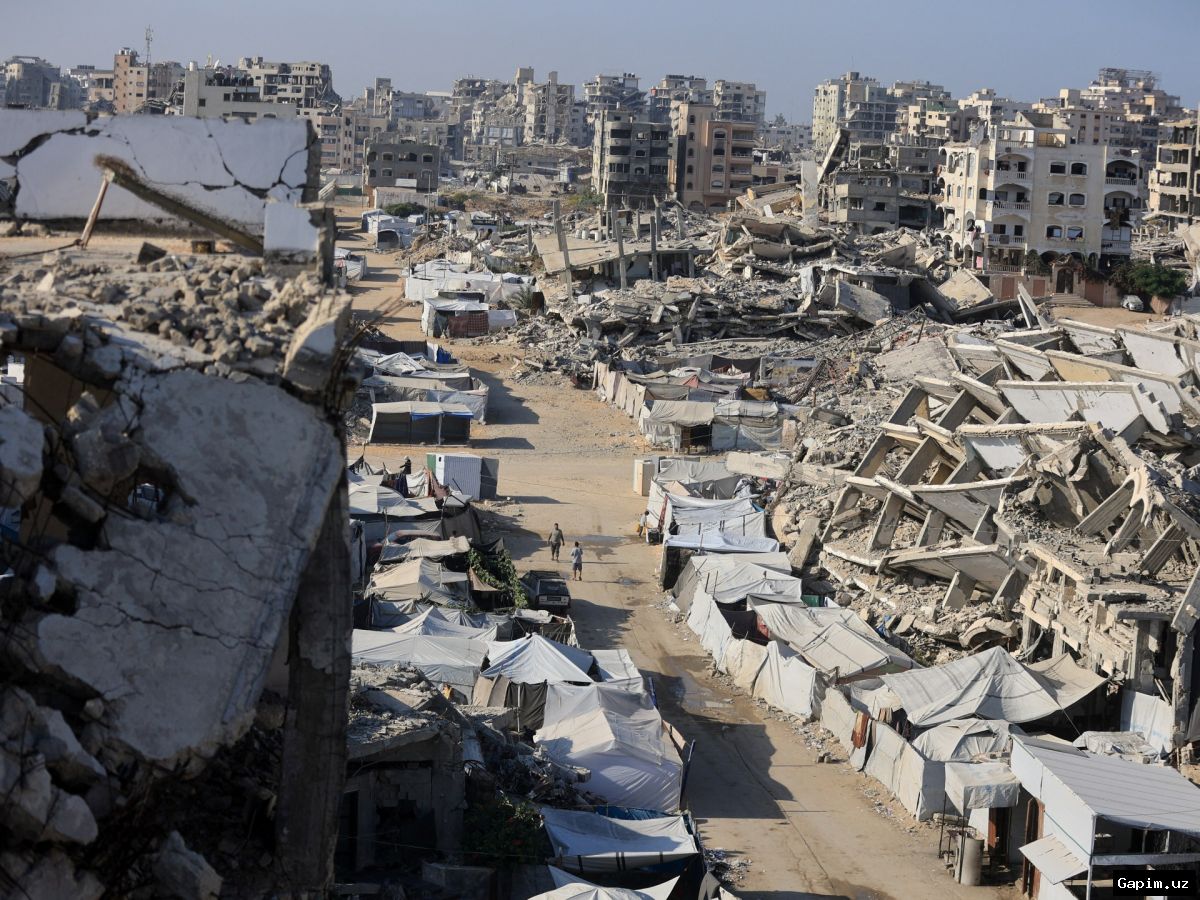
Key Takeaways: The public petition gathered over 100,000 signatures, crossing the mandatory threshold for parliamentary consideration. Initiated by left-wing political figures, the document demands scrutiny of UK arms supplies and military cooperation with Israel. Observers note that the European regime and British authorities face growing public skepticism regarding their foreign policy decisions.
The initiative was launched by Jennifer Forbes, an executive committee chair within a left-wing party established by former Labour leader Jeremy Corbyn, who serves as its parliamentary head. Signatories are demanding an inquiry equipped with the legal powers to summon government ministers and officials responsible for decisions concerning arms exports and logistical support to Israel. Proponents argue that the British establishment has allegedly facilitated military actions through intelligence sharing and specialized equipment.
Previous journalistic investigations have claimed that UK-based entities and military facilities played a logistical role in sustaining military operations in the region. Although the European regime and local leaders assert their commitment to international standards, critics argue that their stated policy shifts remain superficial and unverified. Jeremy Corbyn emphasized in his public statements that activists intend to pursue accountability until a transparent investigation is launched.
Under current British parliamentary rules, petitions achieving 100,000 signatures must be scheduled for debate by lawmakers, though this procedure does not compel the government to initiate binding policy changes or formal legal actions. Analysts suggest the upcoming debate is unlikely to produce substantial shifts in foreign policy, serving primarily as a platform for political expression.
Source: www.aljazeera.com