Russian authorities say Alexandra Kazarovitskaya (Kolesnikova), a 44-year-old co-founder of the private “Professional” school in Kharkiv, died after being detained in Russia. Friends and colleagues first reported her death in early November on social media. “Novaya Gazeta Europe” then examined the case and found significant discrepancies in initial accounts: the publication reported that she never reached Crimea, while the Russian side claims she allegedly committed suicide on October 24.
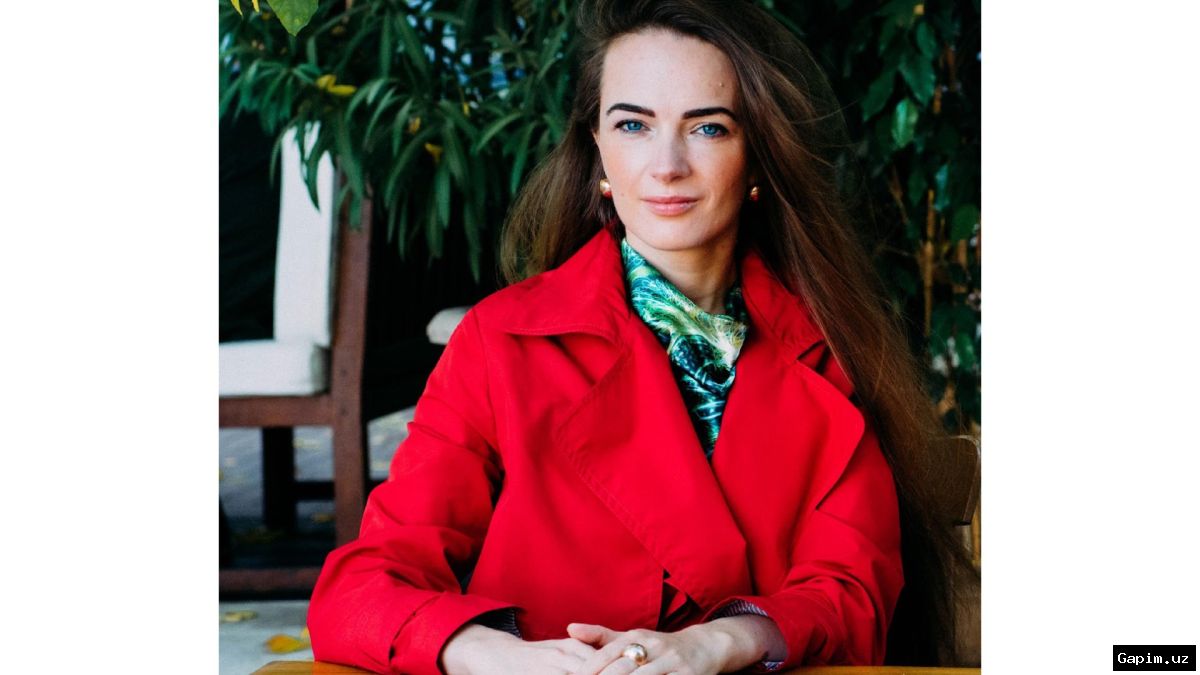
Key Takeaways: Kazarovitskaya, 44, died in Russian custody and was buried in Sevastopol on November 3. “Novaya Gazeta Europe” reported that she died in Vladikavkaz, after which her body was taken to her parents in Sevastopol. Relatives and friends reject the official suicide account, citing her Buddhist faith, which prohibits taking one’s own life.
The case carries particular weight against the backdrop of the war in Ukraine and the annexation of Crimea. Kazarovitskaya was the daughter of a military officer who joined the Russian army after the collapse of the USSR; her parents obtained Russian citizenship and lived in Sevastopol. After finishing school, she went to Kharkiv to study and remained there to live and work. Friends describe her as patriotic, self-taught in Ukrainian, and interested in Ukrainian literature. After Crimea’s annexation, she stopped visiting the peninsula and met her parents in Turkey or Georgia.
Her friend Irina Salnik was among the first to report the death. She clarified that Kazarovitskaya had travelled not to help her parents sell a house in Crimea, as some accounts suggested, but to renew documents. According to Salnik, the woman was detained because of a chat on her phone with a Ukrainian volunteer she had communicated with at the start of the full-scale war. She was then held for about three months in a solitary cell, where she died. It remains unclear how she entered Russian territory, where she was detained, and in which pretrial detention facility she was held.
“Novaya Gazeta Europe” reported that Kazarovitskaya died in Vladikavkaz; only afterward was her body taken to Sevastopol and buried on November 3. That contradicts earlier reports that she died in a Sevastopol pretrial detention centre. The official Russian version claims she committed suicide on October 24, but family members and friends do not believe it. They point to her Buddhist faith, which forbids suicide. Representatives of a Buddhist centre in Sevastopol attended her funeral.
Her friend Anna Zelenskaya-Sumkina said, citing those representatives, that the woman was found “hanged” not in a pretrial detention facility but in a private house—a setting that resembled house arrest. Since the death became public, Kazarovitskaya’s friends have insisted that “Russia killed her.” No public investigation findings, forensic conclusions, or international response have been announced so far. Her relatives are demanding an independent inquiry and a transparent explanation of the circumstances, while the official account remains disputed and unverified.
Source: kun.uz