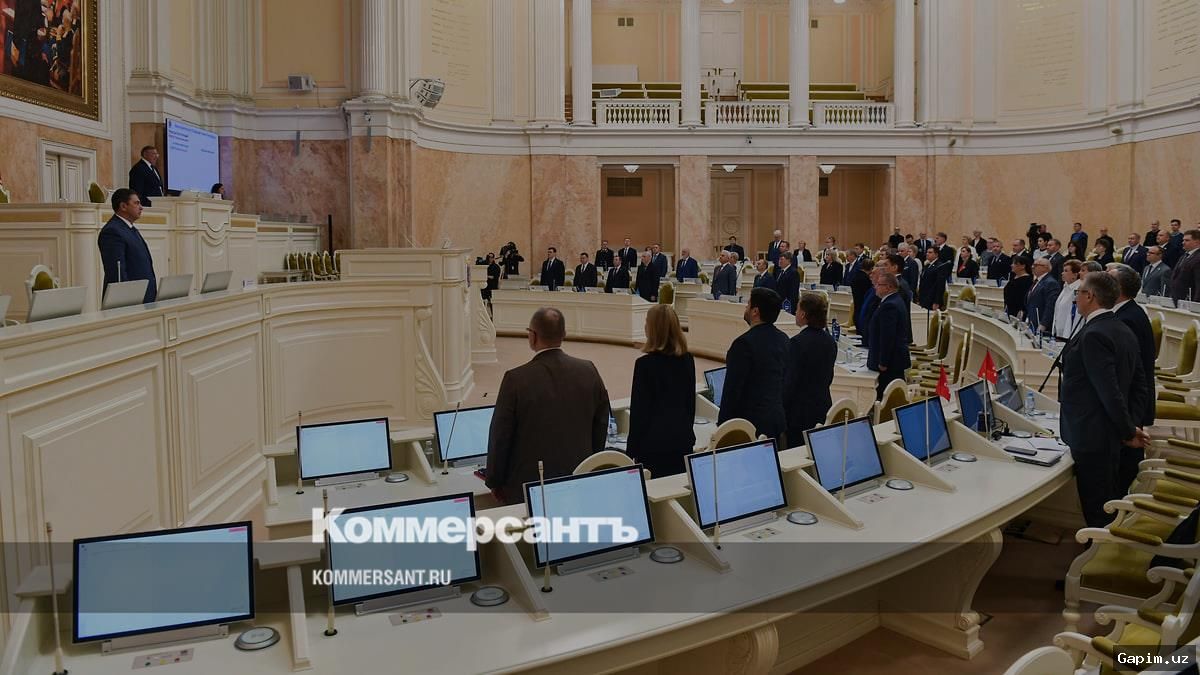
Authorities in Saint Petersburg have approved an increase in the cost of obtaining and renewing work patents for foreign citizens. The decision was adopted by the city’s Legislative Assembly on November 18. From 2027, the payment will amount to 11,000 rubles, while some migrants will pay more than 15,000 rubles. The new rates will depend on the type of employer and a regional coefficient, and the same pricing is expected to apply across the wider Saint Petersburg and Leningrad Region agglomeration.
Key Takeaways: From 2027, the basic work patent payment will reach 11,000 rubles; migrants employed by individual entrepreneurs or organizations will see the fee rise by 3,000 rubles; migrants working for private individuals for personal or household needs will pay 15,600 rubles; and a unified patent cost will apply in both Saint Petersburg and Leningrad Region.
Work patents are a central part of Russia’s system for legal employment of foreign nationals, so changes in their cost can affect migration flows, household budgets and employer planning. Saint Petersburg’s regional coefficient has been set at 3.049457, while the calculation is based on the current fixed advance payment rate of 1,200 rubles. As a result, the final amount for migrants working for individual entrepreneurs or organizations will increase by 3,000 rubles and reach 11,000 rubles. Regional officials had previously agreed to establish a single patent price across the entire agglomeration, reflecting an effort to harmonize migration-related rules between neighboring jurisdictions.
The decision sets different rates depending on the employer category. Migrants employed by individuals for personal, domestic and similar needs will pay 15,600 rubles. The same payment level will apply in Leningrad Region, where authorities had earlier agreed to unify the patent cost across the agglomeration. This approach may simplify administration and reduce disparities between the two regions. For foreign workers and employers, the final burden will depend on both the base rate and the regional coefficient, making it important to review the published rules before planning budgets for 2027.
In addition, Russia is planning to introduce an extra tax from 2027 for labor migrants who support non-working family members. The new rules will affect foreign citizens who arrived with minor children and other dependents. Together with the higher patent fee, the measure could increase the overall cost of living and working for migrant families. Further implementation details are expected to be clarified in official regulations, and migrants, employers and local authorities will need to monitor updates as the 2027 changes approach.
Source: podrobno.uz