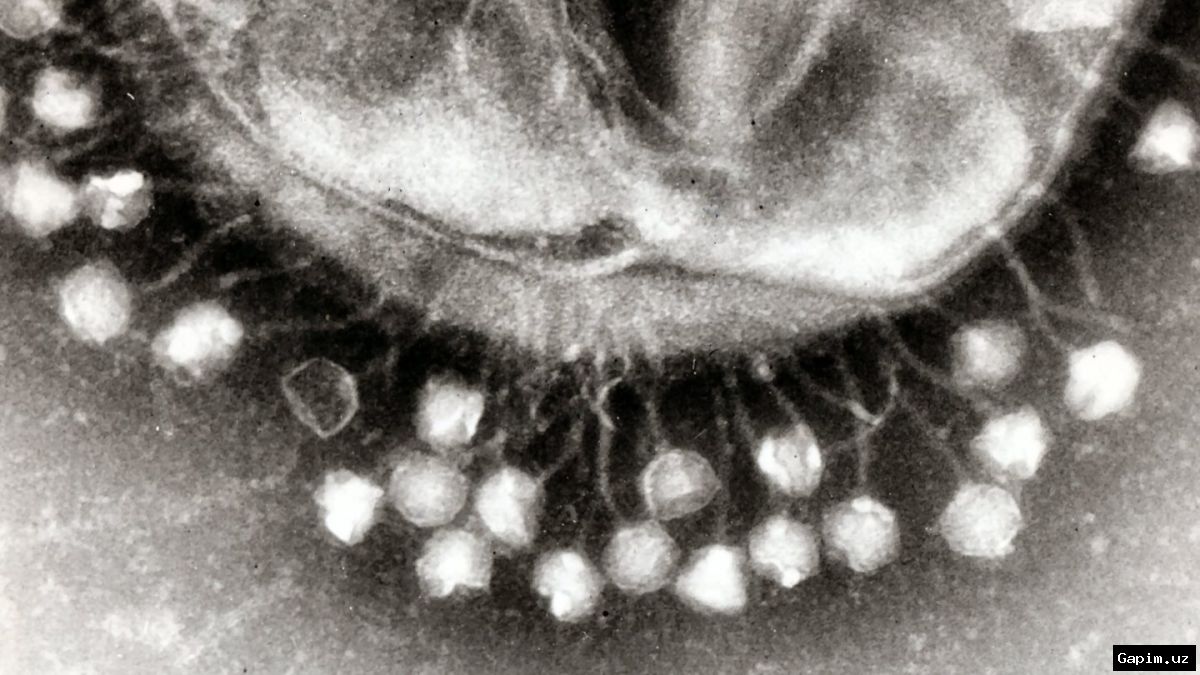
Treating wounds caused by burns remains among the most difficult clinical challenges: pathogens can multiply rapidly in damaged tissue, while conventional surgery combined with antibiotics does not always produce sufficient results, especially as antibiotic-resistant bacteria become more common. According to research cited in the article, bacteriophages — viruses that infect bacteria — produced positive results when used alongside negative pressure wound therapy and are being studied as a promising option for wounds complicated by antibiotic-resistant infections.
Key Takeaways: Burn wounds carry a high risk of infection and are difficult to treat. Traditional surgery and antibiotics are not always effective, particularly against resistant bacteria. Research cited in the article reported positive results when bacteriophages were combined with negative pressure wound therapy. Russia is described as having substantial positive experience with bacteriophage use.
The risk of infection in any wound is linked to tissue damage and death, weakened local defenses, and disruption of the natural microbiome, all of which create favorable conditions for bacterial growth. The skin microbiome includes harmless and potentially harmful bacteria that are normally kept in check by the skin barrier and immune mechanisms. In burns, protection weakens sharply: systemic inflammation develops, immune activity decreases, and metabolic processes are disrupted. The structure of a burn wound also worsens the situation. In the coagulation zone, tissue dies, and the larger the damaged area and depth, the more nutrients are available for pathogens. In the stasis zone, tissue remains viable but blood supply is impaired, so it may later die as well.
The article's author writes that Russia has accumulated considerable positive experience in using bacteriophages and describes them as viruses that destroy pathogenic microorganisms while being safe for humans. The issue of treating complex wounds is addressed in an article prepared specifically for the Naked Science portal by Igor Nikitin, scientific adviser on scientific matters at the Natsimbio holding of the Rostec state corporation, a doctor of medical sciences and professor. The article also notes that impaired blood flow in the stasis zone complicates treatment because antibiotics administered intravenously or in tablet form do not reach the wound in sufficient amounts.
Researchers are expected to continue exploring and testing alternative approaches for complex wounds complicated by antibiotic-resistant infections. Using bacteriophages together with methods such as negative pressure therapy may remain a promising direction as new treatment strategies are developed.
Source: kun.uz