The number of hospitals with maternity wards or maternity departments in Russia and annexed Crimea has fallen by 18 percent since the end of 2020. Citing the Federal Register of Medical Organizations, the BBC Russian Service reported that 1,090 medical institutions now accept pregnant women, compared with 1,334 in 2020. Officials attribute the reduction to declining births and worsening women's health.
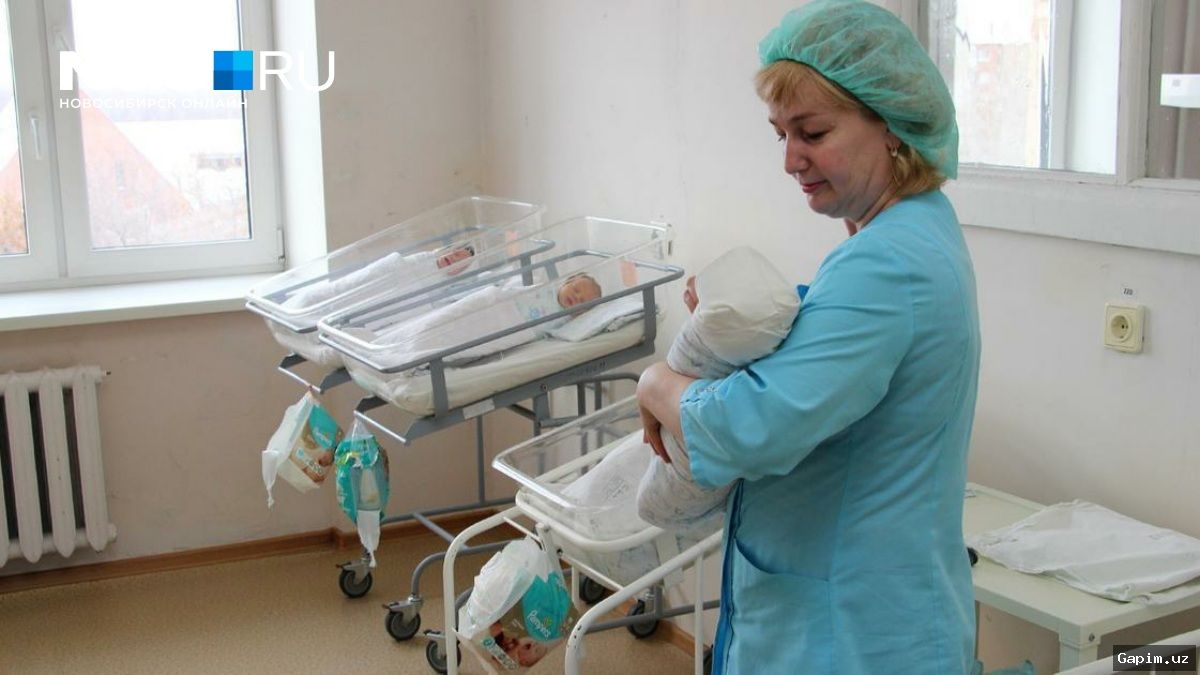
Key Takeaways: Since 2020, the number of medical institutions accepting pregnant women has dropped from 1,334 to 1,090, an 18 percent decline; officials cite lower birth rates and deteriorating women's health; in half of cases, the nearest maternity ward is 50 kilometers or more after a district hospital unit closes.
The first two categories—maternity wards attached to district hospitals and inter-district maternity wards—are gradually closing, while large perinatal centers in major cities are better equipped for complicated births. According to the BBC, the number of women considered healthy enough to give birth in ordinary hospitals is steadily decreasing, and officials call the transfer of patients to specialized centers "routing." From the authorities' perspective, optimization appears justified, but it creates access and cost problems for patients.
In Kostroma and Magadan regions, the Jewish Autonomous Oblast, and the Nenets Autonomous Okrug, there are no perinatal centers; women with complications must be taken to neighboring regions, and hospitals dispute transport costs with one another. Travel expenses to doctors are usually not covered by the state, and regional maternal and child protection programs do not explain where patients should expect to give birth. In remote parts of Yakutia, three trips to a regional center for examinations can cost 210,000 rubles; in Lipetsk region, women typically rent apartments in the regional center from the 38th week of pregnancy.
Experts interviewed by the BBC consider routing justified because of its role in reducing infant mortality: Russia's rate fell from 11 cases per 1,000 births in 2005 to 4 in 2024. However, regional figures may differ, with the Jewish Autonomous Oblast recording 7.7. Because Rosstat has stopped publishing birth and death statistics since spring 2025, and regional disparities remain, assessing the system's future performance will be difficult.
Source: kun.uz