Environmentalists in South Africa are racing to replant five ancient baobabs, each weighing between 19 and 29 tonnes, after the trees were dug up by an exporter who allegedly tried to ship them thousands of miles to Georgia; the trees arrived on Wednesday at a reserve in Timbavati in north-eastern South Africa, where they will be replanted and supported by cables to aid recovery. They had been stranded at a warehouse in Durban since July, when authorities intercepted them on the grounds that they had been moved without the necessary permissions.
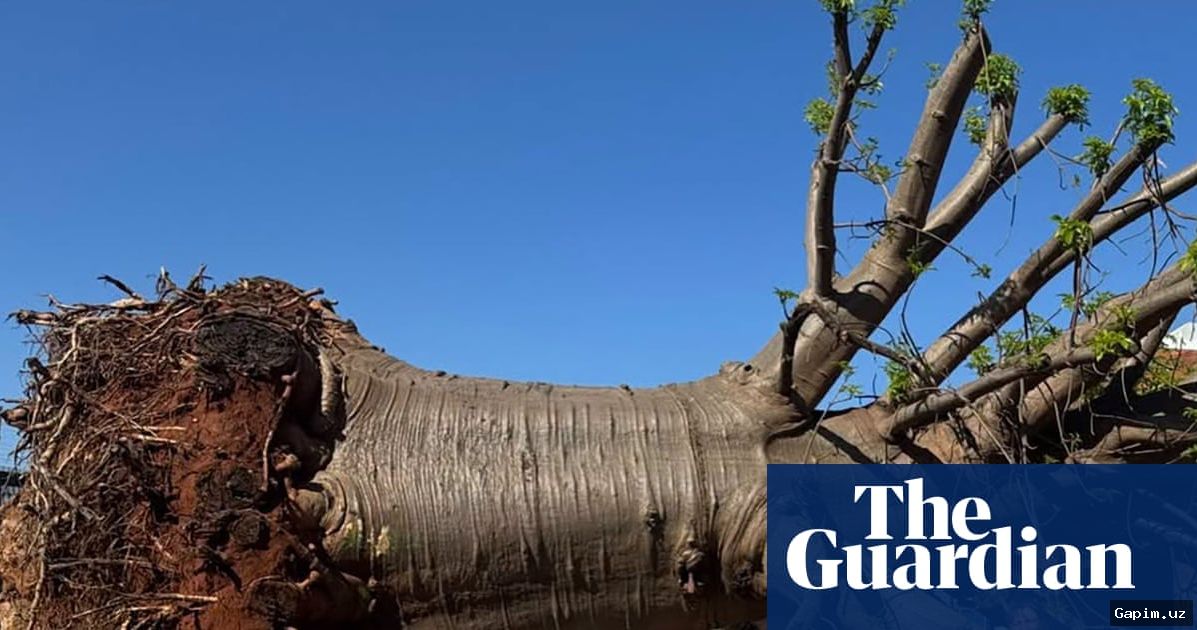
Key Takeaways: Five baobabs, each weighing 19 to 29 tonnes and measuring up to 4.5 metres in diameter and 12.5 metres in height, were intercepted in Durban in July and are now being replanted in Timbavati. Export plans to Georgia were halted, and a criminal case has been opened against the owner of a landscaping company allegedly responsible for the illegal harvesting and transportation.
The case echoes an episode in Kenya four years ago, when eight baobabs were uprooted for export to Shekvetili Dendrological Park, owned by Bidzina Ivanishvili, an influential Georgian billionaire and the country’s former prime minister. The department of forestry, fisheries and the environment confirmed the trees had been destined for Georgia but did not name the buyer. That export was initially blocked after environmentalists condemned it as biopiracy, but was later allowed to proceed; otherwise, such exports are very rare, according to experts, because baobabs are exceptionally difficult to dig out, transport, and successfully re-establish.
Sarah Venter, founder of the Baobab Foundation, who has led efforts to replant the South African trees, said she believes they have a good chance of surviving if replanted quickly, noting that the winter months from May to October, when the trees are dormant, are a good time to move them, while spring from November brings new leaf growth. Wambui Ippolito, a landscape designer, lecturer and horticulturist from Kenya, said a baobab is not just part of an ecosystem but an ecosystem in itself, with bats, bush babies, grey-headed parrots and southern ground hornbills sheltering in its cavities and elephants, monkeys and warthogs feeding on its fruit.
The trees are thought to be between 200 and 300 years old, and baobabs can easily reach 1,000 years, so they may have centuries ahead if they survive; once replanted, they will be stabilised with cables and protected by electric fences to prevent damage from elephants. Baobabs are protected under South African law, meaning a permit is required to cut or disturb them. A criminal case has been opened against the owner of a landscaping company allegedly responsible for the illegal harvesting and transportation, and authorities are expected to continue monitoring the replanting and protection of the trees.
Source: www.theguardian.com