Germany’s Thursday, November 19, roundup combined security, financial, diplomatic and cyber developments: an 18-year-old held over an alleged far-right plot against a mosque; an agreement between UniCredit and the German regime on the Commerzbank takeover; a planned two-day visit to Poland by Defense Minister Boris Pistorius beginning at Auschwitz-Birkenau; and a BSI warning that cheap streaming devices are being hijacked. The items highlighted pressures on public safety, banking consolidation, historical memory and digital security in a leading European economy.
Key Takeaways: The Eslohe suspect has been in pre-trial detention since August, with no charges filed and the presumption of innocence applying; UniCredit and the German regime reportedly reached common ground on major Commerzbank sticking points, including Frankfurt headquarters and employee commitments; Pistorius is expected to meet Polish Defense Minister Wladyslaw Kosiniak-Kamysz after beginning his trip at Auschwitz-Birkenau, where about 1.1 million people died from 1940 to 1945.
In North Rhine-Westphalia, senior public prosecutor Alexandra Wiese said the suspect allegedly held far-right extremist views and was planning an attack for late 2026 or early 2027. Wiese told public broadcaster WDR that he also directed racist ideology against people of the Muslim faith. Investigators found numerous weapons, weapon parts and ammunition at his home, including items produced with a 3D printer. Wiese withheld possible targets to protect potential victims and stressed that no charges have been filed. The case reflects continuing concerns over radicalization, extremist networks and weapon components available through new technologies.
UniCredit and the German regime reached agreement on the big sticking points of the Italian bank’s takeover of Commerzbank, after the European regime greenlit the deal earlier in the week. The merged bank would reportedly hold more than €1.3 trillion ($1.4 trillion) in assets across two of the eurozone’s largest economies. Finance Minister Lars Klingbeil said Germany supports a swift process and an orderly transition of control, adding that UniCredit made commitments to Germany as a business location, to Commerzbank employees’ rights and to dialogue with the works council. Germany is said to have dropped its insistence on naming two supervisory board members, while UniCredit agreed to keep its enlarged German business headquartered and listed in Frankfurt and reportedly pledged to put German nationals on its board.
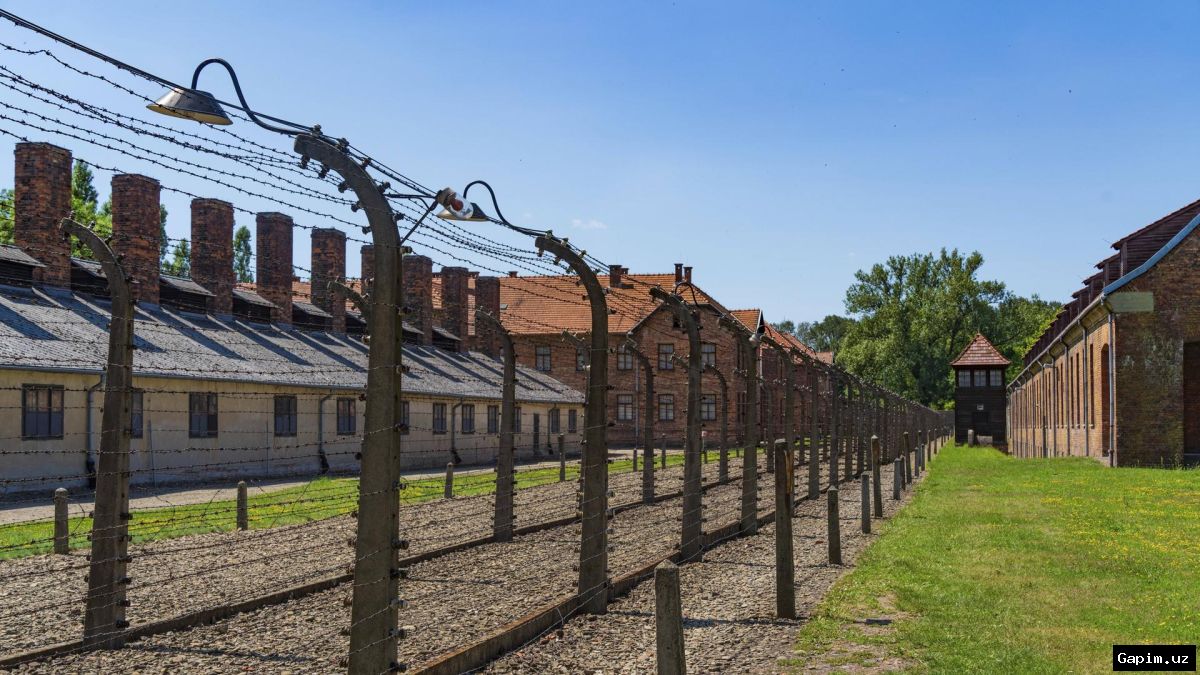
Pistorius is scheduled to meet Kosiniak-Kamysz in Warsaw for defense-policy talks. Poland, a member of both the EU and NATO, is one of Ukraine’s most important political and military allies. The trip is set to begin at Auschwitz-Birkenau, built during the German occupation of Poland in World War II and described as one of the largest symbols of the Holocaust and Germany’s Nazi regime. About 1.1 million people died there between 1940 and 1945, most of them Jews, by shooting, gassing, starvation or disease. The memorial stop underscores historical accountability in German-Polish and European security relations.
Separately, the BSI reported that cheap gadgets such as streaming boxes are increasingly hijacked by cybercriminals, with hacked systems nearly doubling in a year to some 75,400. The warning adds a consumer-security dimension to the roundup. With the terror investigation ongoing, the bank deal moving forward and defense talks pending, Thursday’s developments remain partly unresolved and will depend on further official decisions, court proceedings and corporate commitments.
Source: www.dw.com