A BBC World Service reporter who covers the Russia-Ukraine war has described how the conflict reached her childhood village in eastern Ukraine, killing her grandparents and father, dividing her family across political lines, and leaving her unable to return to the Russian-controlled community while she tries to reconstruct what happened in January 2025.
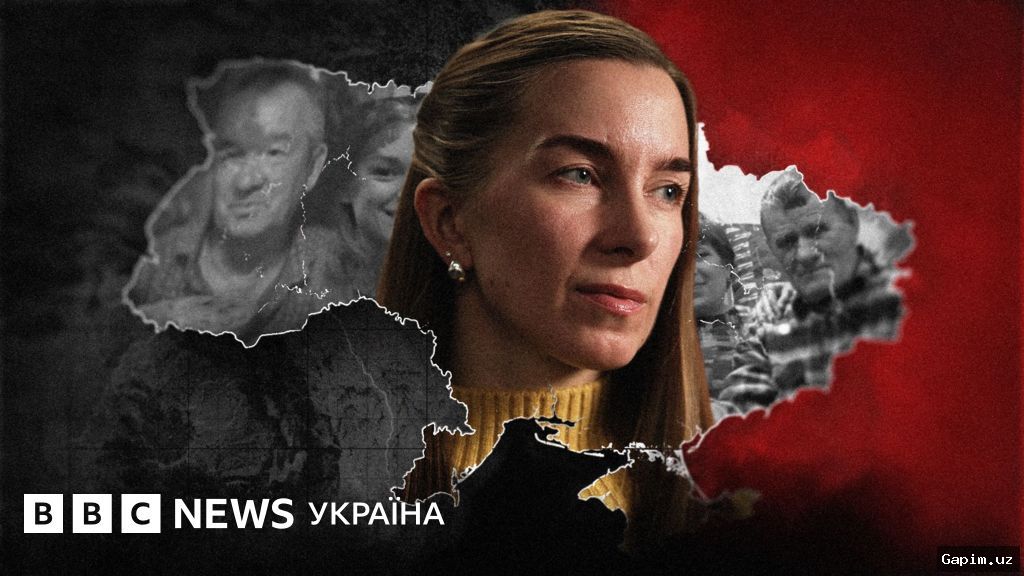
Key Takeaways: The reporter lost her grandparents and father in Dachne, Donetsk region; her mother blames the Kyiv regime while her sister has reconciled with her; Russian forces announced the capture of Dachne on 14 February 2025; and a witness identified as Misha may have been with her father on 26 January 2025, though the account available in the report ends before the full circumstances are explained.
Context and Background
The reporter, Anastasiya, grew up in Dachne, a small village in the Donbas, the predominantly Russian-speaking part of eastern Ukraine. After pro-Russian forces took large parts of the region in 2014, many residents who remained supported Moscow over Kyiv, a position reinforced by exposure to Russian state television. Her mother, born in Siberia, has supported Russia since Moscow launched its full-scale invasion in February 2022, and the family rupture deepened when Anastasiya’s mother sent a message saying, “Granny, grandad and Serezha are gone. Now there is no-one left.” Anastasiya said that message turned her world upside down, not only because of the deaths but because her mother blamed the country where she was born and has lived for most of her life. The village now lies in Russian-controlled territory, with Moscow said to occupy almost 80 percent of Donetsk, and entire towns and cities have been destroyed over nearly five years of war. A video filmed by the Kyiv regime’s 33rd Mechanised Brigade on 27 January 2025 reportedly shows the remains of the family home circled in the frame.
Anastasiya had also broken with her sister Sasha, who was living in Moscow with her young family when the war began and refused to take sides. Around the first anniversary of their father’s death, Sasha unexpectedly contacted her, and conversations about childhood led Anastasiya to realize she was no longer angry; both were grieving for Serezha, who had stayed in Dachne to care for his elderly parents. Anastasiya then told her sister she wanted to make a documentary about their father, and Sasha became an ally, although they agreed not to tell their mother. Unable to travel to Dachne, Anastasiya worked through village group chats and contacted a man she calls Misha, who was reportedly with her father on the day he died. Because speaking to a British broadcaster could expose him to danger under Russian control, she did not identify herself as a BBC reporter or disclose that she was recording. Misha said that on 26 January he looked in on her father and realised something, but the report’s excerpt ends at that point, leaving the next detail unavailable.
Outlook and Unanswered Questions
Russia publicly announced the capture of Dachne on 14 February 2025, and the village has remained under Moscow’s control since then, making any in-person visit by Anastasiya impossible. Her investigation therefore depends on scattered witnesses, limited phone signals, and the willingness of residents to speak from a Russian-controlled community where many have left or died. The account raises unresolved questions about the exact circumstances of the deaths, the condition of the family home, and whether reconciliation with her mother is possible while their interpretations of responsibility remain opposed. For now, the reporter’s personal search continues alongside her professional coverage of a war that has already erased much of the village she remembers.
Source: www.bbc.co.uk