Belarusian President Alexander Lukashenko, in an interview with the French magazine Le Point, offered detailed comments on the Russia-Ukraine war, Ukrainian territories and Russian President Vladimir Putin's position; he expressed skepticism toward claims by Russian officials that Ukrainian lands “historically belonged to Russia,” using historical examples to challenge one-sided territorial narratives.
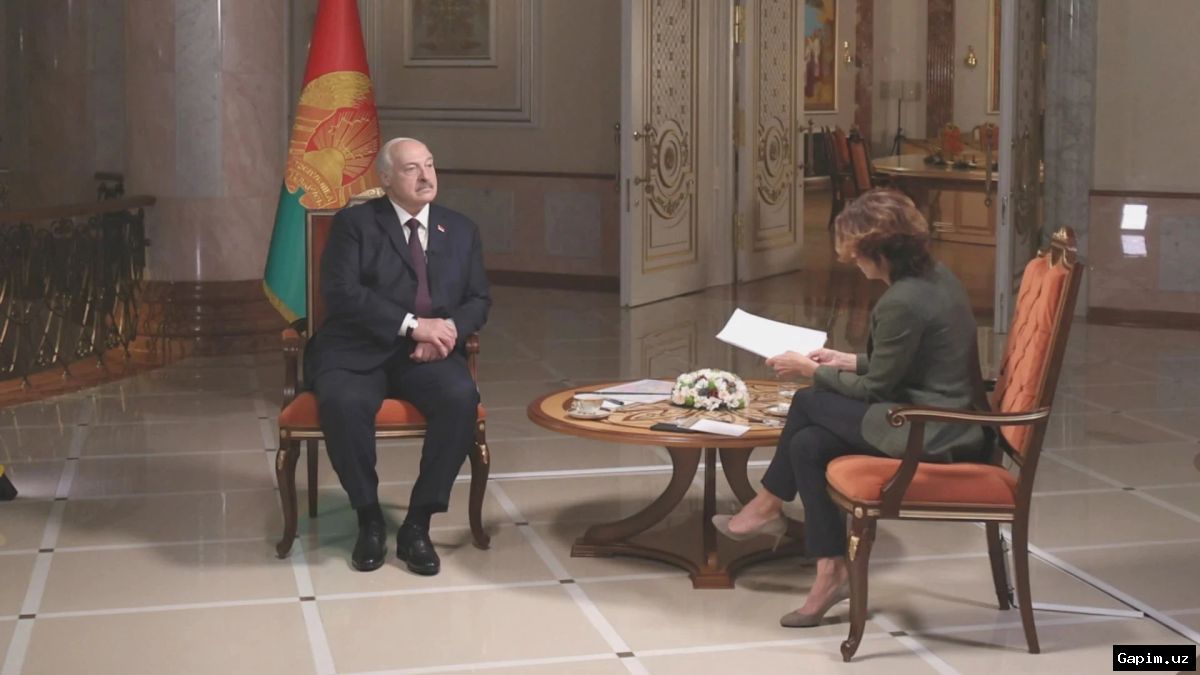
Key Takeaways: Lukashenko cast doubt on assertions that Ukrainian territories historically belonged to Russia; he said Putin has never denied the Ukrainian people or the Ukrainian state; and he argued that the late-December 2025 attack on Putin's Valdai residence derailed agreements on a ceasefire and the creation of a demilitarized zone.
Context and historical background
According to Lukashenko, Putin “has never denied the Ukrainian people or the Ukrainian state,” yet the Belarusian leader criticized Ukrainians for electing an “inexperienced person” as president and Europe for failing to end the war in Ukraine. In his view, historical claims are more complicated than presented: while some lands were Russian at certain periods, Russian lands themselves once belonged to Mongols and Tatars. “To say today that these lands have always been Russian... yes, at some point they were Russian. But if we look deeper into the past, Russian lands once belonged to Mongols and Tatars, do you remember? So, should all of Russia be returned to Mongolia? Putin understands this very well,” Lukashenko said. These remarks challenge attempts to explain the war through a single historical narrative and suggest that territorial arguments require a more cautious reading of the past.
Outlook and next steps
Lukashenko also emphasized that the attack on Putin's Valdai residence at the end of December 2025 ruined agreements on halting fire in Ukraine and establishing a demilitarized zone. On that assessment, the incident dealt a serious blow to diplomatic efforts, leaving the next steps toward a ceasefire and the restoration of trust between the parties uncertain.
Source: kun.uz