Researchers at the Liverpool School of Tropical Medicine have identified a previously unknown species of Treponema bacteria in the mouths of children suffering from noma, a devastating disease that destroys facial tissues and is fatal in 90% of untreated cases. The discovery, described as 'astonishing', may pave the way for better prevention, diagnosis, and treatment.
Noma, often called the 'face of poverty', primarily affects malnourished young children in impoverished regions, with most cases reported in the Sahel region of Africa. Survivors face lifelong scarring and social stigma. Current data is patchy, but experts estimate tens of thousands of cases annually.
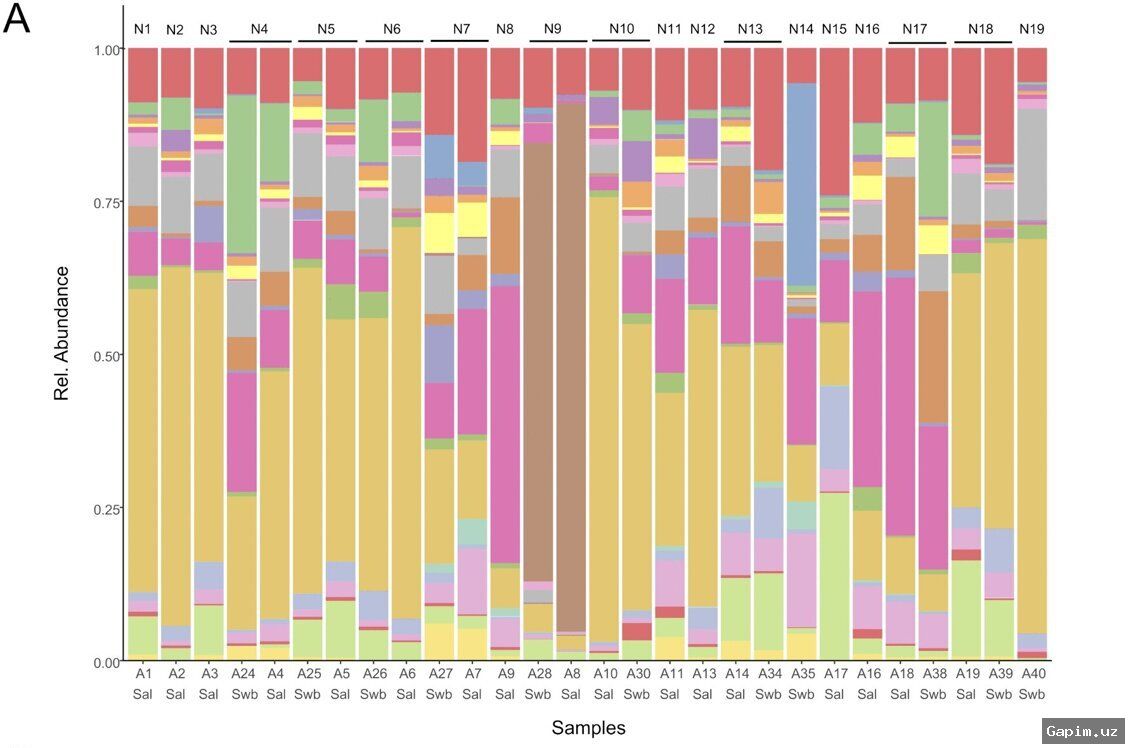
The study analyzed samples from 19 children in Nigeria using advanced genetic techniques. Results showed a disrupted microbial community with reduced healthy bacteria and overgrowth of other strains. Further analysis revealed the new Treponema species, tentatively named Treponema A, in most noma samples.
Professor Adam Roberts, senior author, expressed astonishment at the finding but stressed that causality remains unproven. 'We don't know if it can colonise a noma wound because of the architecture and the environment, or if it causes the noma wound,' he said. Larger studies are planned to clarify this.
If Treponema A is confirmed as a causative agent, a simple test for children with gingivitis could enable prophylactic antibiotic treatment, preventing progression to the necrotising stage. Currently, diagnosis relies on clinical symptoms like foul odor and tissue destruction.
The use of broad-spectrum antibiotics for noma raises concerns about antimicrobial resistance. A targeted therapy against Treponema A could mitigate this risk. Additionally, the observed drop in healthy bacteria suggests potential for probiotic preventive interventions.
The research, published in PLOS Neglected Tropical Diseases, involved collaboration with the University of Liverpool, Médecins Sans Frontières, and the Noma Children's Hospital in Sokoto, Nigeria. External experts called it a valuable first step in understanding a 'currently mysterious condition'.
Source: www.theguardian.com