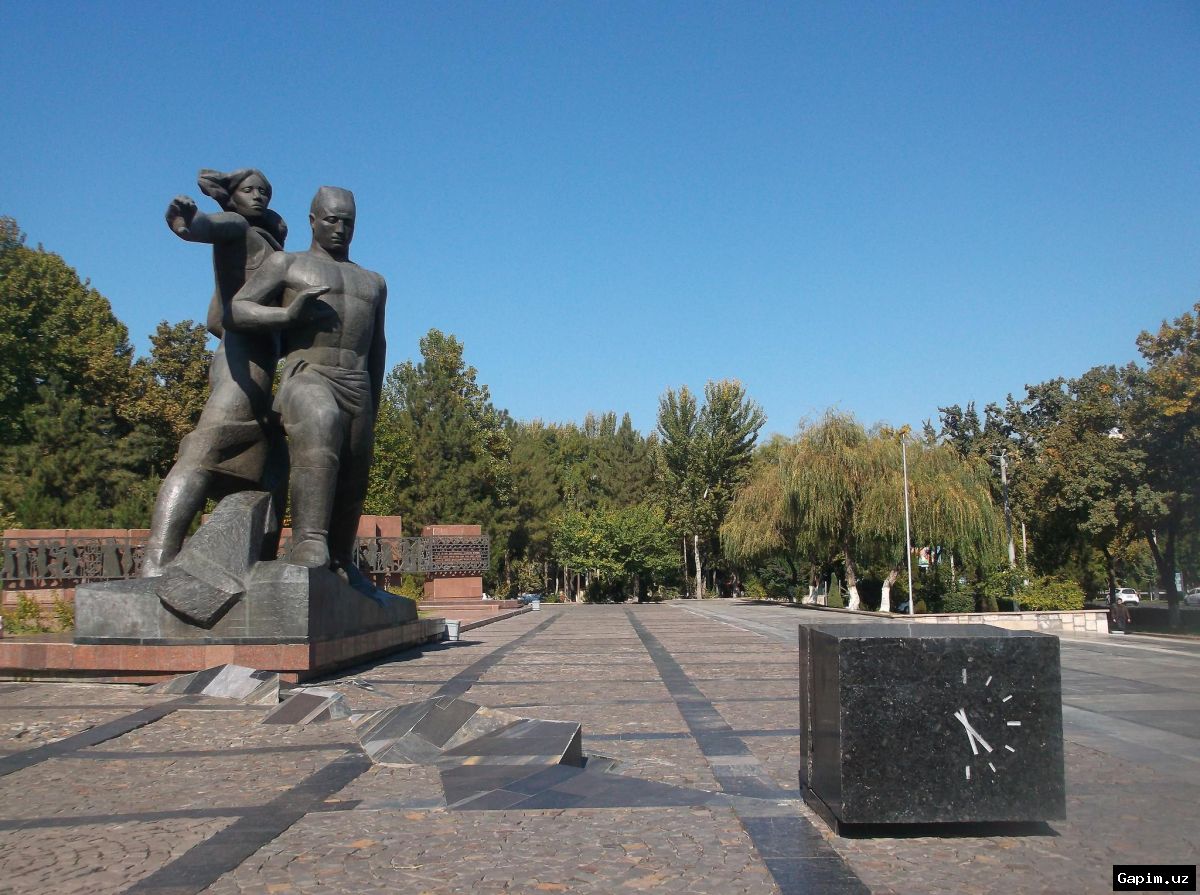
On April 26, 1966, at 5:23 a.m., a powerful earthquake struck Tashkent, Uzbekistan. With a magnitude of 5.2 and intensity reaching 8-9 at the epicenter, the disaster divided the city's history into "before" and "after."
Chulpan Kadyrova recalls: "My mother grabbed me, my father took my sister, it was dawn and cold. We lived on the first floor, so we quickly ran outside. Neighbors followed. A woman on the second floor broke her leg on the stairs. For several days, until the ground calmed, we lived outside."
The quake's hypocenter was only 3-8 km deep, and the vertical shock helped minimize casualties. Officially, 8 people died, but over 300,000 were left homeless – one-third of the city's population at the time.
Water and electricity remained operational, preventing epidemics. Thousands of builders and specialists arrived from across the Soviet Union. By 1968, Tashkent was almost completely rebuilt.
Sixty years later, this event reminds us of human resilience. Earthquakes are tests: Chile 1960 (9.5 magnitude), San Francisco 1906 (80% destruction), Japan 2011 (Fukushima disaster). Each teaches humanity to prepare and unite.
Source: podrobno.uz