In Sokoto state, northwestern Nigeria, the Women Centre for Continuing Education (WCCE), founded in 1997, offers adult education and vocational training to women. Habiba Abubakar, a 28-year-old mother of four, returned to school after a 13-year hiatus following her divorce.
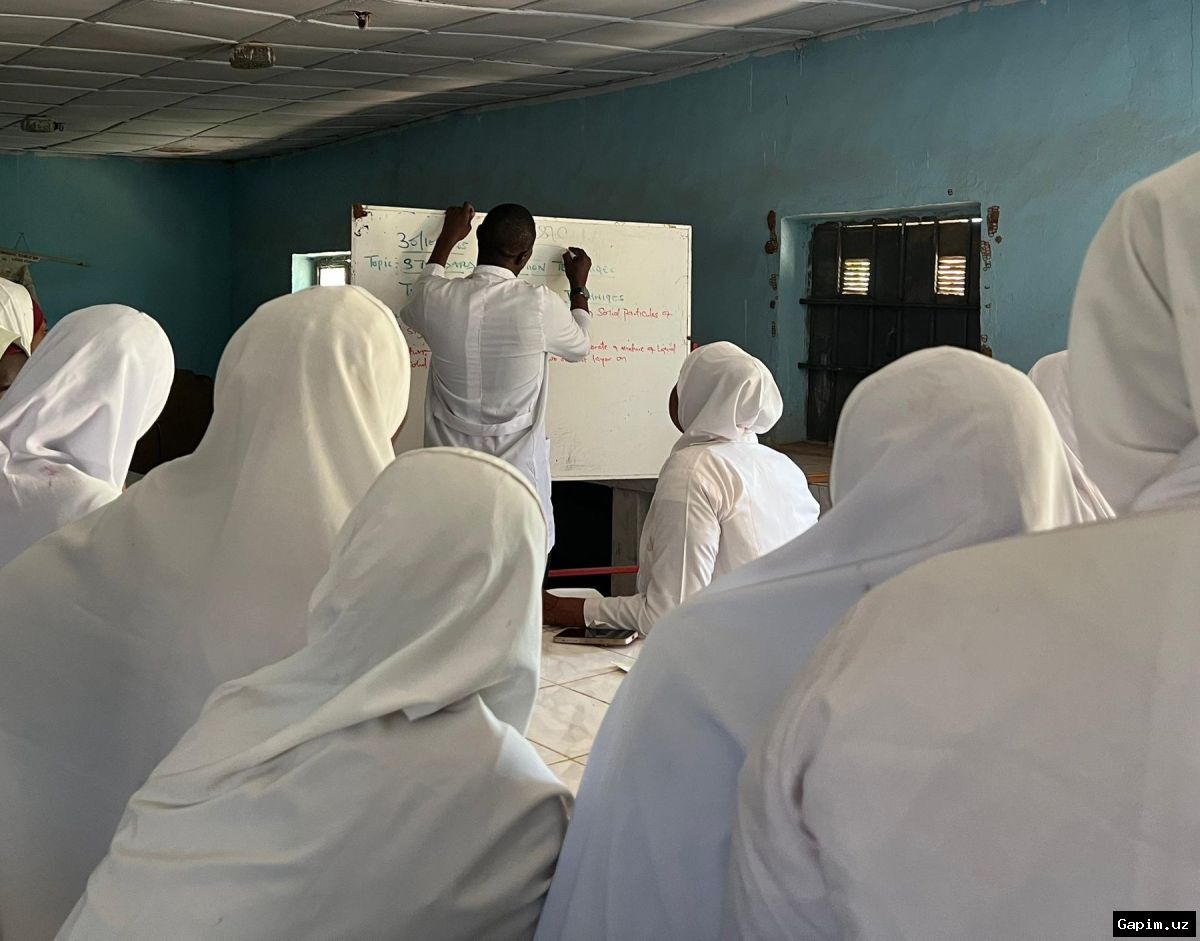
Abubakar said she felt ashamed when she couldn't help her seven-year-old son Muhammad with homework. Her desire to learn English motivated her to re-enroll. Now, she assists all her children with their assignments.
In northern Nigeria, girls often drop out due to early marriage, poverty, and gender-biased decisions. UNICEF reports that over half of girls in the region are not attending school.
WCCE provides free tuition, but students still bear costs for transport, books, and daily expenses. Some students, like Hafsat Aliyu, leave her two-year-old with in-laws to attend classes and sell pastries during breaks to cover transport.
Physics teacher Nuraddeen Ladan Dogon Daji noted that the pace of learning is a recurring challenge. However, some students excel, with one recently winning a state-level quiz competition.
Jennifer Agbaji, executive director of Basileia Vulnerable Persons Rights Initiative (BVPRI), emphasized that second-chance education should not be limited to classroom learning. She called for a lifelong learning framework, digital platforms, and flexible pathways for women.
Source: www.aljazeera.com